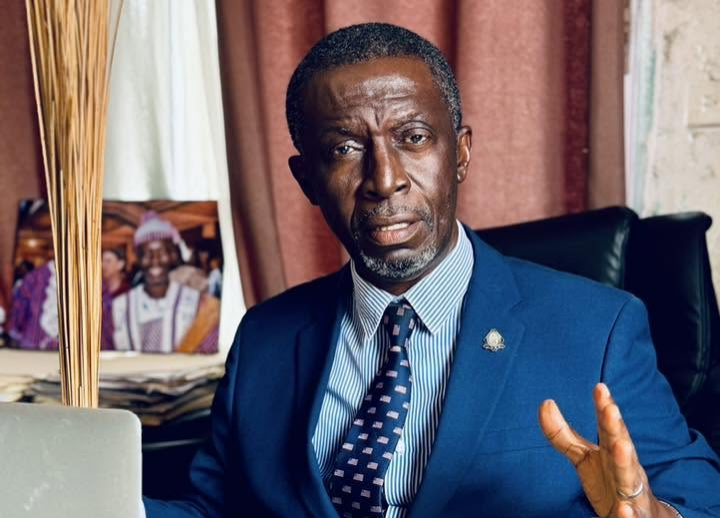
MONROVIA: A fresh declaration by Cllr. Garrison Yealue has reignited Nimba’s long-running debate over traditional authority and political influence, placing Senator Samuel Kogar at the center of the county’s “Godfather” controversy.
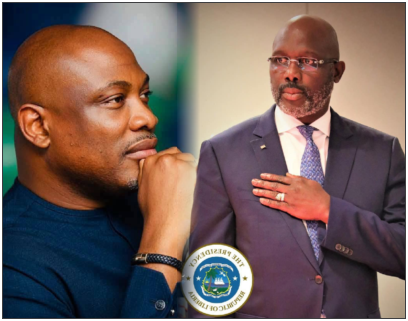
Cllr. Garrison Yealue has intensified the unfolding contest over political and traditional influence in Nimba County, declaring Senator Samuel G. Kogar the county’s “Godfather” and challenging claims that the title belongs to Vice President Jeremiah Kpan Koung.
Appearing recently on Voice of Liberia’s flagship program, Good Morning Liberia, Yealue said, Nimba elders reached the decision on January 17, 2025, during deliberations over the county’s traditional leadership structure.
According to Yealue, the elders resolved that Kogar should carry the designation “Godfather of Nimba,” a title he said, should not be attributed to Vice President Koung.
The declaration injects fresh political and cultural significance into an increasingly visible debate over who commands traditional respect, political influence and symbolic authority in one of Liberia’s most politically consequential counties.
‘Kogar Is the Godfather’. Yealue was emphatic in presenting the elders’ reported decision, insisting that the title of “Godfather” is distinct from political office and should be understood within Nimba’s traditional context.
He argued that the designation is rooted in Dan traditional practices and customary interpretations surrounding succession, authority and the passing of leadership from one generation to another.
Yealue referenced a traditional principle under which an individual who “leaps over the body” of a chief or warrior, is understood to inherit the title or position associated with that authority.
Using that interpretation, he maintained that Kogar’s claim to the designation derives from Nimba’s traditional understanding of authority rather than from contemporary electoral politics.
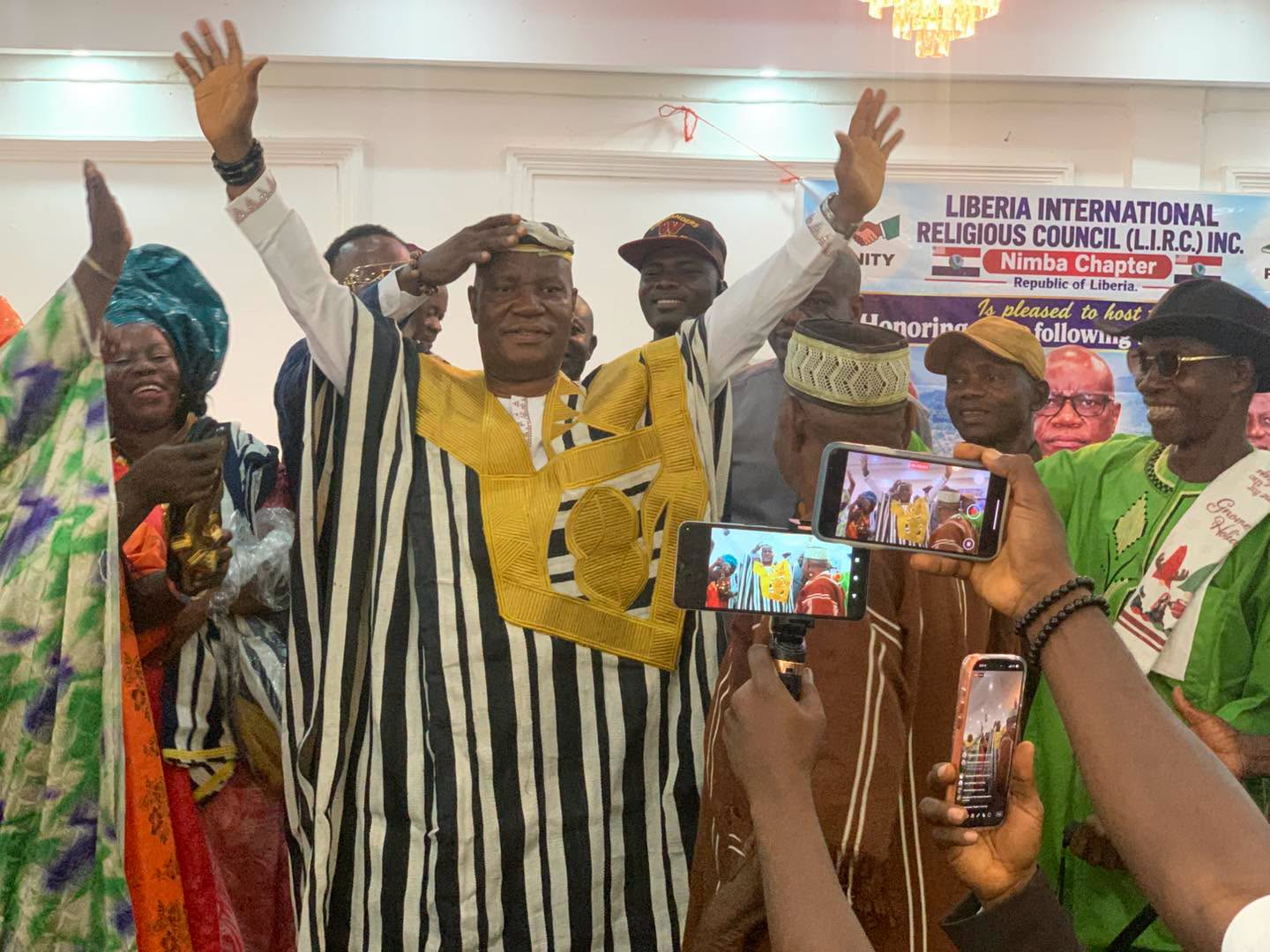
Residents reaffirm Kogar’s position. Yealue’s declaration comes amid renewed expressions of support for Kogar’s “Godfather” status from residents and community voices in Nimba, adding another layer to an already sensitive conversation about the county’s political hierarchy.
The renewed assertions have brought the issue back into public discussion at a time when the political relationship between Kogar and Vice President Koung remains a subject of intense interest in Nimba.
Kogar, a former representative, now senator, is a prominent political figure from the county and maintains a strong public presence in Nimba politics, while Koung, who previously represented the county in the Senate, now serves as Vice President of Liberia.
The competing claims, however, should not be interpreted as establishing an official hierarchy between the two men.
Rather, they reflect a broader contest over how traditional legitimacy and political influence are understood and recognized within Nimba.
‘Nimba belongs to no one’. Despite his strong defense of Kogar’s title, Yealue cautioned against interpreting the “Godfather” designation as ownership of the county.
He stressed that Nimba County belongs to no individual, emphasizing that traditional recognition should not be confused with political ownership or exclusive control over the county’s people and institutions.
His distinction is significant because, Nimba’s political identity has historically been shaped by powerful traditional authorities, elected officials, community leaders and influential political actors whose roles sometimes overlap.
The debate over the “Godfather” title therefore extends beyond personalities. It raises questions about how customary authority interacts with electoral legitimacy, modern state institutions and the political expectations of Nimba’s citizens.
Tradition meets political power. The controversy also highlights a recurring feature of Liberian politics: the intersection of customary authority and contemporary political power.
In Nimba, where traditional institutions remain influential in community affairs, titles associated with chiefs, elders, warriors and other traditional authorities can carry substantial social and political meaning.
At the same time, elected and appointed officials derive their legitimacy from constitutional and statutory institutions.
The emerging dispute over the “Godfather” designation therefore sits at the intersection of two distinct systems of authority—customary legitimacy and constitutional political power. Yealue’s intervention has brought that tension sharply into public view.
A new chapter in Nimba’s power debate. By publicly attributing the January 17, 2025 decision to Nimba elders, Yealue has given fresh momentum to the argument that Kogar occupies a distinctive position within the county’s traditional political landscape.
But the extent to which the reported elders’ decision represents a universally accepted position across Nimba remains a matter of public debate.
What is beyond dispute is that the “Godfather of Nimba” designation has become a potent symbol in the county’s ongoing conversation about leadership, influence and political identity.
For now, Yealue’s declaration has reopened a question that extends well beyond a title: Who speaks with traditional authority in Nimba—and how should that authority coexist with elected political power?
That question is likely to remain at the center of Nimba’s political discourse as competing interpretations of tradition, leadership and influence continue to shape the county’s public conversation.

Towards Economic Empowerment And Reconciliation