MONROVIA: As ordinary Liberians struggle with rising living costs and limited incomes, the appearance of identical brand-new SUVs among lawmakers has triggered questions about their source, financing and purpose.
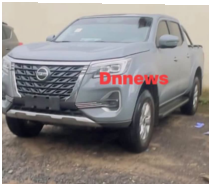
Several members of the House of Representatives using identical gray and white DFSK Glory 500 SUVs, has prompted questions about whether the vehicles were officially procured, privately provided or acquired through another arrangement.
The development comes at a time when the country is grappling with economic pressures, making the sudden appearance of multiple new vehicles among elected lawmakers particularly sensitive.
The central question being raised is straightforward: Who provided the vehicles, who paid for them, and under what authority were they distributed to lawmakers?
The House’s Chairman on Rules, Order and Administration, Representative James Kolleh, told reporters that he was unaware of any official procurement of pickups or SUVs for members of the House.
Kolleh is quoted as saying, the Legislature had not, to his knowledge, undertaken any procurement process for such vehicles for lawmakers.
His statement raises further questions because the vehicles appear similar in make and design, with most reportedly gray and a smaller number white.
Information available places the estimated value of a DFSK Glory 500 at between US$15,000 and US$20,000, although the actual purchase price, financing arrangement and ownership of the vehicles have not been independently established.
Sources familiar with the development, however, allege that some of the vehicles were provided through Deputy Speaker Thomas P. Fallah and his National Independent Movement for Boakai, or NIMBO, a political movement aligned with President Joseph Boakai, Fallah is yet to respond to this latest information.
That allegation has not been independently verified, and there is no publicly established evidence showing that NIMBO purchased or distributed the vehicles.
The claim, has nevertheless, intensified political questions surrounding the vehicles, particularly, because Fallah has emerged as a prominent political ally of President Boakai and has openly positioned NIMBO as a force within the governing alliance ahead of the 2029 elections.
Recent reports indicate Fallah has called for NIMBO to be treated as a full partner within the governing coalition and has emphasized the movement’s political strength.
The timing has also fueled speculation about internal political maneuvering within the House.
Sources allege that the vehicles could be part of an effort to strengthen Fallah’s political influence among lawmakers and build support for a possible challenge to Speaker Richard Nagbe Koon.
That allegation remains unproven, however. The speculation comes against the backdrop of previous tensions between Koon and Fallah.
In June, Fallah publicly apologized and retracted remarks concerning the Speaker after lawmakers raised concerns about statements he made during a radio appearance.
Fallah’s growing political influence has also been the subject of public debate. In January, Nimba County Representative Musa Hassan Bility publicly claimed that Fallah had become unusually influential within the administration and House leadership, a characterization Fallah did not establish as fact.
More recently, Fallah publicly asserted NIMBO’s political strength at a September strategic retreat of the Unity Party legislative caucus and allied movements, saying, the movement could register as a political party if it chooses.
Against that political background, the sudden appearance of identical vehicles has naturally attracted heightened attention.
But the most important issue is not political speculation. It is accountability for public officials and transparency over assets provided to lawmakers.
If the vehicles were privately donated, lawmakers and their political sponsors should be able to identify the donors and explain the terms under which the vehicles were provided.
If they were purchased with public funds, the procurement process, appropriation, contract, supplier and beneficiaries should be disclosed.
If they were provided by a political organization or private individuals, questions of disclosure, conflicts of interest and applicable legal restrictions may also arise.
House Director of Press and Public Affairs, Robert Hynes was unavailable to comment on the matter at the time.
Chairman Kolleh, however, offered a clear response, saying, he had no knowledge of any distribution of vehicles to lawmakers and that no pickups had been procured for members of the House.
That denial makes the mystery surrounding the vehicles even more pronounced. If the House did not procure them, where did they come from? If public money was not used, who financed them? If they were privately provided, who are the beneficiaries and what was the basis for the arrangement? And if the vehicles are connected to a political organization, what safeguards are in place to ensure that legislative independence is not compromised?
These questions deserve answers before speculation hardens into accusation. The issue is particularly sensitive because, lawmakers exercise constitutional authority over public finances, legislation and oversight of the Executive Branch.
The public, therefore, has a legitimate interest in knowing whether valuable assets provided to elected officials are gifts, campaign-related resources, personal purchases or government property.
For many Liberians facing economic hardship, the sight of lawmakers receiving or using new vehicles without a clear public explanation, risks creating a perception of a widening gap between political leaders and the citizens they represent.
The issue is therefore bigger than the vehicles themselves. It is about where they came from, who paid for them, why they were provided and whether the process complied with Liberia’s procurement, ethics and financial-disclosure requirements.
Until those questions are answered, the identical SUVs at the Capitol will continue to raise one uncomfortable question across the country: While ordinary Liberians are being asked to endure economic hardship, who is paying for the lawmakers’ new vehicles—and why?
Towards Economic Empowerment And Reconciliation