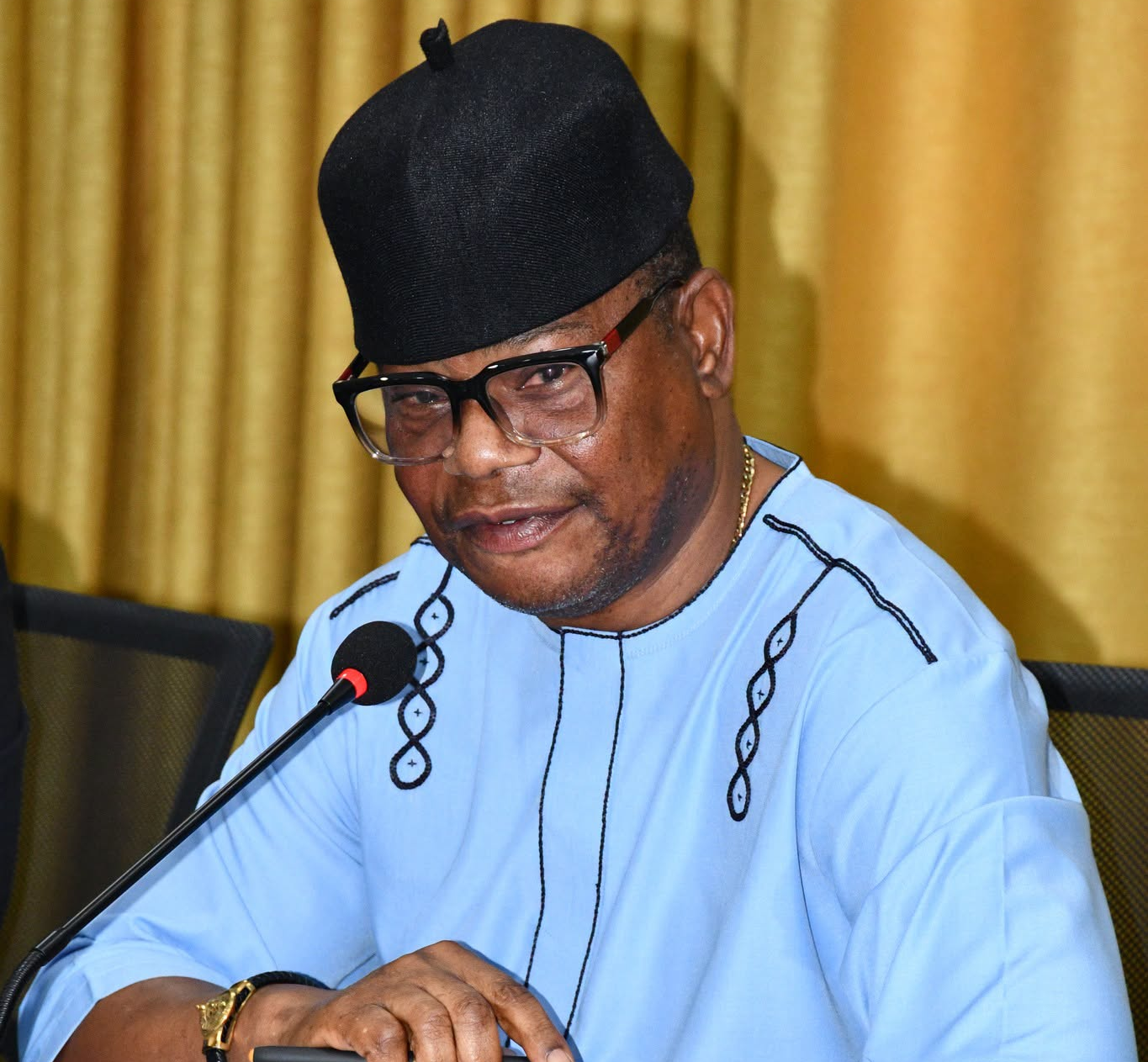
NEW YORK: Liberia has intensified its drive to attract strategic international capital, with Mines and Energy Minister, R. Matenokay Tingban presenting the country’s mineral wealth, energy potential and infrastructure opportunities to investors in New York.
The presentation was made on September 21, 2026, at a high-level Liberia Investment Roundtable organized by the National Investment Commission (NIC) in collaboration with the Office of the Senior Political Advisor to the President, MacDella M. Cooper.
Held on the margins of the 2026 United Nations General Assembly, the roundtable brought together senior Liberian officials, international investors, financial institutions and private-sector leaders to examine investment opportunities and the government’s reform agenda.
The engagement formed part of Liberia’s broader effort to convert its natural-resource potential and emerging economic sectors into investment, jobs, infrastructure and sustainable growth.
Mining: From potential to investment. Representing the Ministry of Mines and Energy, Minister Tingban made a detailed case for investment in Liberia’s mining sector, emphasizing the country’s significant but largely under-explored mineral potential.
He said, Liberia’s natural resources should serve as a foundation for economic transformation through responsible investment, employment creation, infrastructure development, value addition, technology transfer and broader participation in the economy.
Tingban identified opportunities across critical and industrial minerals, base metals, rare earth and other critical elements, bauxite and heavy coastal mineral sands.
He also highlighted opportunities for investors and technology companies to partner with Liberia in geological studies, resource development, mineral processing and beneficiation, infrastructure, technology transfer and workforce development.
A major component of his presentation was the government’s effort to improve geological and scientific data needed to reduce investment risks and support informed decision-making.
The minister said, the ministry is engaging institutions with advanced technologies to conduct geological and geophysical studies, define mineral resources and generate reliable data that can guide exploration and investment.
The strategy, he emphasized, is intended to move Liberia beyond the mere extraction of raw minerals toward greater domestic value addition and participation in mineral supply chains.
Power as industrial catalyst. Tingban also linked Liberia’s energy agenda directly to industrialization, arguing that reliable electricity is essential to unlocking investment across mining, manufacturing, agriculture, technology and other productive sectors.
He highlighted the need for additional generation, transmission and distribution capacity while outlining opportunities for private-sector participation in power generation and grid infrastructure.
According to the minister, Liberia is pursuing increased electricity access, with a target of reaching 75 percent by 2030.
For potential investors, the expansion of the power system represents both a development priority and an investment opportunity, particularly as Liberia seeks to attract energy-intensive industries and expand productive capacity.
Rail infrastructure opens new window. Another major investment opportunity presented was the development of a multi-user rail system to support mining and other productive sectors.
Tingban said, the government has established the National Rail Authority and is working toward broader and more equitable access to rail infrastructure.
A functional multi-user rail network, he explained, could reduce infrastructure constraints facing mining operations while supporting the movement of agricultural products, industrial goods and other commodities.
The government sees rail development as part of a wider infrastructure strategy involving roads, ports, energy and logistics.
Investors seek clarity. The Liberian delegation faced questions on electricity availability, geological and geospatial information, public-private partnerships, rail access, telecommunications, capital-market development and financial inclusion.
In response, senior government officials outlined ongoing reforms and expressed readiness to facilitate direct engagement between prospective investors and relevant Liberian institutions.
The discussions also examined complementary sectors necessary to support large-scale investment, including roads, ports, agriculture, access to finance, capital markets, telecommunications and digital infrastructure.
Land access and community engagement also featured in discussions, particularly in relation to responsible agricultural and industrial investments.
Green economy gains momentum. Liberia’s emerging green economy also featured prominently at the roundtable.
Jeanine M. Cooper, CEO and Special Envoy for Climate Action and Carbon Trading, presented opportunities in carbon markets, renewable energy, forest conservation, reforestation, biodiesel production and other environmentally sustainable investments.
She highlighted efforts to establish a nationally integrated carbon program, national carbon registry, digital architecture and systems for project crediting and verification.
Cooper also outlined plans for a Green Carbon Investment Fund and Liberia’s preparations for a potential green bond, positioning climate finance as another avenue for mobilizing international capital.
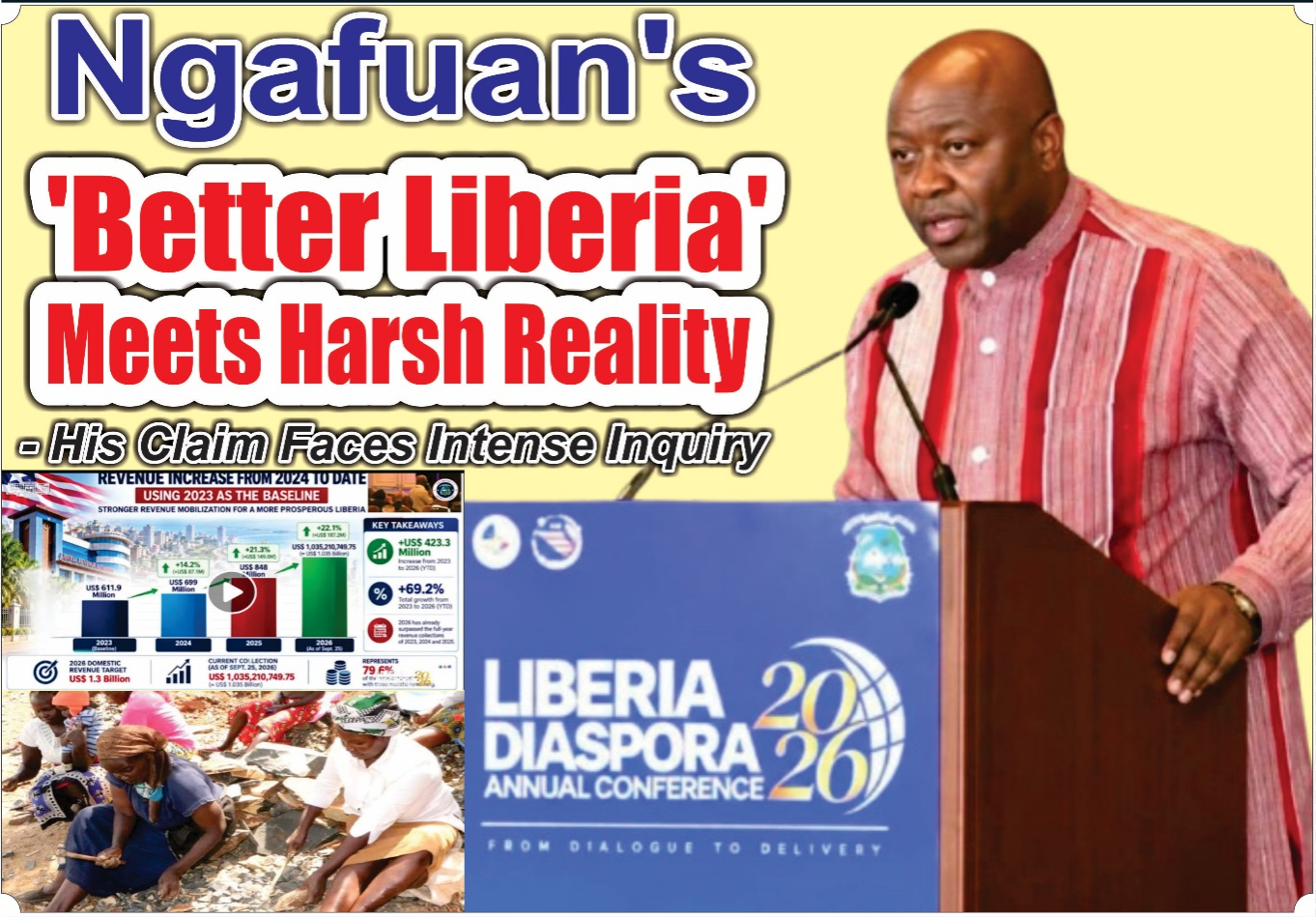
Capital market, digital economy. Finance and Development Planning Minister, Augustine Kpehe Ngafuan highlighted Liberia’s efforts to establish a functional securities market through implementation of the Securities Market Act, strengthened regulation, investor protection and disclosure requirements.
Preliminary discussions indicated that Liberia could pursue a green bond in early to mid-2027, potentially targeting between US$100 million and US$150 million, with a blue bond also under consideration.
Posts and Telecommunications Minister, Sekou M. Kromah, meanwhile, presented opportunities in Liberia’s digital economy.
He emphasized the need for a national data center, stronger data security and telecommunications infrastructure, while highlighting opportunities emerging from Liberia’s cybersecurity, data protection, e-government and data-governance frameworks.
From pitch to projects. The New York engagement now presents the government with the task of converting investor interest into concrete projects, partnerships and financing arrangements.
Potential investment areas include geological exploration, mineral development and processing, electricity generation and grid infrastructure, multi-user rail, agriculture and agro-processing, green and carbon finance, capital markets, telecommunications and digital infrastructure.
For the Ministry of Mines and Energy, the engagement provides an opportunity to deepen partnerships that could accelerate geological exploration, responsible mineral development, energy expansion and domestic value addition.
More broadly, the government hopes the investment roundtable will strengthen connections between international investors and Liberian institutions, facilitate project identification and due diligence, and advance discussions around investment structuring and public-private partnerships.
Closing the engagement, Minister Tingban reaffirmed Liberia’s readiness to work with credible investors and strategic partners, urging participants to move beyond discussions toward concrete investments and measurable development outcomes.
For Liberia, the challenge now extends beyond presenting its natural resources and investment potential abroad. The test will be whether the interest generated in New York translates into capital on the ground, projects in communities, jobs for Liberians, stronger infrastructure and greater value from the country’s natural resources.

Towards Economic Empowerment And Reconciliation