By: Barclay Karnley Jr
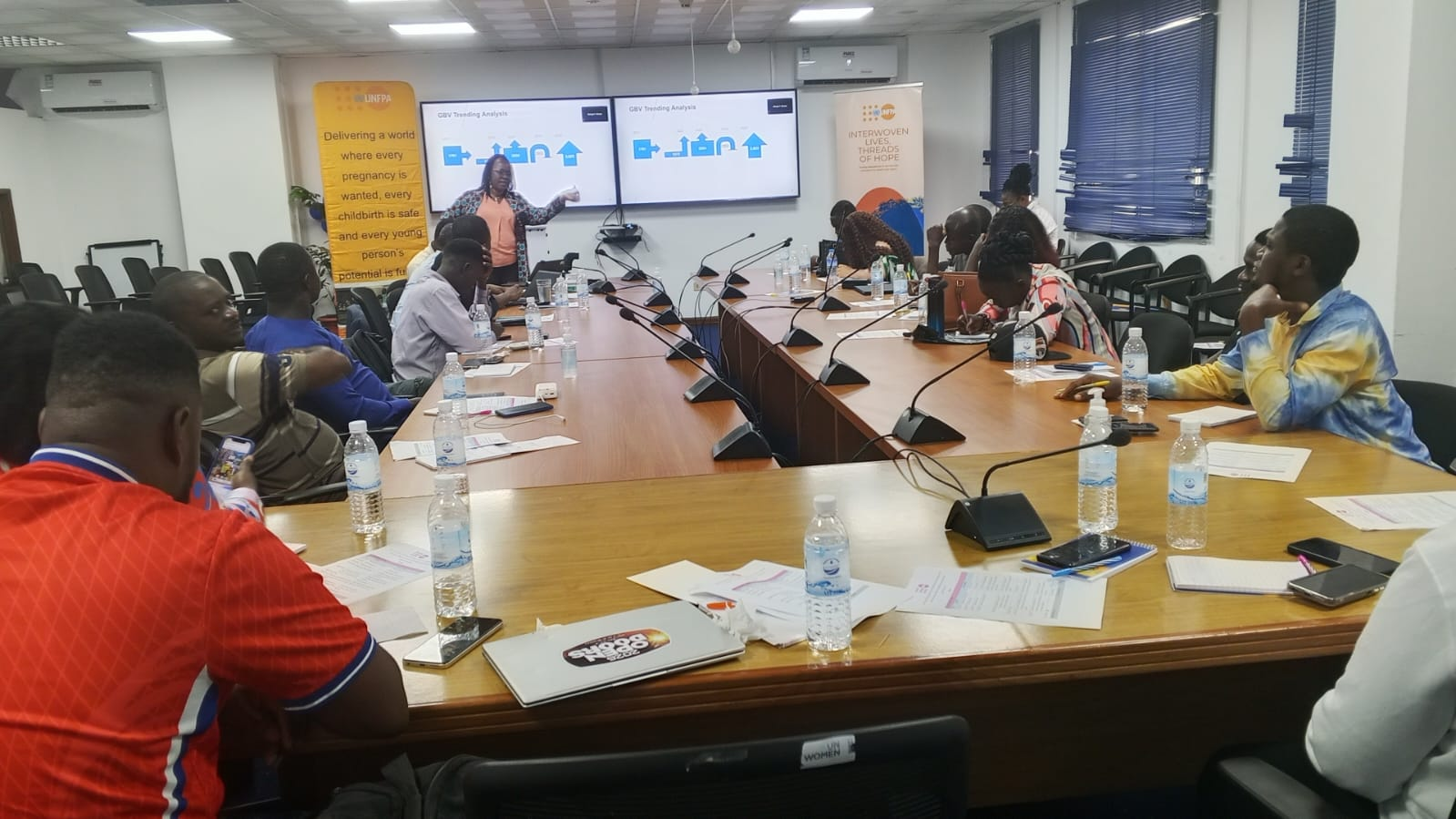
MONROVIA: The United Nations Population Fund (UNFPA) on Wednesday, August 19, 2026, began a two-day media training workshop aimed at strengthening the capacity of Liberian journalists to report accurately and sensitively on Sexual and Reproductive Health and Rights (SRHR).
The training brought together journalists from the print, electronic, and online media platforms across the country, with sessions focused on improving the quality, accuracy, and ethical framing of SRHR reporting in Liberia.
Facilitators covered a range of topics, including introduction to the ICPD programme of action and an overview of UNFPA's mandate, overview of UNFPA Work on addressing Gender-Based violence and Harmful practices and UNFPA Work on sexual and Reproductive health and rights.
Other topics covered include, UNFPA Work on youth leadership, participation and empowerment, UNFPA work on Demographic change: Data and evidence, key legal reforms to advance SRHR in Liberia and understanding the role of civil society in promoting SRHR and Gender equality among several other topics.
Journalists and media practitioners also took part in practical sessions on developing evidence-based, rights-respecting news stories, as well as guidance on interviewing survivors and vulnerable sources with dignity and care.
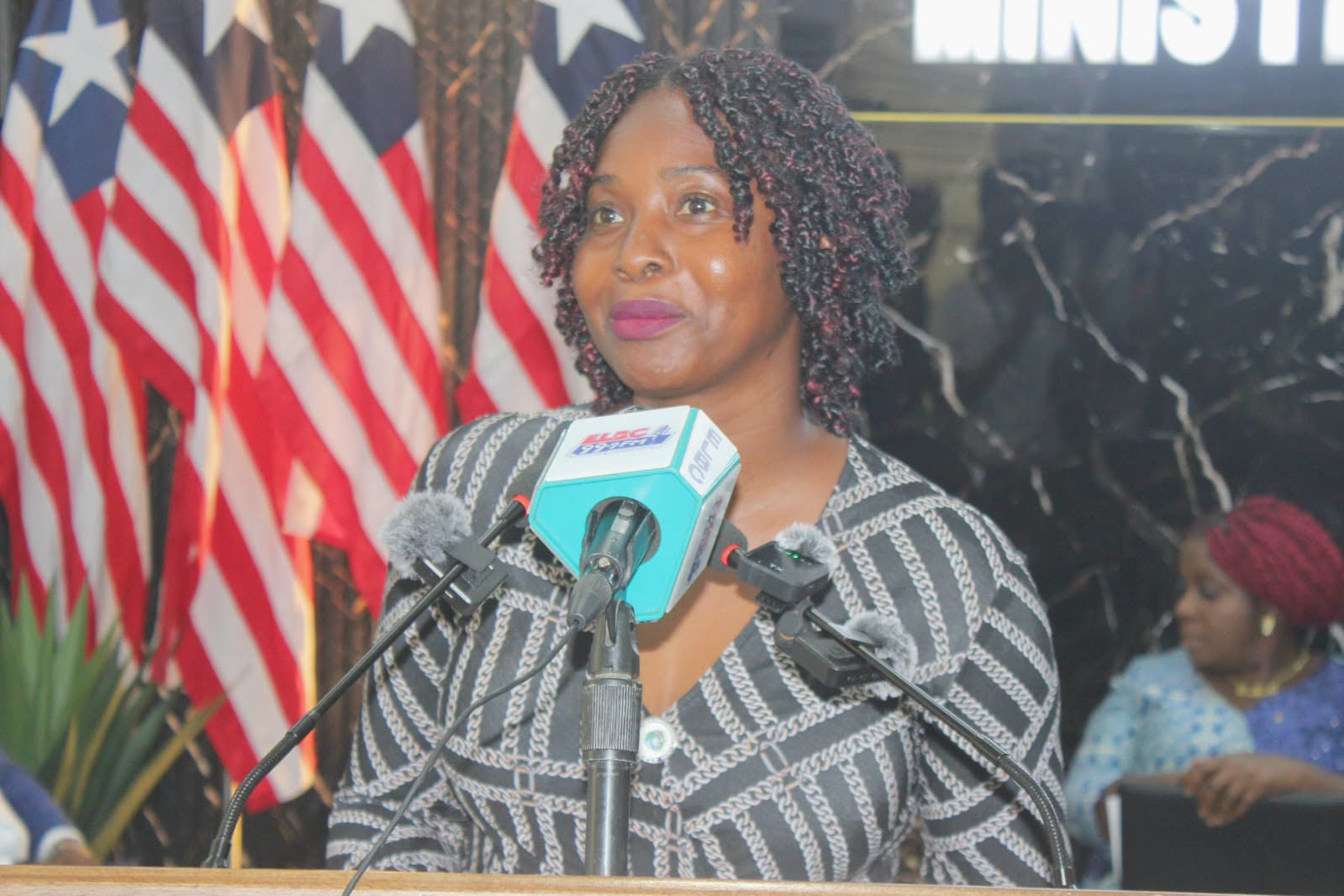
Speaking at the opening of the training, a UNFPA Policy and Strategic Partnership Specialist Charles Lawrence emphasized that journalists serve as a critical bridge between health institutions and the public, noting that accurate and empathetic reporting can shape public understanding, reduce stigma, and influence policy conversations around reproductive health.
Journalists attending the training are encouraged to move beyond episodic coverage of SRHR issues and instead pursue sustained, solutions-oriented journalism that highlights both the challenges and the progress being made in expanding access to reproductive health services across Liberia's counties.
The training also addressed the unique challenges facing rural and underserved communities, where access to accurate reproductive health information remains limited, and discussed strategies for journalists to responsibly report on sensitive issues such as teenage pregnancy, child marriage, and maternal mortality.
At the close of the workshop, participants are expected to apply the skills gained to their ongoing coverage, with UNFPA officials expressing hope that the training would translate into more informed, consistent, and impactful SRHR reporting across Liberian media in the months ahead.
UNFPA continues to work with media associations and health partners in Liberia to build long-term journalistic capacity on reproductive health issues, as part of broader efforts to improve health outcomes and expand access to information nationwide.

Towards Economic Empowerment And Reconciliation