By: Barclay Karnley Jr
MONROVIA: The House of Representatives of Liberia’s bicameral Legislature has ordered a comprehensive review of salaries and benefits across government.
The move comes days after a rare public disclosure of a senior government’s official’s pay reignited anger over what is widely thought to be an enormous cost of running government in Liberia, a West African nation which is characterized as one of the poorest countries in the world.
The house move comes days after the Deputy Governor for Economic Affairs-designate, Madame Euphemia Sweh-Monmia revealed during her confirmation hearing at the Senate that she earns approximately US$9,000 in salary, in addition to other benefits.
The startling disclosure reportedly angered a host of lawmakers at the House of Representatives.
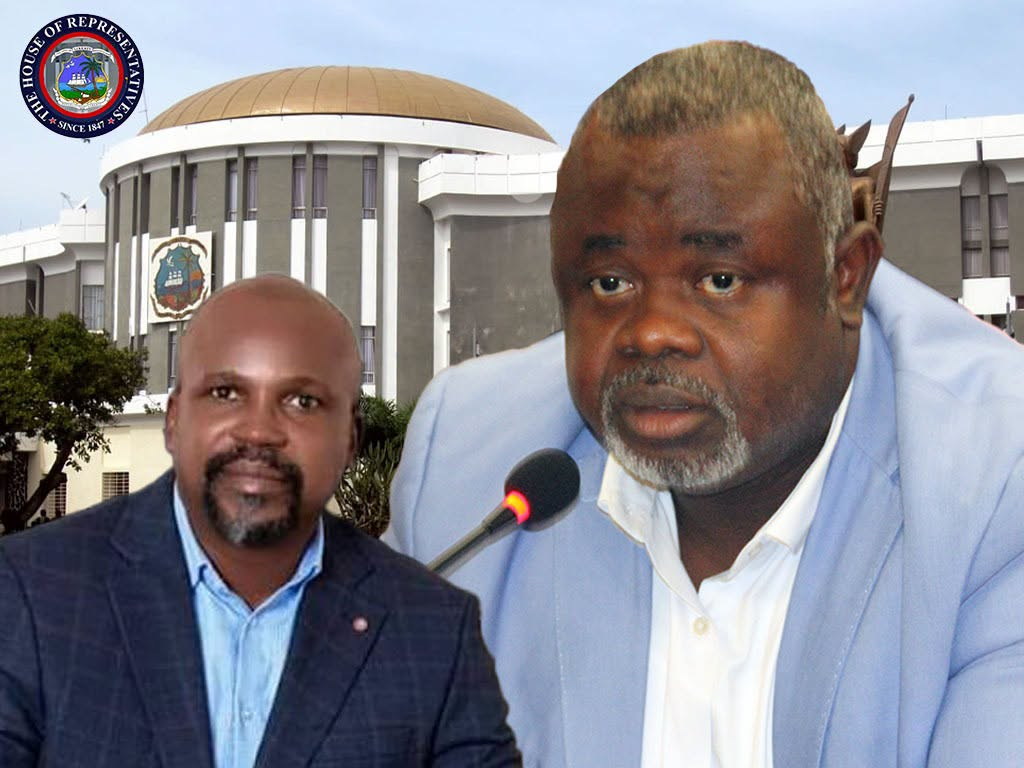
On Tuesday, Nimba County Representative, Musa Hassan Bility, and Montserrado County Representative, Sumo K. Mulbah, wrote two separate communications to the House Plenary, which is the highest decision-making body of the Lower House, calling for a full review of the salaries structure and benefits of all government officials.
According to the lawmakers, members of the Liberian Legislature spend considerable personal resources aimed at addressing the needs of their constituents and districts, yet often face criticism from citizens who believe they earn substantial salaries.
The lawmakers disclosed that Representatives receive salary not exceeding US$4,000, along with approximately $300,000 Liberian dollars.
The lawmakers, in their separate communications, noted that they do not receive many of the benefits stipulated for their positions.
They maintain that there is a dire need for transparency and equity in the compensation system across the three branches of the Liberian government which include the Legislature, Executive and the Judiciary.
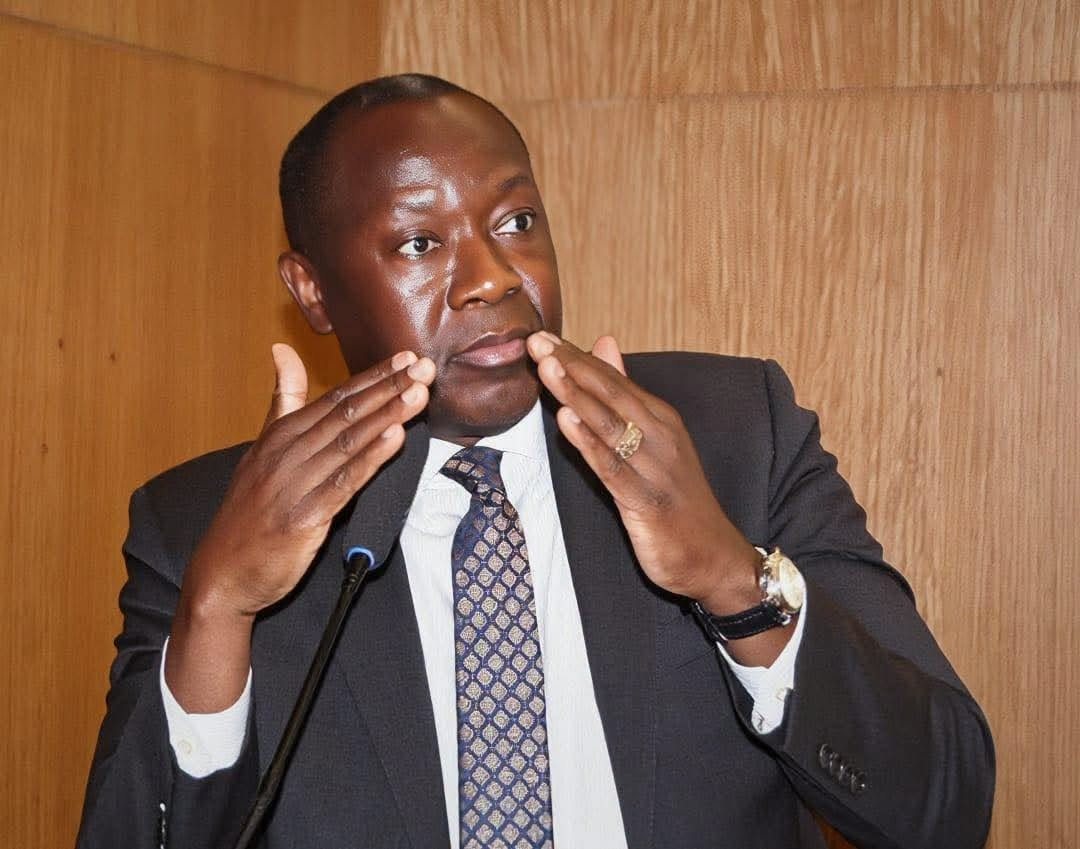
Amid such legislative calls, the Executive Director of the Center for Transparency and Accountability in Liberia (CENTAL), Anderson D. Miamen, sharply criticized the reported salary and benefits for the Deputy Governor of the Central Bank of Liberia (CBL).
Miamen described the salaries and benefits package as excessive, unfair and unacceptable in a country struggling with widespread poverty and limited public services.
He questioned reports that the CBL Deputy Governor receives a monthly salary of US$9,000 and a housing allowance of US$15,000, in addition to transportation and other benefits.
The CENTAL Executive Director argues that such expenditures represent a “serious misallocation of public resources.”
He, too strongly called on the legislature and executive branch to review and reverse laws and policies that provide what he described as “disproportionate financial benefits” to senior public officials at the expense of the vast majority of ordinary citizens.
"What economic sense does it make to give someone US$15,000 as housing allowance in their own country, when majority of such persons already have homes of their own? Add a salary of US$9,000, transportation and other benefits to such an astronomical amount," Miamen questioned.
The CENTAL boss said the reported compensation package raises serious concerns about government's spending priorities, particularly at a time when many Liberians face unemployment, inadequate healthcare, limited educational opportunities and other bitting economic difficulties.
"Tell me how this makes common sense, in a country with so many unemployed people, a huge number of out-of-school children, poorly functioning health and education systems and so much needs in other sectors," he added.
Miamen argued that allocating substantial financial benefits to a few senior officials while the vast majority of ordinary citizens struggle to meet basic needs undermines much-need public confidence in the management of national resources.
He described the arrangement as unjustifiable and called for immediate reforms to ensure greater fairness and accountability in public spending.
In a related development, several presidents of rural public universities across the country have alarmed on the growing salary inequality among public universities in Liberia.
The presidents highlighted the growing dissatisfactions among rural universities community.
The rural university presidents who appear before the senate committee of the whole told lawmakers that there is a need for urgent legislative intervention to promote equity, institutional stability, and inclusive national development.
They stressed that the available salary statistics revealed substantial inequalities across Liberia’s public and regional higher education institutions.
They argued that at the master's degree level, the Universities of Liberia pays US$1,850 compared to US$1,750 at Tubman University, US $1,200 at Sinoe University, US$800 at Nimba and Western Region Universities, US$750 at Lofa County University, US $650 at Bong County University, and US$500 at Margibi University.
According to them, the salary at the University of Liberia is 3.7 times that of Margibi County University and 2.47 times that of Lofa County University.
They further indicated that at a bachelor's degree level, salaries range from US$900 at Tubman University to US$450 at Sinoe and Western Region Universities, with other institutions paying between US$500 and US$650.
“This disparity undermines morals, encourages the migration of qualified lecturers towards better paying institutions, weakens teaching and research, and makes it difficult for rural universities to retain experienced academics,” they indicated.
In their petition statement to the Senate, they revealed that the resulting shortage of qualified professionals compromises educational quality, widens regional inequalities, and limits the supply of skilled professionals needed in rural counties.
They maintain that the continued neglect also wreaks escalating institutional unrest, disrupting academic calendars, and diminishing public confidence in Liberia's higher education system.
Accordingly, they argued that Rural universities are essential instruments of decentralization, social mobility, and balanced national development.
The university presidents maintained that rural universities bring higher education closer to underserved populations, reduce the financial and geographical barriers facing rural institutions and students, develop county-based professional capacity, and support research into local challenges in agriculture, health, education, natural resources, and enterprise development.
“Prioritizing these institutions directly advances the government's arrest agenda for inclusive development by promoting equitable access to education, human capital development, regional economic growth, opportunity for communities outside Monrovia. Investment in rural universities is therefore not a privilege for particular institutions,” they emphasized.
They further stressed that strengthening rural universities is a strategic national investment that reduces urban migrations, strengthen local economics, and ensure that development reaches every county.
In their statement, they stressed equal commitment to academic staff welfare, research funding, insurance, and infrastructure which are indispensable to achieving these objectives.
The Rural University Presidents unanimously recommended that the Senate should ask the Governments of Liberia to establish a transparent national salary and benefit framework for universities, introduce research allowances and academic performance incentives, provide life and medical insurance, and allocate dedicated funding for essential infrastructure.
The president further recommended that if fiscal constraints prevent immediate harmonization with the university of Liberia, Tubman University's salary structure should serve as the interim benchmark for standardizing rural university salaries, subject to a funded implementation plan and periodic review.
Furthermore, the rural university presidents requested the government to introduce a distant allowance for universities facing exceptional geographical disadvantages, specifically Lofa County University, Grand County University, and Sinoe County University.
At the same time, they are requesting the government to compensate for the additional costs and challenges associated with their distance from the nation’s capital, among many others.

Towards Economic Empowerment And Reconciliation