MONROVIA: With the 2026 fiscal year nearing its end, the House of Representatives has summoned Public Works Minister, Roland Giddings, to explain the status of US$1 million allocated for Greenville’s street rehabilitation.
The House of Representatives has demanded answers from Minister Giddings over the implementation of a US$1 million appropriation for street rehabilitation in Greenville City, Sinoe County, raising fresh questions about the government’s handling of development funds as the 2026 fiscal year approaches its end.
The invitation places the Ministry of Public Works under legislative scrutiny over whether the substantial allocation has translated into visible progress on the ground, as residents await improvements to streets critical to transportation, commerce, and everyday life in the southeastern coastal city.
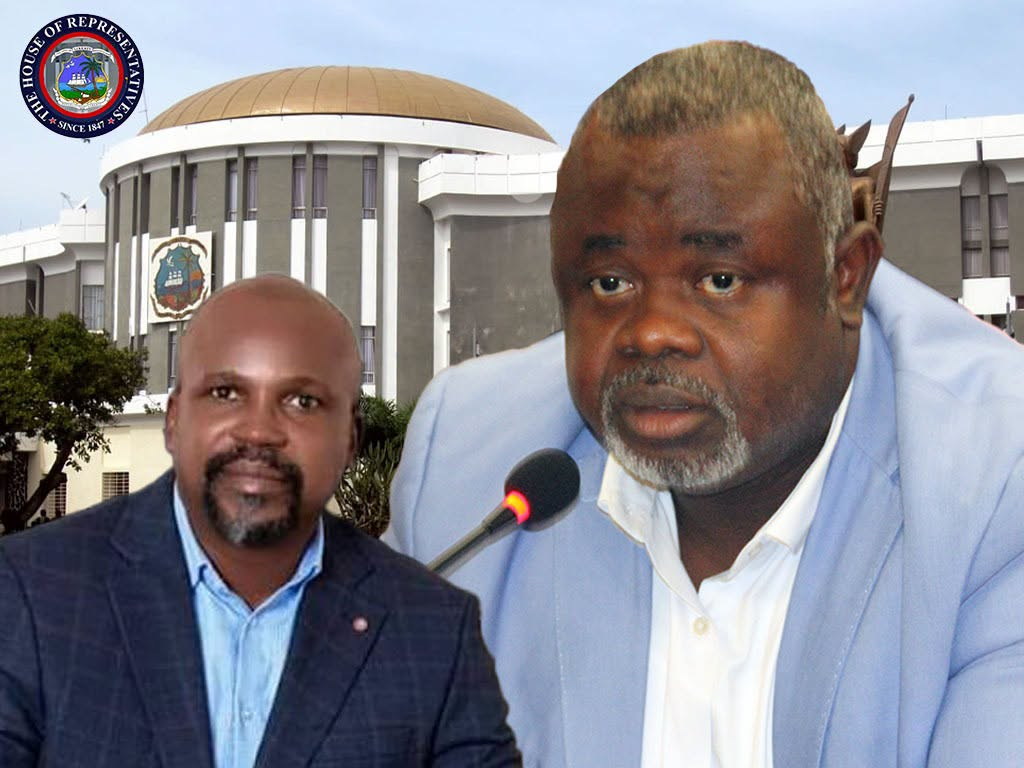
Lawmakers took the decision on Tuesday, October 27, 2026, during the fifth day’s sitting of the third quarter of the Third Session, following a communication from Sinoe County District Two Representative, Samson Quejue Wiah.
Representative Wiah informed Plenary that the FY2026 National Budget had earmarked US$1 million for rehabilitating major streets in Greenville. With the fiscal year nearing its close, he sought an explanation from the ministry concerning the project’s implementation and the status of the money appropriated for the work.
The lawmaker’s intervention raises a pressing accountability question: What has happened to the US$1 million intended to improve Greenville’s streets, and what tangible results can the Ministry of Public Works show taxpayers?
The allocation was intended to support the rehabilitation of major streets in Greenville, a city where road infrastructure is essential to residents, traders, transport operators, and businesses moving goods and services.
However, Representative Wiah’s communication indicates that the project’s implementation and the status of the allocated funds require clarification from the responsible ministry.
The concern is heightened by the approaching end of the fiscal year, which leaves lawmakers seeking to establish whether the project has commenced, what work has been completed, whether payments have been made, and what obstacles—if any—have delayed implementation.
Wiah also argued that the government had not experienced a budget shortfall, making it important for development appropriations to be used for their intended purposes.
His position underscores the responsibility of public institutions to demonstrate that funds approved by the Legislature are translated into measurable development outcomes rather than remaining unexplained entries in the national budget.
Minister Giddings is expected to appear before the House Plenary on November 10, 2026, to provide an update on the Greenville street rehabilitation project.
The appearance will give lawmakers an opportunity to question the ministry about the status of the appropriation, the project’s implementation timeline, and the steps being taken to ensure that the intended road improvements are delivered.
The minister’s explanation will be particularly important in establishing whether the project has suffered delays, whether procurement or administrative issues have affected implementation, and whether the available funding has been committed or disbursed in accordance with applicable procedures.
At this stage, the House’s invitation does not establish that the money has been misused or that the ministry has violated any law. Rather, it signals a demand for clarification over a public allocation whose implementation status has been questioned by a lawmaker representing the affected county.
Nevertheless, the scrutiny highlights a broader governance challenge: approving development funds is only one part of public service delivery. Government institutions must also demonstrate timely implementation, transparent spending, and results that citizens can see and evaluate.
For Greenville residents, the issue extends beyond legislative procedure and budget accounting. It concerns whether public resources intended to improve local infrastructure will produce practical benefits before the fiscal year closes.
Road rehabilitation can improve mobility, facilitate commerce, reduce transportation difficulties, and strengthen access to essential services. Delays in delivering such projects can prolong the challenges residents and businesses face while weakening public confidence in government commitments.
The November 10 appearance will therefore place the spotlight on the Ministry of Public Works and its capacity to account for the allocation and explain what remains to be done.
The central issue is straightforward: Greenville was allocated US$1 million for street rehabilitation, and lawmakers now want to know what has been accomplished, where the project stands, and when residents can expect results.
Meanwhile, the House’s decision sends a clear message that budgetary allocations must be accompanied by accountability.
The forthcoming briefing should provide specific answers, supported by verifiable information on the project’s progress and the use of public funds.

Towards Economic Empowerment And Reconciliation