MONROVIA: After nearly a decade of division, bitterness and renewed hostilities, Tarjuowon’s latest peace conference has rekindled hopes for reconciliation, unity and a lasting settlement that could reunite families, restore trust and secure a common future for the district.
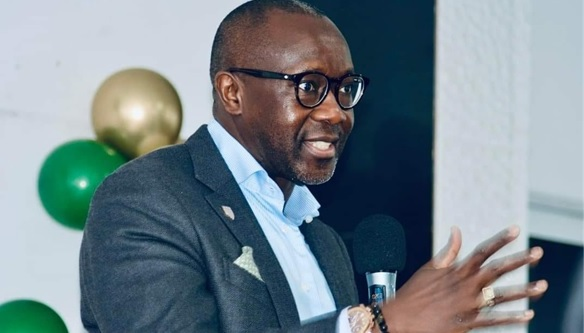
The National Chairman of the Tarjuowon United Development Association (TUDA), Sampson W. Toby, has issued a heartfelt appreciation message to delegates, traditional leaders, elders, women, youths, community representatives, donors and other stakeholders whose participation and support contributed to the successful holding of the three-day Tarjuowon Peace and Reconciliation Conference in Monrovia.
The conference, organized under the leadership of TUDA and the home-based Tarjuowon People’s Association (TAPA), represents another significant milestone in a peace process aimed at ending years of entrenched divisions among the people of Tarjuowon Statutory District, Sinoe County.
For a community whose traditional bonds have been strained by disagreements, competing interests and the long-running controversy surrounding Golden Veroleum Liberia (GVL), the gathering has reopened a critical window for dialogue, forgiveness and collective healing.
Toby said, the contributions of participants and supporters demonstrated a shared determination to restore peace, rebuild confidence and establish a foundation for sustainable development.
He extended special appreciation to individuals, organizations, well-wishers and partners who provided financial, material, moral and logistical assistance, emphasizing that every contribution helped advance the cause of reconciliation.
He also commended the leadership of TUDA and TAPA for bringing people together at a defining moment in Tarjuowon’s history, describing the conference as an opportunity to renew commitments to peaceful coexistence and collective progress.
But beyond the expressions of gratitude, the chairman’s message carries a broader appeal: the responsibility for peace cannot rest on the shoulders of conference organizers alone. Every son and daughter of Tarjuowon must become an active stakeholder in ending the divisions that have weakened the community for years.
In a direct appeal to Tarjuowon citizens who could not attend the conference, Toby stressed that their absence should not be interpreted as exclusion from the reconciliation process.
He urged citizens at home and in the diaspora, particularly those in the United States and elsewhere, to embrace the process and contribute to the collective search for lasting peace.
“Peace cannot be achieved by a few individuals alone,” the message emphasized, underscoring the need for broad-based participation, mutual understanding and a willingness to move beyond personal disagreements.
Toby called on citizens to put aside misunderstandings, personal interests and past grievances in favor of the common good, reminding them that differences of opinion should never become permanent barriers to coexistence.
The message also challenged Tarjuowon’s citizens to translate the spirit of reconciliation into practical conduct, warning implicitly against allowing peace conferences to become ceremonial gatherings whose commitments disappear once participants return to their respective communities.
The chairman’s appeal culminated in a unifying declaration: “One People, One Community, One Future — Let Us All Get on Board for Peace.”
The message was accompanied by a call for continued solidarity among TUDA, TAPA and the people of Tarjuowon, with a prayer for peace, unity, forgiveness and reconciliation.
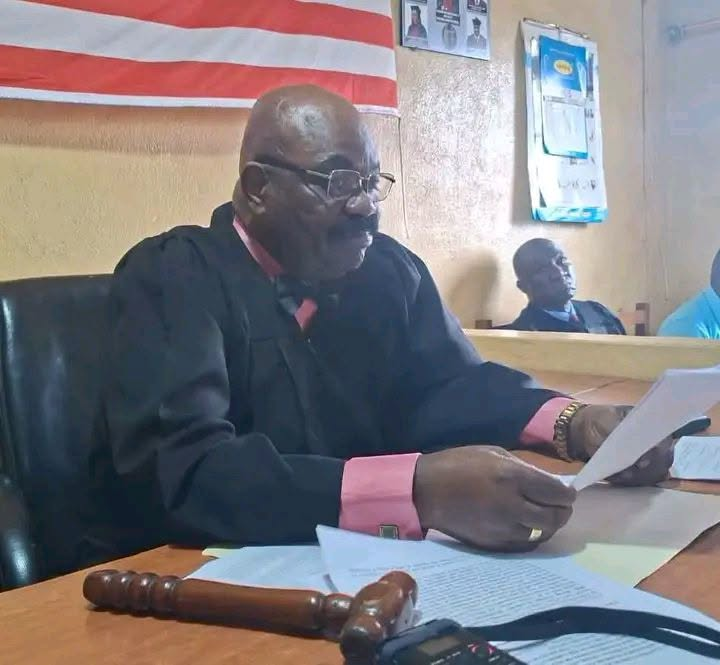
For his part, Bishop Andrew N. Jaysay Sr., chairman of the home-based TAPA, called for comprehensive peace and reconciliation among the people, stressing the urgency of ending the divisions that have persisted for years.
Jaysay’s appeal reinforced the central message of the conference: Tarjuowon cannot secure its collective future while longstanding disagreements continue to undermine relationships among its citizens.
The three-day gathering brought together prominent sons and daughters of the district, providing an opportunity for stakeholders to revisit the roots of the crisis, exchange perspectives and consider a pathway toward reconciliation.
A resolution is expected to be signed in Tarjuowon either in December 2026 or in 2027, according to the information provided by the organizers. The proposed signing could become an important next step, provided that the parties agree on its contents and commit themselves to implementing its recommendations.
For residents and citizens in the diaspora who have long yearned for normalcy, the latest conference has revived hopes that the cycle of hostility can finally be broken.
Tarjuowon, a subdivision of the Kru ethnic community, comprises five sections: Kulu, Shaw, Boe, Plahn and Nyaon. Located in Sinoe County, the district became a self-governing statutory district in 2000 during the administration of former President Charles Ghankay Taylor.
For decades, its people maintained family ties and relative peace despite ordinary traditional and community disagreements.
However, tensions that predated the arrival of GVL eventually escalated into a prolonged dispute that fractured relationships across the district.
The GVL controversy became a major flashpoint, exposing deeper disagreements over leadership, land ownership and use, foreign investment, environmental protection, employment opportunities and the future direction of the community.
Accounts gathered during earlier peace consultations indicated that the underlying tensions extended beyond the plantation controversy.
Political rivalries, personal disagreements and competing visions for Tarjuowon had already created divisions among some influential citizens at home and abroad.
When the prospect of GVL's investment emerged, those disagreements increasingly converged around two opposing camps commonly identified as the “YES” and “NO” groups.
Supporters of the investment argued that it could create jobs, alleviate poverty, provide economic opportunities and help retain young people who were leaving the district in search of employment.
Opponents, meanwhile, raised concerns about land availability, the long-term consequences of oil-palm cultivation, environmental degradation and the potential exploitation of local communities by foreign investors.
They also questioned whether Tarjuowon had sufficient land to accommodate another large plantation alongside the existing oil-palm operation in neighboring Butaw.
The competing positions hardened into a protracted struggle that extended beyond policy disagreements and into personal relationships, family networks and community institutions.
The resulting polarization affected elders, women, youths, religious and traditional leaders, and citizens living in Liberia and the diaspora.
Various associations and informal groups emerged or became more deeply involved, further complicating efforts to bring the parties to a common negotiating table.
The conflict also weakened confidence in some community leadership structures, making it increasingly difficult for competing sides to agree on neutral mechanisms for resolving their differences.
Although GVL became a central point of contention, the broader history suggests that a lasting settlement must address the underlying grievances, interpersonal rivalries and governance concerns that allowed the crisis to deepen.
Recognizing the growing danger of prolonged hostility, TUDA leaders and peace-minded citizens began exploring ways to bring the opposing sides together.
On May 14, 2019, the then acting TUDA leadership under Toby publicly embraced the principle of putting the past behind and pursuing reconciliation, signaling a willingness to move away from entrenched positions.
That effort led to a landmark panel discussion on February 11, 2021, at Third Providence Baptist Church in Logan Town, Bushrod Island, Monrovia.
Organized under the theme “Tarjuowon Reconciliation: Challenges, Prospects and Way Forward,” the gathering brought together prominent stakeholders to examine the roots of the crisis and propose measures for restoring peace.
J. Dominic Farley, a leading advocate in the reconciliation process, and Pastor Morris Manneh of TUDA-USA served as moderators.
The panel discussion included Prof. Andrew Togba Karjay, Simpson D.C.L. Snoh and Sherman C. Seequeh. Patrick P. Saydee, another invited panelist, did not attend.
Representatives of all five sections of Tarjuowon were present, underscoring the importance of inclusive participation in any process intended to rebuild unity across the district.
However, the discussions also revealed that a single-day gathering could not sufficiently address the depth of the grievances.
Participants called for a broader forum that would allow more stakeholders, including major actors who had not attended, to present their perspectives and contribute to a durable settlement.
Subsequent outreach and consultations sought to engage influential elders, political figures, community leaders and other individuals whose participation was considered important to the peace process.
The consultations exposed the sensitivities surrounding the conflict and the difficulty of persuading some stakeholders to participate directly.
Some provided their views remotely, while others required further engagement before accepting the proposed dialogue.
Organizers eventually concluded that Monrovia was the more practical venue for the conference because many key actors resided in the capital and because, preliminary consultations were necessary before attempting a broader gathering in Tarjuowon.
However, the latest three-day conference, therefore represents another phase in a reconciliation process that has required sustained engagement, patience and repeated efforts to bring divided citizens together.
The peace process has also been marked by setbacks, particularly the failure to translate earlier conference recommendations into concrete action.
Recommendations emerging from the October 2021 peace-conference process were not implemented, according to the account provided by those familiar with the reconciliation efforts.
The failure to follow through left important grievances unresolved and weakened the prospects for a durable settlement.
The 2023 elections subsequently generated renewed hostilities in Tarjuowon, illustrating how unresolved personal, political and community tensions can resurface when competing interests intensify.
That experience offers a sobering lesson: dialogue without implementation cannot guarantee peace.
Peace agreements must be supported by clear commitments, timelines, accountability mechanisms and credible follow-up structures.
Otherwise, the same grievances that brought people to the negotiating table can return to destabilize relationships and undermine confidence in community leadership.
The latest conference has therefore created an opportunity not merely to repeat earlier calls for reconciliation, but to correct the failures that prevented previous recommendations from producing lasting results.
Stakeholders now face the task of converting goodwill into practical measures that address outstanding disagreements, rebuild trust and establish acceptable procedures for resolving future disputes.
The anticipated resolution in Tarjuowon could provide a framework for that work, but its significance will depend on the inclusiveness of the process, the clarity of the commitments and the willingness of all parties to honor them.
Despite the setbacks, there are renewed hopes that peace can return to Tarjuowon following the latest Monrovia conference.
Those hopes must now be strengthened through inclusive dialogue, responsible leadership and a collective rejection of intimidation, personal vendettas and the tendency to treat alternative opinions as threats to community unity.
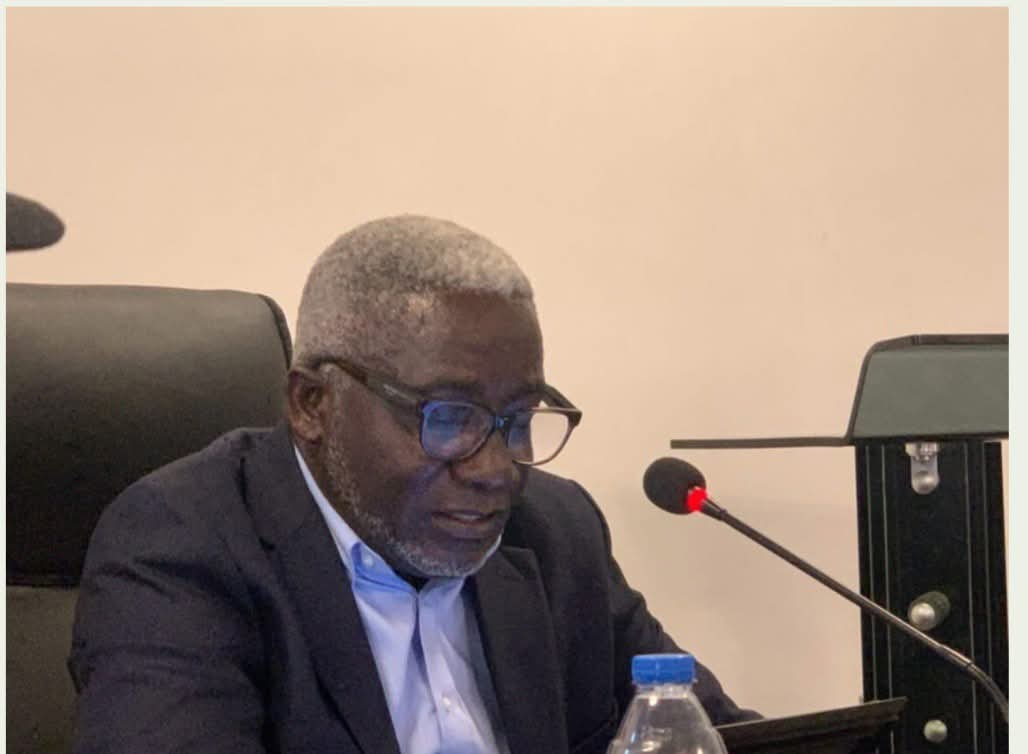
“No individual, faction or association can legitimately claim ownership of Tarjuowon’s future. The district belongs to all its citizens, and every stakeholder has a responsibility to protect its peace, dignity and development prospects,” Mr. Arthur Jarwleh, a prominent opinion leader of Tarjuowon.
Jarwleh added, “equally important, reconciliation must not be mistaken for suppressing legitimate grievances. Genuine peace requires the courage to acknowledge past mistakes, listen to opposing perspectives, address outstanding concerns fairly and agree on common rules for moving forward.”
Where disagreements persist, peaceful dialogue and mutually accepted dispute-resolution mechanisms must take precedence over confrontation. Where recommendations have already been agreed upon, their implementation must become a collective obligation rather than an optional undertaking.
Tarjuowon’s traditional leaders, elders, religious institutions, women, youths, political representatives and diaspora communities all have important roles to play in sustaining the process.
The proposed resolution-signing ceremony should consequently be treated as a starting point for implementation, monitoring and reconciliation—not the final destination.
After years of strained relationships and missed opportunities, the people now have another chance to rebuild the bonds that once held their community together.
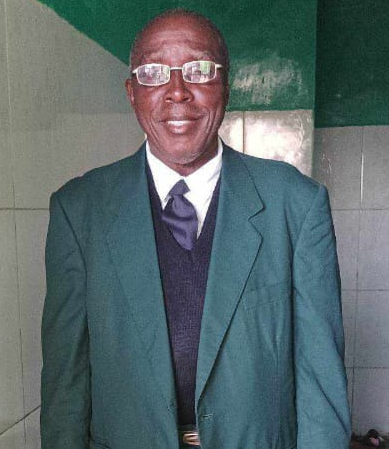
The challenge is whether they will seize that opportunity with sincerity, humility and determination. Tarjuowon must not allow the wounds of yesterday to dictate the destiny of tomorrow, says, Godsent Togbah, a member of the youth group.
The message from TUDA and TAPA is clear: the time has come for every citizen to move beyond entrenched divisions and embrace a future in which differences are resolved through dialogue, shared interests take precedence over personal rivalries, and peace becomes the foundation for development.
For Tarjuowon, the greatest victory will not be the triumph of one faction over another. It will be the restoration of trust, the reunion of divided families and the emergence of a community whose people can disagree without becoming enemies.
“One people. One community. One future. Let peace prevail in Tarjuowon,” says TUDA’s Chairman, Sampson W. Toby.

Towards Economic Empowerment And Reconciliation