MONROVIA: As Liberia positions its maritime sector for greater investment, industrial growth and employment opportunities, the Liberia Maritime Authority (LiMA) has begun developing new legal and regulatory safeguards to guide emerging activities, including shipbuilding, sand mining and other subsectors within the country’s maritime domain.
The initiative, being led jointly by LiMA’s Legal Services and Marine Environmental Protection departments, is aimed at ensuring that the expansion of Liberia’s maritime economy is matched by strong regulatory frameworks that protect the country’s marine environment and promote responsible and sustainable development.
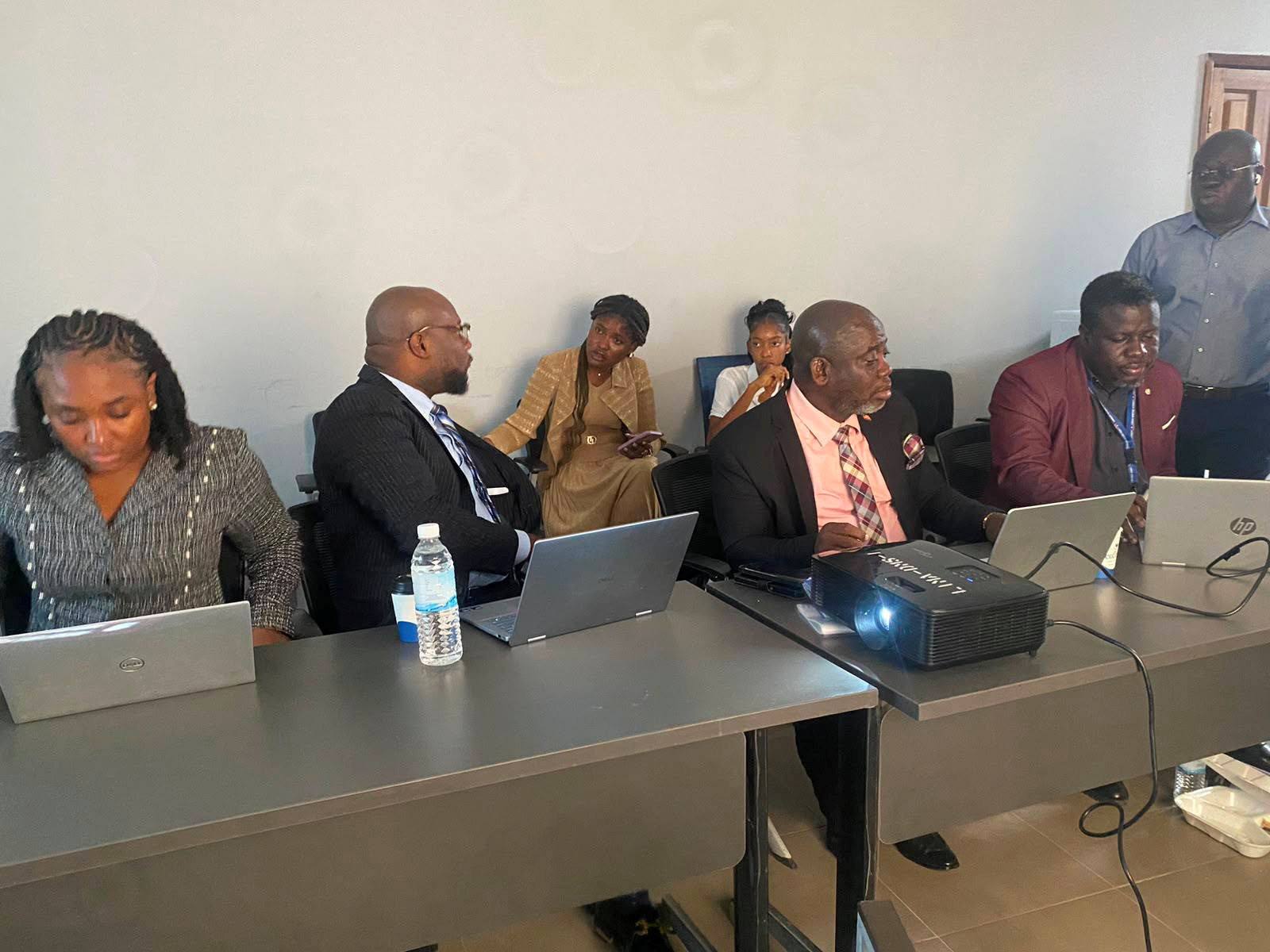
A special committee comprising legal experts and environmental professionals has been constituted to develop the requisite legal instruments that will govern activities in the emerging subsectors.
The exercise comes as Liberia seeks to maximize the economic potential of its maritime resources, expand opportunities for investment and create more jobs for Liberians while ensuring that maritime development does not come at the expense of the country’s marine ecosystems.
Speaking on the initiative, the Commissioner and CEO of LiMA, Cllr. Neto Zarzar Lighe, Sr., said the Authority is committed to creating a regulatory environment that will allow the maritime sector to grow in a responsible and sustainable manner.
“As we expand Liberia’s maritime sector and open the door to new investments and employment opportunities, we must also ensure that this growth is properly regulated. Our responsibility is to put the necessary legal safeguards in place today so that the opportunities we create do not become environmental or economic challenges tomorrow.
Sustainable maritime development must be guided by strong laws, clear standards and responsible practices.”
The Director of Legal Services at LiMA, Atty. Augustus S. Karr, said the special committee was established under the direction of the Commissioner and CEO to develop comprehensive regulatory frameworks capable of addressing potential risks associated with emerging maritime activities.
According to Atty. Karr, the committee’s work is intended to establish clear legal requirements and safeguards for operators while protecting Liberia’s marine ecosystems from activities that could have adverse environmental consequences.
He noted that the development of the instruments is particularly important as Liberia explores opportunities to expand activities across the maritime domain.
Atty. Karr said the process will not end with the drafting of the proposed regulations, emphasizing that stakeholder participation will be an important component of the exercise.
He disclosed that following the completion of the draft legal instruments, LiMA will convene a consultative workshop involving relevant stakeholders to review the proposed regulations, solicit technical input and ensure broader ownership of the frameworks.
The outcome of the stakeholder consultations will subsequently inform further review of the draft instruments by the Commissioner and heads of relevant institutions before they are submitted to the LiMA Board of Directors for consideration and approval.
The initiative forms part of LiMA’s broader efforts to strengthen Liberia’s maritime governance architecture and ensure that the country’s maritime resources are developed in a manner that supports economic growth, environmental protection, investment and sustainable employment opportunities for Liberians.

Towards Economic Empowerment And Reconciliation