By: Frank P. Martin
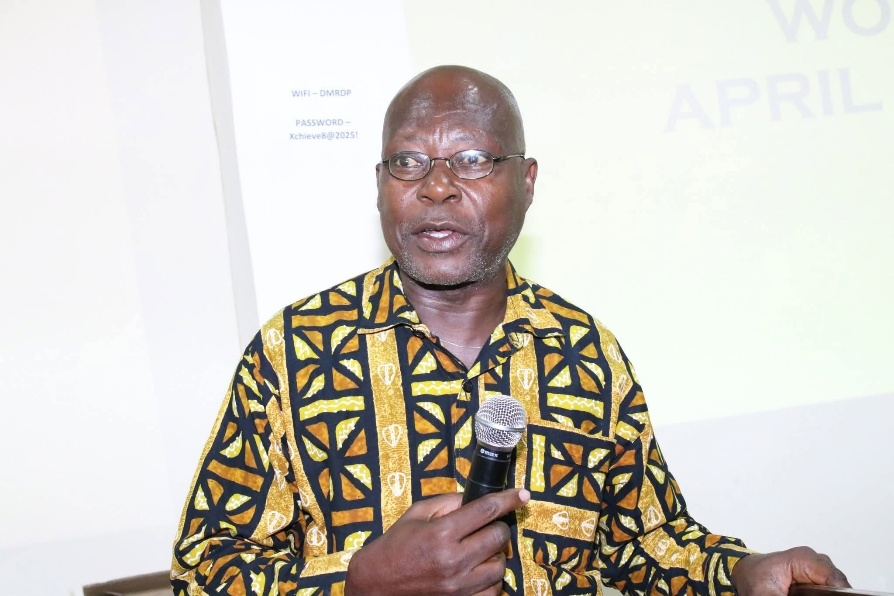
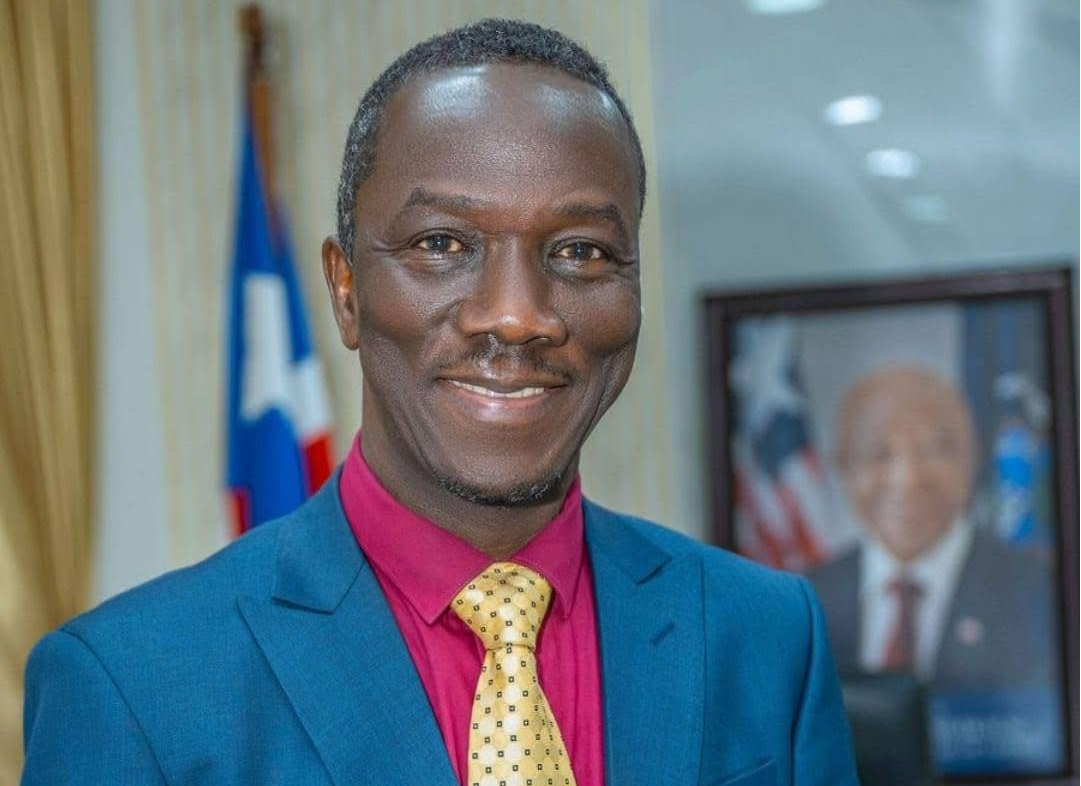
MONROVIA: Unity Party (UP) former Chairman and who is also former Minister of Mines and Energy, Wilmot Paye, has broken his silence on his departure from the Up-led government, headed by President Joseph Nyuma Boakai.
Paye says he harbors no bitterness while acknowledging policy and political disagreements that marked his time in the incumbent administration of President Joseph Nyuma Boakai.
The ex-UP Chairman said he understood then that President Boakai was preparing to reshuffle his government and believes the broader changes contributed to his removal from the Ministry of Mines and Energy.
“I understood that the President wanted to do a reshuffle, and I think that led to my removal,” Paye said.
Reflecting on his time in government, the former Mines and Energy Minister suggested that his willingness to resist decisions he considered inappropriate may also have contributed to tensions within the current administration.
“There were many instances I said no to things that weren’t correct,” Paye said.
Paye, who rose through government from a relatively from the very least level before eventually occupying a senior ministerial position, said his experience had taught him about the pressures, temptations and competing influences associated with public office.
“I am not a new person in government. I started at the very least level and rose to the highest,” he said.
Paye: “I am knowledgeable and I understand the temptations. I understand the influences. So, I am a person you just don’t do like this. The only thing is that we can reason together.”
Paye also addressed his differences with Vice President Jeremiah Kpan Koung Sr., and other senior officials, maintaining that his disagreements were rooted in principles rather than personal animosity.
“My disagreement with the Vice President and other people is not personal, but it is based on principles,” Paye insists.
The ex-minister narrated that his focus while heading the Ministry of Mines and Energy was to deliver on the responsibility entrusted to him by President Boakai and demonstrate that his appointment was the right decision.
“When I was Minister of Mines and Energy, I was focused on the sector I was entrusted to manage,” he said.
“I was given a responsibility, and I needed to prove those who didn’t want me to go there wrong, and make the President know that he didn’t make the wrong choice,” he added.
The former minister has also raised the prospect of further revelations about Liberia’s mining sector, saying he possesses information that he believes the public should eventually know.
“I have credible information about the sector that the Liberian people need to know. When the time comes, I will release them,” he said.
Paye did not disclose the nature of the information, identify individuals who may be associated with it.
The former UP chairman also turned his attention to the political activities of former Montserrado County District #5 Representative, Thomas Fallah.
Paye called on the Unity Party leadership to pay closer attention to Fallah’s activities, arguing that what is being presented as support for the governing party could develop into a separate political structure.
“Leadership of the Unity Party needs to wake up and understand that Thomas Fallah isn’t supporting [the party] with his whole [heart], but [is] forming a parallel political party,” Paye said.
Paye said he does not trust the motive behind what he described as Fallah’s effort to establish an auxiliary structure associated with the governing party.
“I don’t trust the motive of Fallah forming an auxiliary to the Unity Party,” he said.
He also suggested that concerns about the development had previously been raised by the Minister of Local Government.
Paye further questioned the political embrace of Fallah by individuals and groups that, he argued, had previously criticized Fallah and the Congress for Democratic Change (CDC) administration over allegations of corruption and governance failures.
However, Rep. Thomas Fallah has consistently dined any wrong and public expressed his firm support for the Boakai led administration that, he said, is working very hard to develop the Liberian Nation.
Paye: “Why should our people be celebrating Thomas Fallah when we criticized him and the CDC government for corruption?”
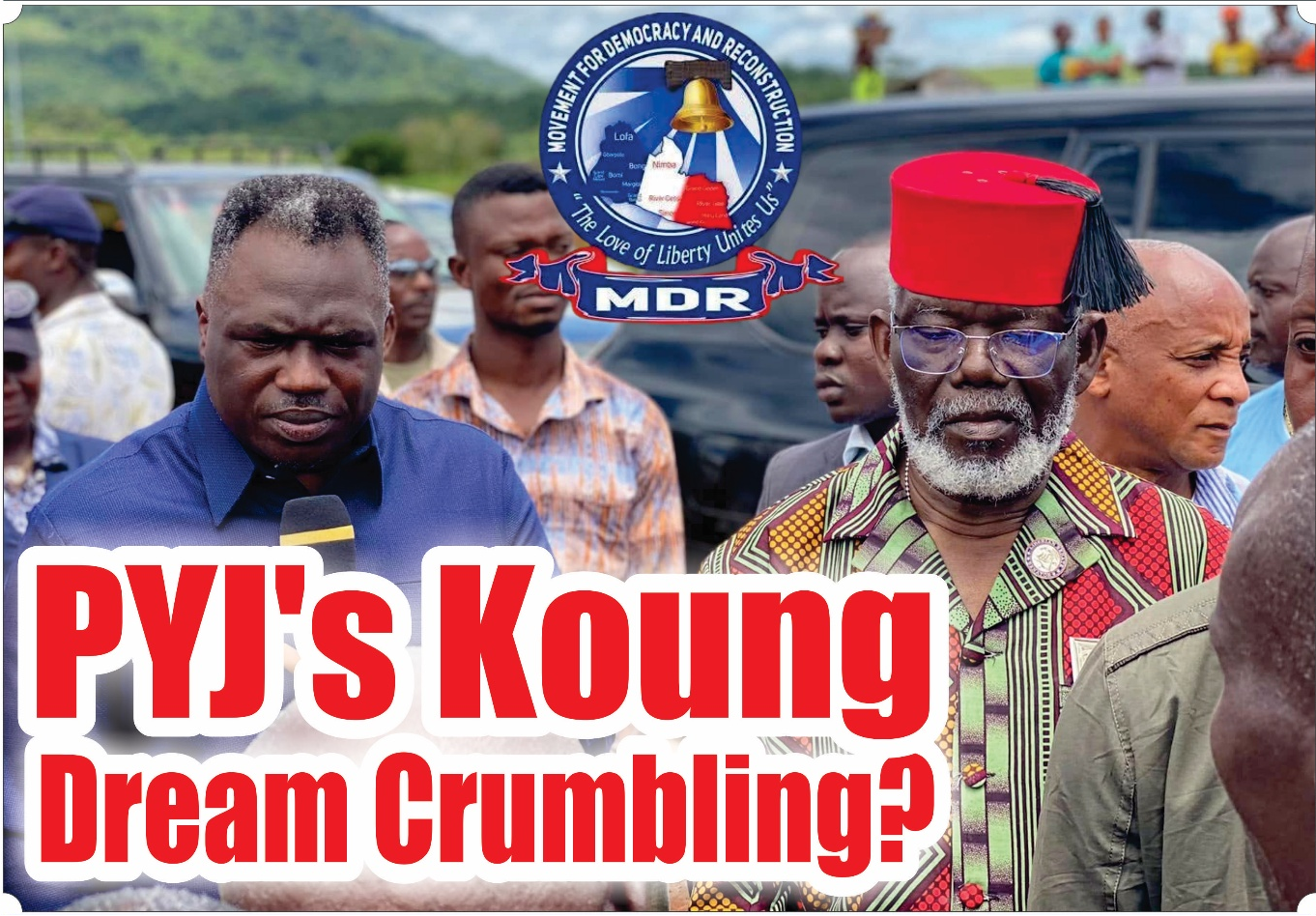
Against the backdrop of the previous disagreements, Vice President Koung recently made a personal visit to Paye’s residence, an encounter that has attracted attention in vote-rich Nimba County and has been interpreted by some as an effort toward reconciliation.
The exact details of the private discussion held involving the VP Koung and Paye have not been publicly disclosed.
The visit is particularly significant given the political fallout that followed Paye’s departure from government.
Paye served as Minister of Mines and Energy during the early period of President Boakai’s administration before leaving the position. His departure subsequently generated political speculation and public debate.
Following his departure, Paye’s wife reportedly published a Facebook statement, suggesting that her husband had been unfairly targeted because of positions he had taken on certain issues. The post did not identify those allegedly responsible and was later deleted.
The controversy intensified months later when Paye appeared on Spoon Talk and accused Vice President Koung of playing a role in efforts to remove him from government. Paye also indicated that he was prepared to politically resist what he viewed as efforts to sideline him.
Against that background, Koung’s decision to visit Paye’s residence has been viewed by supporters and some political observers as a possible opening for reconciliation.
Nimba County Superintendent Kou Meapeh Gono publicly welcomed the development, describing Vice President Koung as “the necessary calm” Nimba needs and praising his patience, humility and willingness to forgive.
Other residents and community representatives similarly welcomed the encounter, saying political disagreements should not become permanent divisions and that dialogue remains important to maintaining peace and development.
A community leader in Ganta described the visit as the kind of leadership Liberia needs, arguing that political leaders should remain willing to engage one another regardless of the seriousness of their differences.
Despite his departure from government, Paye said his concerns extend beyond his personal experience.
He called on the Boakai administration to accelerate its efforts to deliver tangible results, arguing that Liberians want to see the country placed on what he described as an “irreversible path” of progress.
“Liberians want to see their country on an irreversible path, so this government needs to double [its efforts] before it is caught up with time,” Paye said.
He acknowledged that every administration would experience shortcomings but maintained that more needs to be done.
“I think more needs to be done, despite there will always be lapses,” he said.
Paye also cautioned against complacency, noting that while the 2029 elections remain several years away, the government must use the time available to demonstrate meaningful progress.
At the center of Paye’s latest remarks is his insistence that his departure from government should not be interpreted as a source of personal bitterness.
His position is that disagreements with senior government officials, including the Vice President, were based on principles rather than personal hostility.
At the same time, his comments about the Mines and Energy sector suggest that he believes there are issues from his tenure that may eventually warrant public disclosure.
Koung’s visit to Paye also introduces a potentially different chapter in a relationship that had become publicly strained.
While the substance of their private discussion remains undisclosed, the encounter has nevertheless created space for speculation about reconciliation and renewed political dialogue.
For Paye, however, his message remains focused on governance, political accountability and the future direction of the Unity Party and the Boakai administration.

Towards Economic Empowerment And Reconciliation