MONROVIA: Civil society organizations in Liberia are calling for comprehensive reforms in the mining sector, with emphasis on transparent governance, institutional accountability, environmental protection, community rights, gender inclusion and equitable distribution of mining benefits.
The call was made during a civil society roundtable convened to assess governance, 0economic, environmental, social, and human rights challenges affecting Liberia’s mining industry and develop a common reform agenda for engagement with government, mining companies, Legislature, and development partners.
The forum brought together stakeholders to identify priority reforms, elevate concerns from mining-affected communities, particularly women and other marginalized groups, and formulate evidence-based recommendations aimed at ensuring that mining contributes more meaningfully to national development while safeguarding Liberia’s forests and biodiversity.
Executive Director of Sustain Earth and Equity Defenders (SEED), Loretta Pope-Kai, said, civil society organizations are seeking to advance an inclusive, transparent, accountable, equitable and sustainable framework for mining governance.
Pope-Kai noted that several mineral operations overlap with areas of significant biodiversity, creating a need for policies that balance economic activity and natural-resource exploitation with environmental conservation.
She said, stakeholders must develop practical solutions that recognize both the economic importance of mining and the need to protect Liberia’s forests, biodiversity and affected communities.
The roundtable also examined weaknesses in existing governance arrangements and identified reforms needed to improve oversight, strengthen institutional coordination and increase benefits accruing to Liberia and communities hosting mining operations.
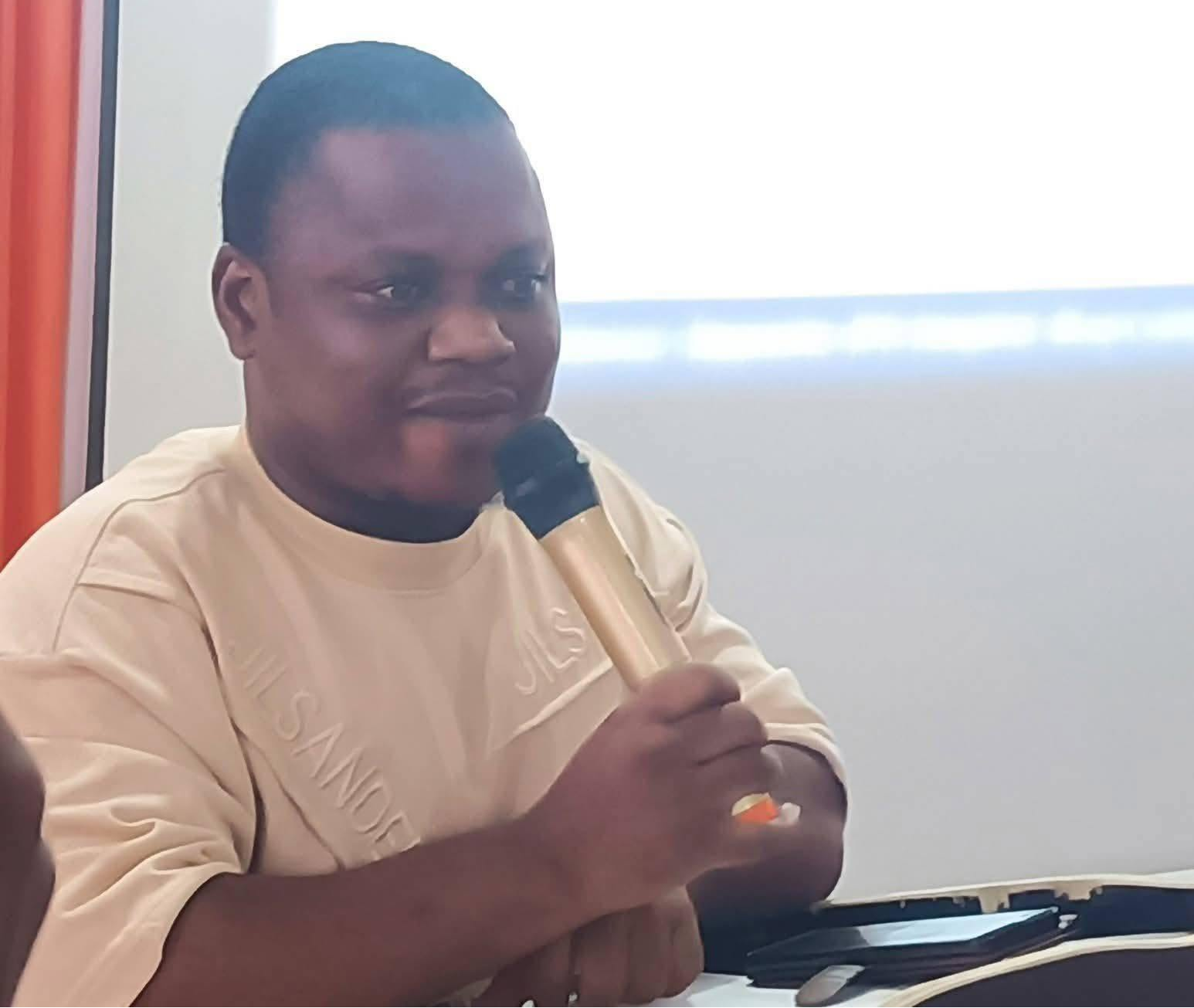
For his part, the Executive Director of the Center for Transparency and Accountability in Liberia (CENTAL), Anderson Miamen said, mining-sector governance extends beyond the responsibilities of the Executive Branch and the Ministry of Mines and Energy.
He stressed that multiple public institutions have roles in promoting transparency, enforcing accountability, protecting human rights, ensuring environmental compliance and safeguarding the interests of mining-affected communities.
Miamen specifically highlighted the judiciary’s role in adjudicating mining-related disputes, environmental cases, corruption allegations and other matters, noting that judicial integrity and effective enforcement are important to ensuring access to justice for affected communities.
He also identified the Ministry of Mines and Energy, Environmental Protection Agency, Ministry of Gender, Ministry of Health and other public institutions as having complementary responsibilities in regulating and overseeing the sector.
According to Miamen, corruption and weak institutional coordination remain potential obstacles to meaningful mining-sector reform, emphasizing that legislative changes must be accompanied by effective implementation, oversight and enforcement.
He said, communities, county authorities and national institutions must be actively involved in developing practical measures to improve governance and accountability within the mining industry.
The forum further observed that Liberia already has laws governing mining, human rights, environmental protection, gender, children and vulnerable populations.
However, participants stressed that the effectiveness of these legal safeguards ultimately depends on institutional capacity, enforcement, oversight and consistent implementation.
Towards Economic Empowerment And Reconciliation