Pharmacy Board Warns Against Illegal Drug Sales -Embarks Nationwide Enforcement
Economy |
👁 3 Views
|
September 30, 2026
By Elbie Pannoh
MONROVIA: Liberia’s Pharmacy Board has intensified nationwide enforcement against illegal drug sales, targeting unlicensed outlets and unsafe pharmaceutical practices threatening public health.
The latest exercise which inspection also targets pharmacies, medicine stores and pharmaceutical outlets as part of a broader regulatory crackdown aimed at curbing illegal drug sales and preventing the circulation of substandard, improperly stored and unauthorized medicines.
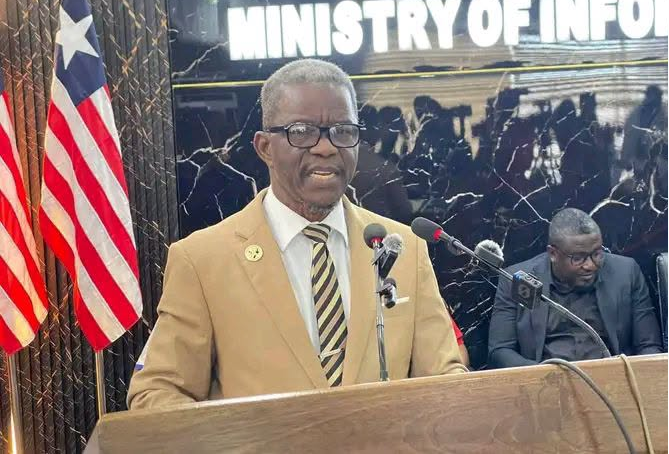
Speaking Tuesday, September 29, 2026, at the Ministry of Information, LPB Chief Executive Officer, Dr. Mennmon P. Z. Dunah said, the Board is strengthening pharmaceutical regulation and enforcement as part of efforts to protect public health and support the government’s ARREST Agenda.
Dr. Dunah said, the Board’s statutory responsibilities include licensing pharmacies and pharmaceutical personnel, inspecting pharmaceutical premises, monitoring compliance with regulatory standards, and ensuring that medicines are appropriately stored, handled, dispensed and distributed.
He disclosed that the Board has already taken enforcement action against operators found violating pharmaceutical laws and regulations, including individuals involved in the unauthorized possession or distribution of substances deemed harmful to public health.
According to Dunah, violators may face regulatory sanctions, including suspension or other actions against their operating licenses, depending on the nature and severity of the violation.
The Pharmacy Board chief issued a strong warning to consumers against purchasing medicines from street vendors, unlicensed medicine stores and other unauthorized sellers, stressing that such transactions can expose the public to counterfeit, expired, contaminated or improperly stored medicines.
He urged citizens to obtain medicines from licensed pharmacies and seek professional guidance from qualified pharmaceutical personnel, particularly when purchasing prescription medicines or treating chronic conditions.
Dunah emphasized the importance of regulated community pharmacies, particularly for residents living far from major health facilities.
According to him, properly licensed pharmacies can improve access to essential medicines, support medication refills and provide a critical link between patients and the formal healthcare system.
Beyond enforcement, the Board is working with national and development partners to strengthen pharmaceutical services, including programs supporting HIV treatment, reproductive-health commodities and the training of medicine dispensers.
Dunah also disclosed that Liberia is working to align its pharmaceutical policies, professional training and regulatory guidelines with regional standards developed by the West African Health Organization (WAHO), an effort intended to strengthen harmonization and professional standards across the sub-region.
As part of efforts to improve human-resource capacity, the Board plans to launch a national training program for medicine dispensers in October. The initiative, according to him, is expected to strengthen the technical capacity of personnel involved in dispensing medicines and improve compliance with established pharmaceutical standards.
The Board is also advocating for the establishment of a postgraduate college of pharmacy to provide Liberian pharmacists with opportunities for specialized education, advanced professional development and residency training.
Dunah said, the LPB is further pursuing the establishment of regional regulatory hubs to decentralize pharmaceutical oversight and extend the Board’s regulatory reach beyond Monrovia.
The proposed hubs, he explained, would bring inspection, monitoring and other regulatory services closer to communities and pharmaceutical operators in the counties, potentially improving compliance and reducing the logistical burden associated with nationwide supervision.
However, the expanded enforcement campaign is being conducted amid significant operational constraints.
Dunah identified inadequate funding, transportation, field logistics and inspection equipment among the major challenges limiting the Board’s ability to effectively monitor pharmaceutical establishments across the country.
He appealed for increased government support, stressing that effective pharmaceutical regulation requires adequate financial and institutional resources to conduct routine inspections, investigate violations and enforce compliance nationwide.
The LPB CEO also called on members of the public to report suspected illegal pharmaceutical activities to the appropriate authorities, stressing that effective regulation cannot be achieved through government enforcement alone.
He noted that cooperation among regulatory agencies, pharmaceutical professionals, healthcare providers and consumers remains essential to preventing the circulation of unsafe medicines.
The Board maintains that stronger pharmaceutical regulation, coupled with public vigilance and professional compliance, is essential to protecting consumers, improving the quality of medicines available on the Liberian market and restoring confidence in the country’s pharmaceutical and broader healthcare system.