MONROVIA: Liberia’s War and Economic Crimes Court preparations have taken a regional turn as Office for the establishment War and Economic Crimes Court of Liberia (OWECC-L) begins a five-day study tour of Sierra Leone to examine accountability, justice and post-war reconciliation.
The OWECC-L has dispatched a delegation to Sierra Leone to gain firsthand knowledge of the country’s experience with transitional justice, accountability and the prosecution of crimes committed during its civil war.
The visit forms part of OWECC-L’s broader efforts to learn from countries that have established accountability mechanisms and identify practical lessons that could inform Liberia’s own transitional justice process and preparations for the proposed War and Economic Crimes Court.
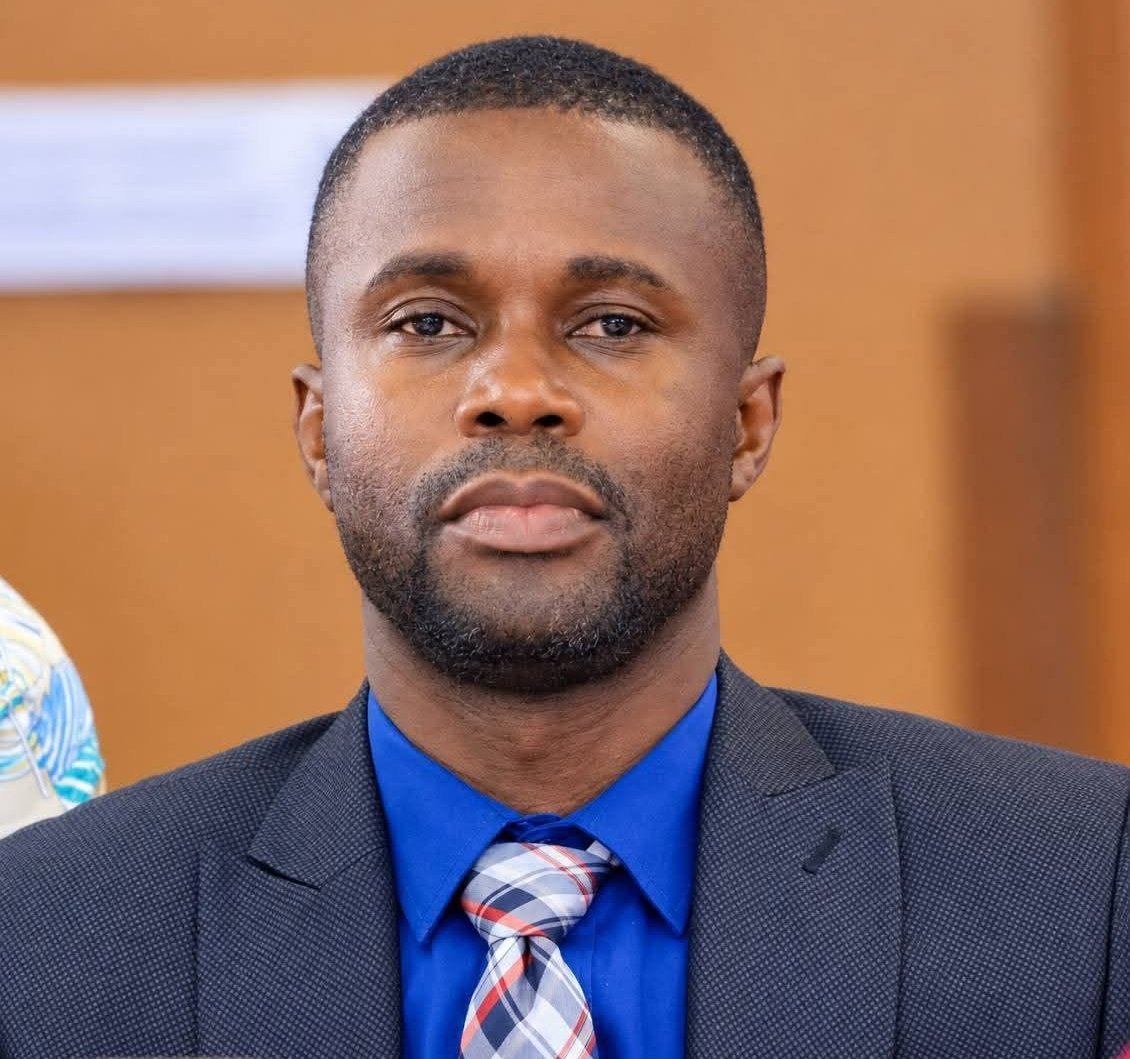
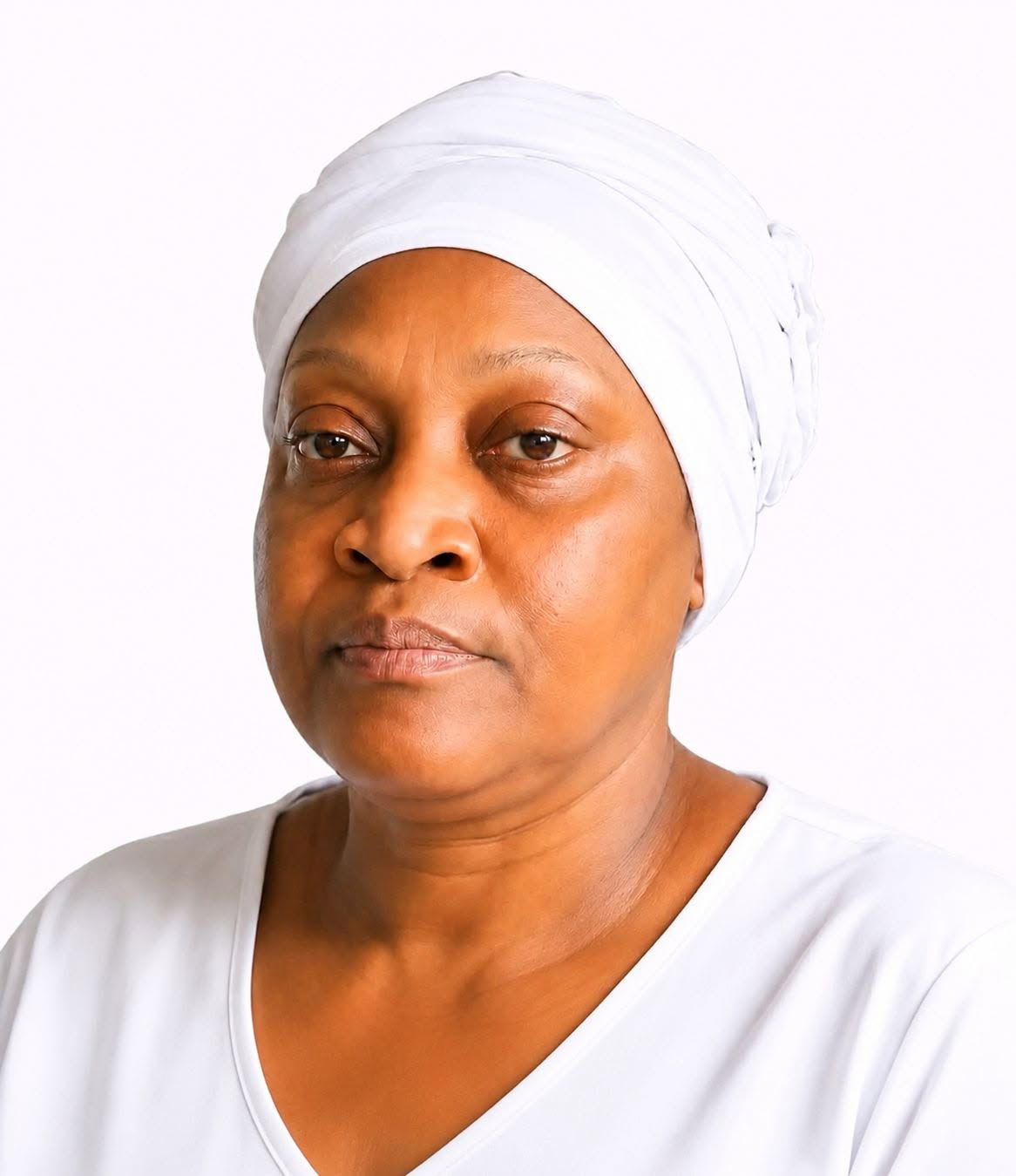
The delegation is headed by Reverend Philip L. Nushann and includes OWECC-L staff and representatives of the Liberia Massacre Survivors Association, the Liberia Council of Churches, the Women NGO Secretariat, Witness Protection and other key stakeholders.
The inclusion of survivors, religious leaders, women’s organizations and witness-protection representatives is intended to broaden the study beyond institutional structures and incorporate perspectives from communities directly connected to Liberia’s search for accountability, according to the war crimes group.
During the five-day mission, the delegation is expected to engage the Liberian Embassy in Sierra Leone, which will provide logistical and institutional support and facilitate meetings with relevant Sierra Leonean institutions and stakeholders.
The embassy engagement will allow OWECC-L to brief officials on the objectives of the mission while coordinating the delegation’s activities throughout its stay.
A major component of the visit will be an engagement with the Special Court for Sierra Leone, where the delegation is expected to examine the institution’s establishment, mandate, organizational structure, judicial processes, operations and outreach programs.
The experience is expected to provide practical lessons on how Sierra Leone pursued accountability for serious crimes committed during its civil conflict and how its institutions addressed issues surrounding victims, witnesses and public participation.
Beyond formal institutional visits, the delegation will examine some of the challenges Sierra Leone encountered in implementing transitional justice mechanisms.
Discussions are expected to cover victims’ concerns, public participation, institutional coordination, community outreach, witness protection and the preservation of historical records and documentation.
These issues are particularly relevant to Liberia as preparations continue for mechanisms intended to address allegations of serious crimes committed during the country’s years of civil conflict.
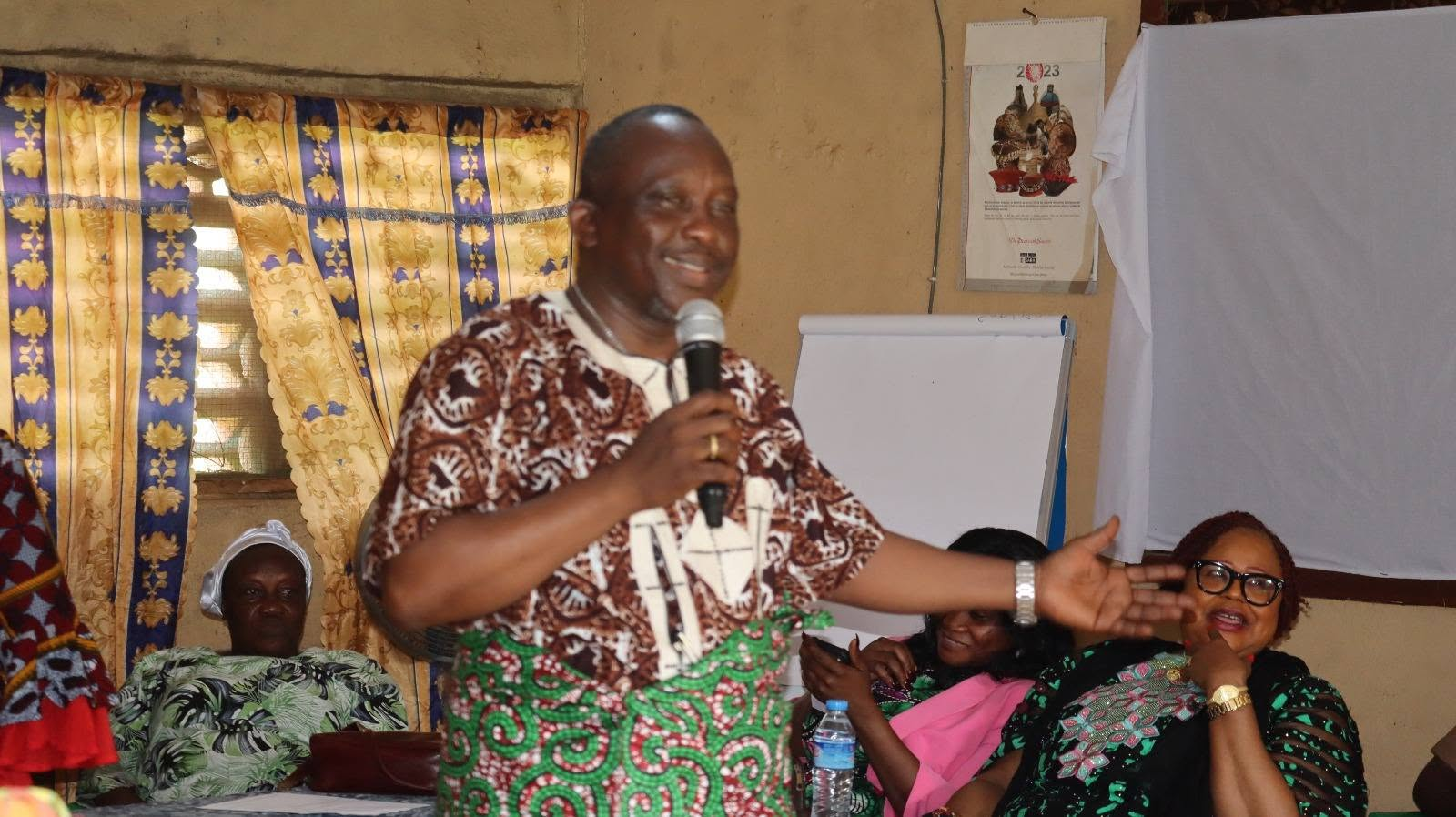
However, the delegation will also engage members of the Liberian community in Sierra Leone, creating an opportunity to explain OWECC-L’s mandate and ongoing work while gathering views on accountability, justice and reconciliation.
Community consultations are scheduled in Bo, Freetown and Waterloo, where Liberians will have an opportunity to share their concerns, expectations and perspectives on Liberia’s transitional justice process.
OWECC-L says, the study tour is part of its broader effort to strengthen institutional knowledge, stakeholder collaboration and public understanding of Liberia’s transitional justice agenda.
The mission also underscores the Office’s interest in drawing on regional experiences rather than developing Liberia’s accountability framework in isolation.
The delegation is expected to return to Liberia with lessons from Sierra Leone’s institutional and community experiences, which could contribute to ongoing consultations and preparations for the establishment and effective functioning of the proposed War and Economic Crimes Court.
For OWECC-L, the Sierra Leone experience offers an opportunity to examine both the achievements and challenges of transitional justice in a neighboring country and consider which lessons may be adapted to Liberia’s own historical, legal and social circumstances.

Towards Economic Empowerment And Reconciliation