By: Frank P. Martin
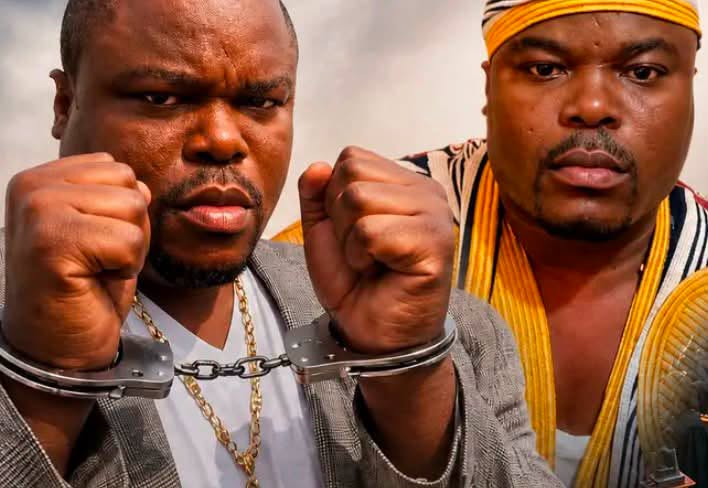
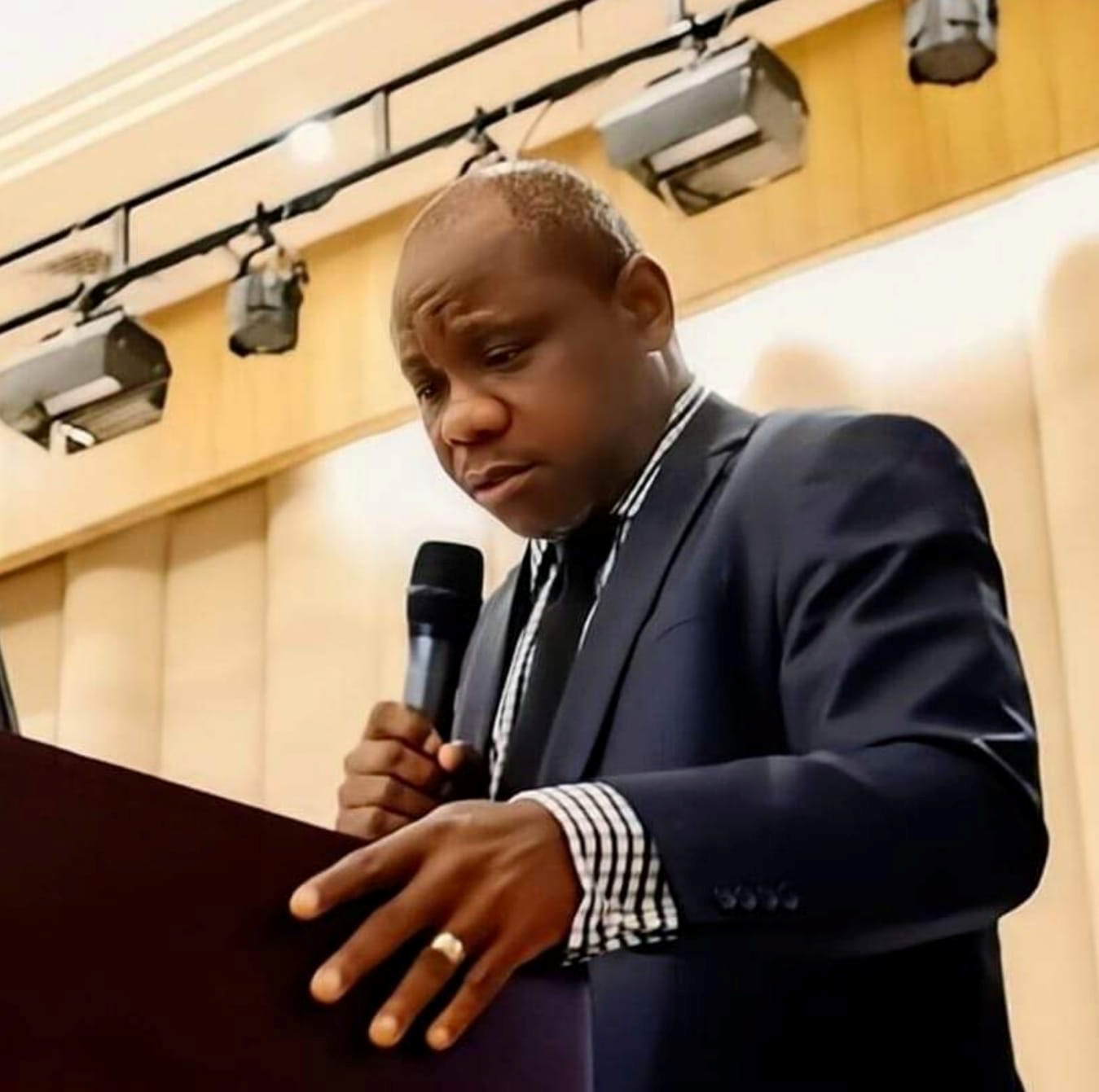
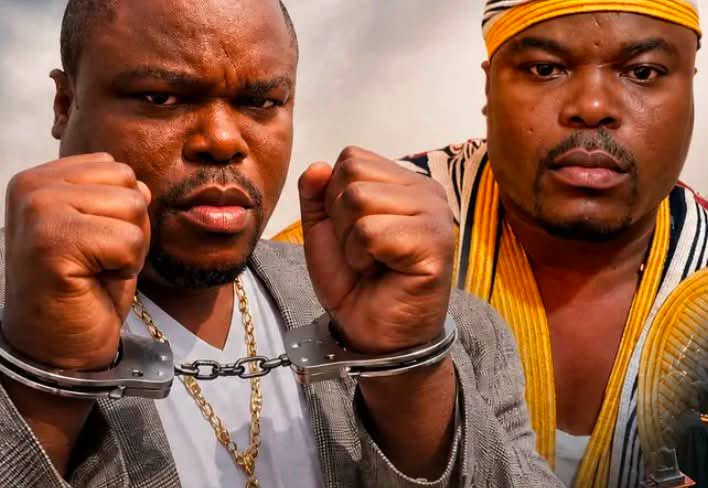
MONROVIA: Imprisoned preacher, Justin Oldpa Yeazehn, popularly known as "Prophet Key," has made a dramatic public appeal for forgiveness from the Supreme Court of Liberia, Liberian women and the general public as he prepares to complete a six-month prison sentence for criminal contempt.
The handwritten apology, dated July 28, 2026, surfaced just days before his expected release from the Monrovia Central Prison. In it, Prophet Key expresses deep remorse for the conduct that led to his conviction and imprisonment, while pleading for a second chance from the nation's highest court and the Liberian people.
In the letter, he specifically apologized to Chief Justice, Yamie Quiqui Gbeisay and Associate Justices, Yussif D. Kaba; Boakai N. Kanneh; Jamesetta H. Wolokolie, and Cecelia D. Clinton Johnson, as well as judges, magistrates and other judicial officers across Liberia.
Acknowledging full responsibility for his actions, Prophet Key admitted that his previous remarks were inappropriate and offensive.
"I deeply regret my actions," he wrote, appealing to the Judiciary to forgive statements that the Supreme Court determined had undermined the dignity, authority and integrity of the Bench.
His apology also extended to Liberian women, whom he conceded he had insulted through his public utterances. He pledged never again to direct abusive or offensive language toward women.
"I promise that I will never cuss any woman again," Prophet Key wrote. "As a husband and father of two daughters, I now understand the importance of treating every woman with dignity and respect."
He added that his imprisonment had given him time to reflect on his conduct and the consequences of his words, while asking the Liberian public to forgive him and allow him an opportunity to rebuild his life.
The letter represents Prophet Key's strongest expression of remorse since the Supreme Court convicted him of criminal contempt, ruling that his repeated vulgar and abusive attacks against Chief Justice Gbeisay and members of the Court constituted a direct affront to the authority and credibility of Liberia's Judiciary.
Barring any unforeseen legal developments, Prophet Key is expected to regain his freedom later this month after serving the six-month custodial sentence imposed by the Full Bench of the Supreme Court.
His legal troubles culminated on February 13, 2026, when the Supreme Court found him guilty of criminal contempt after determining that his repeated public insults against the Chief Justice and other members of the Bench had crossed the constitutional limits of free expression.
In addition to sentencing him to six months' imprisonment at the Monrovia Central Prison, the court ordered him to publish formal apology notices in newspapers for five consecutive days addressed to the Supreme Court and Liberian women as part of the sanctions.
Throughout the contempt proceedings, Prophet Key's lawyers admitted that their client had acted improperly and urged the court to temper justice with mercy. They assured the Justices that he had learned from his mistakes and would refrain from making similar statements in the future.
Lawyers representing Chief Justice Gbeisay, however, resisted the plea for leniency, arguing that Prophet Key's conduct had seriously undermined public confidence in the Judiciary and warranted a punishment that would serve as a deterrent.
In its landmark ruling, the Supreme Court reaffirmed that while Liberia's Constitution guarantees freedom of expression, that right is not absolute.
The court stressed that citizens are entitled to criticize judicial decisions, but such criticism must remain respectful and lawful.
It warned that abusive, vulgar or insulting attacks capable of bringing the Judiciary into public ridicule or eroding confidence in the administration of justice would not be tolerated.
Prophet Key's public apology now marks a significant turn in a case that sparked nationwide debate over the delicate balance between freedom of speech and respect for judicial authority.
Whether his appeal for forgiveness will restore his public standing remains to be seen, but his letter signals an acknowledgment of the gravity of his actions and a stated commitment to turn over a new chapter after his release from prison.

Towards Economic Empowerment And Reconciliation