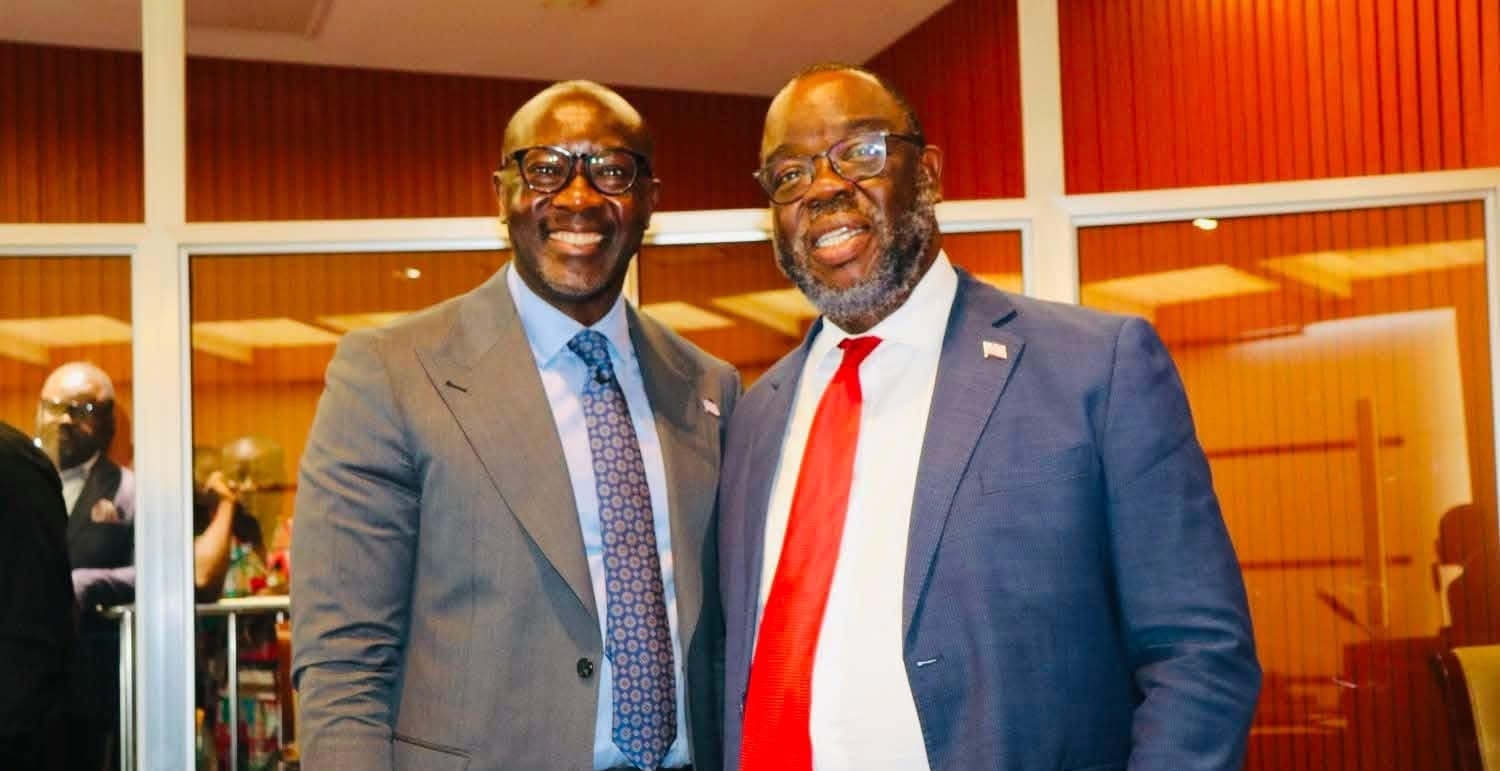
MONROVIA: Two influential Liberian senators have endorsed President Joseph Boakai's sweeping anti-drug crackdown but insist that the campaign must now target the powerful masterminds behind the country's sprawling narcotics empire.
President Joseph Nyuma Boakai's dramatic purge of officials implicated in Liberia's record-breaking cocaine investigations has won rare bipartisan praise on Capitol Hill.
However, two prominent senators have warned that dismissing public officials alone will not dismantle the sophisticated criminal syndicates that have turned Liberia into a major transit corridor for international drug traffickers.
In separate statements following the President's dismissal action, suspension and investigation of several government and security officials, senators Amara Konneh of Gbarpolu County and Edwin Melvin Snowe Jr. of Bomi County described the move as a bold first step.
Both, however, stressed that the investigation must ultimately expose and prosecute the powerful figures believed to be orchestrating the country's illicit narcotics trade.
Senator Konneh welcomed the President’s decision to dismiss and suspend security and port officials reportedly linked to the recent multi-million-dollar cocaine seizures, describing the action as essential to restoring public confidence and institutional integrity.
But, he cautioned that removing low-and mid-level officers would accomplish little, if the alleged architects of the trafficking networks remain untouched.
"Removing low- and mid-level officers is just the beginning," Konneh declared. "If we are truly committed to breaking up the transnational drug cartels that use our country as a transit point for illicit shipments to Europe—poisoning our youth and damaging our nation—we cannot stop there."
The Gbarpolu Lawmaker argued that the sheer magnitude of the drug seizures suggests the existence of an entrenched criminal enterprise supported by systemic corruption reaching far beyond operational officers.
According to Senator Konneh, investigations must now focus on the "big players"—the financiers, influential local brokers, senior government officials, allegedly providing protection since January 2024, and former officials whom Liberia National Police Inspector General, Gregory Coleman, has indicated remain under investigation.
"Justice must be impartial," Konneh asserted. "No one, regardless of their position in the current government or ties to the past, should be shielded by political convenience or bureaucratic delays."
Calling for full transparency, he urged the government to follow the evidence "all the way to the top," insisting that the true masterminds and senior policymakers connected to the narcotics syndicates must face the full weight of the law.
"More action is needed—and quickly, Mr. President," he concluded.
For his part, Bomi County Senator, Snowe, has also echoed similar sentiments while commending President Boakai for what he described as a courageous and necessary decision.
The Bomi County Lawmaker argued that Liberia's drug crisis was neither recent nor accidental but the product of a criminal enterprise that has evolved over several years.
"I don't believe this is something that entered Liberia in the space of one, two, three months or even a year," Snowe observed. "I believe it is something that built up over several months or several years."
He maintained that merely arresting suspects or destroying seized narcotics would not satisfy public expectations unless investigators identify and dismantle the networks responsible for importing the drugs into Liberia.
"Going after it—not just burning drugs and making arrests—but pursuing it to its logical conclusion to identify the roots of the problem will be very important for the Liberian public," he said.
Senator Snowe emphasized that constructive criticism and public accountability must remain central to national efforts against organized crime.
"When we see the wrong things happening, we will criticize them. When we see the right thing happening, we will applaud it."
For that reason, he said, President Boakai deserved recognition for taking decisive administrative action.
"We have come out publicly to applaud the President for the decision he made. I think, it was a good decision and a step in the right direction."
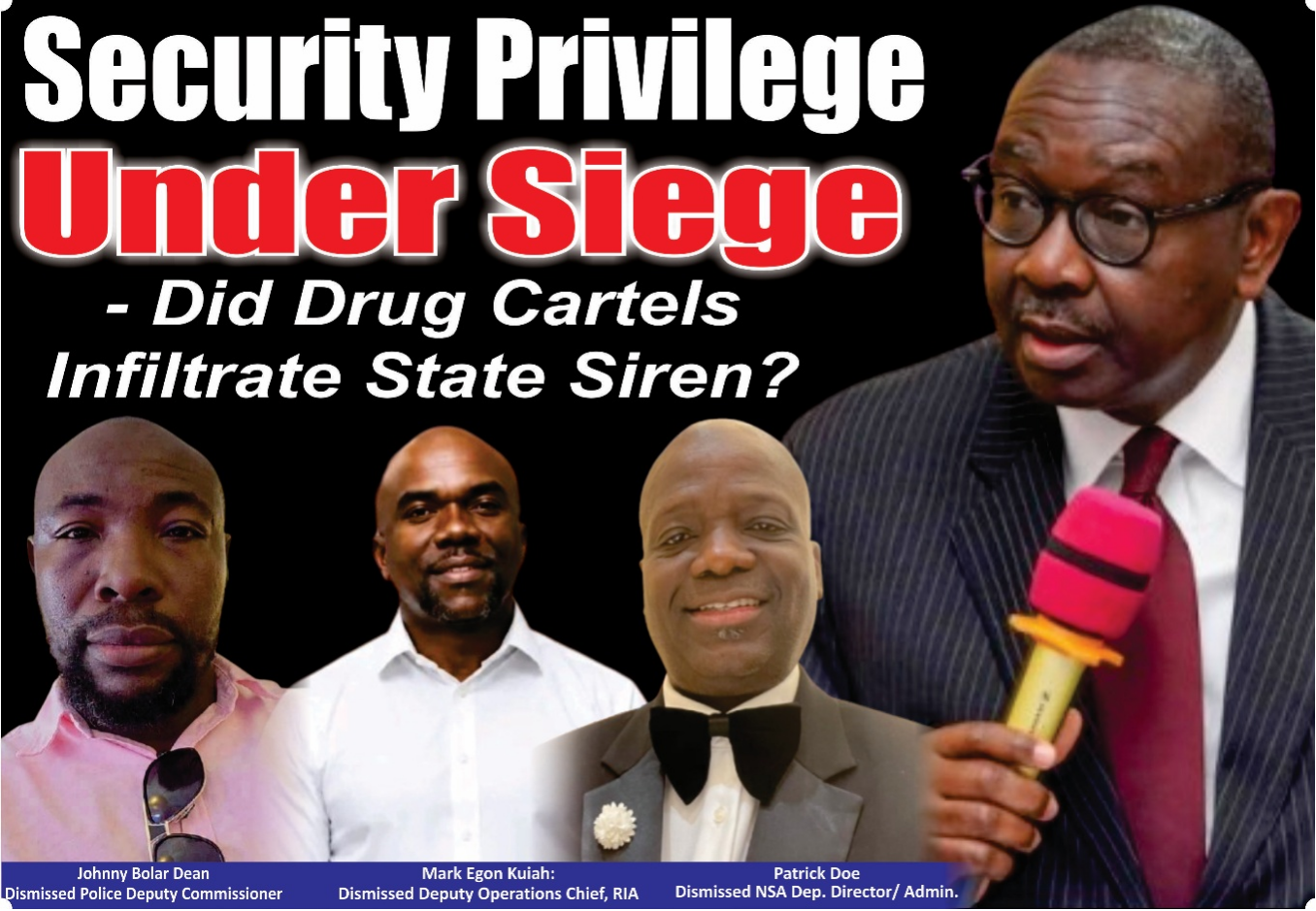
Senator Snowe also spoke emotionally about the dismissal of Mark Egon Kuiah, Deputy Director for Operations at Roberts International Airport, acknowledging their close personal relationship.
"Mark Kuiah was like a younger brother to me. This is heartbreaking, and I don't feel good that he is in such trouble."
Nevertheless, Senator Snowe indicated that the President's willingness to remove someone widely believed to have close ties to the First Family, demonstrates that the investigation should proceed without political interference.
"For the president to have taken that action yesterday, I think, it is a clear indication that the investigation will move forward wherever the evidence leads."
The remarks from the two senators have amplified public calls for the government to move beyond administrative dismissals and expose the alleged financiers, political protectors and international collaborators behind Liberia's unprecedented cocaine scandal.
As the country's narcotics investigation gains momentum, pressure is mounting on the Boakai-led administration to prove that its anti-drug campaign will not end with the dismissal of the twelve (12) public officials but will instead dismantle the entire criminal architecture behind Liberia's fast growing drug trade.
With millions of dollars in illicit narcotics allegedly passing through the country and international attention fixed on the investigation, many Liberians now believe the credibility of the government's anti-drug war will ultimately be measured not by the number of officials dismissed, but by whether the nation's most influential suspects—wherever they may be found—are brought before the courts.
Towards Economic Empowerment And Reconciliation