MONROVIA: Liberia could suffer a devastating economic shock, if it fails to meet the European Union Deforestation Regulation (EUDR) deadline, with billions in trade, thousands of jobs and farmers' livelihoods hanging precariously in the balance.
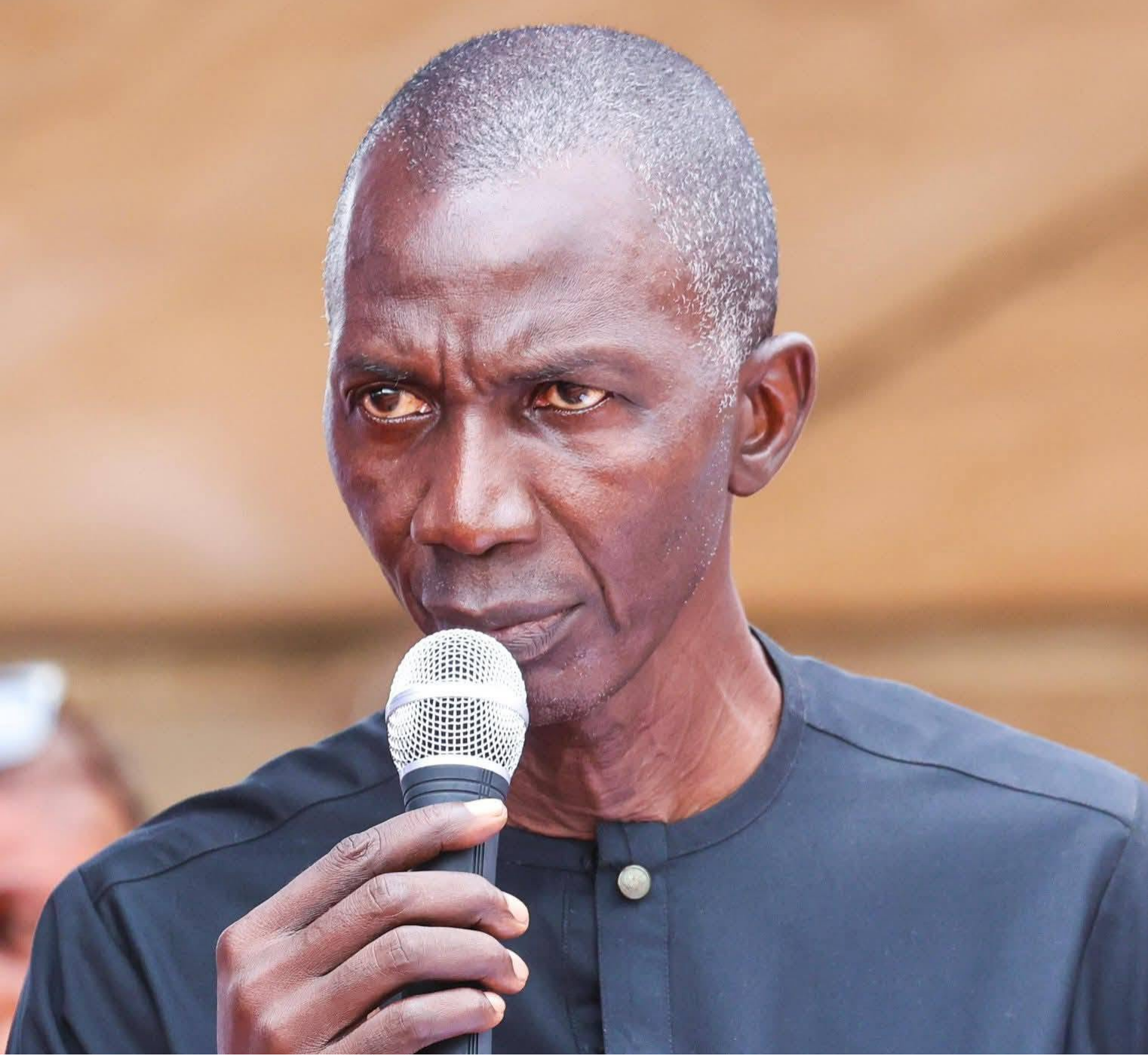
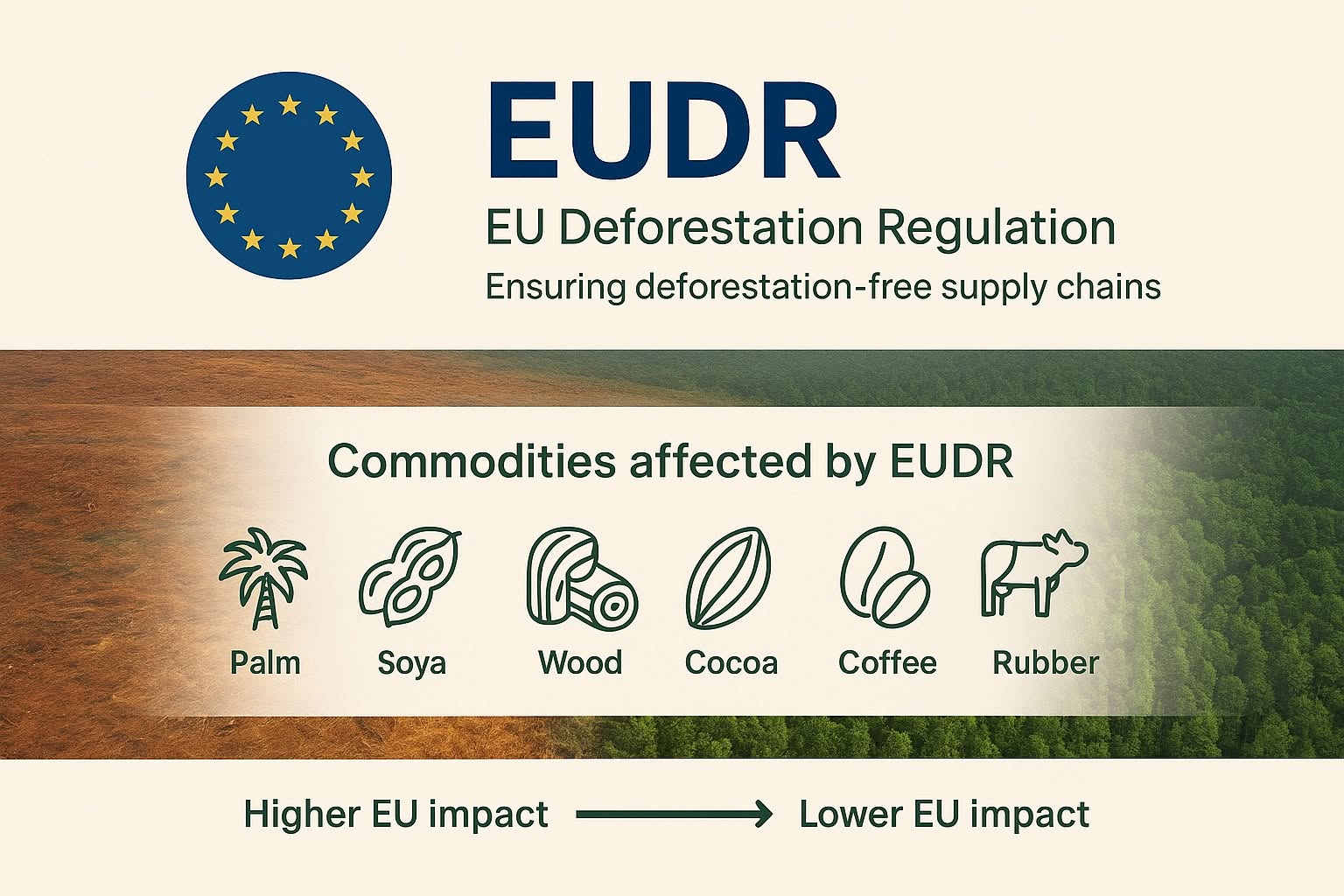
Former Acting D8irector General of the Liberia Agriculture Commodity Regulatory Authority (LARCA), Dan T. Sayee, has sounded a stark warning that Liberia faces a potentially catastrophic economic setback unless it urgently complies with the European Union Deforestation Regulation (EUDR) before the December 31, 2026 deadline.
Sayee cautioned that compliance with the EUDR is not optional and should not be viewed as a matter of political discretion or international goodwill. Rather, he stressed, it is a mandatory global trade requirement that will determine whether Liberian agricultural commodities retain access to one of the world's most lucrative export markets.
According to him, failure to achieve compliance by the deadline, could cost Liberia an estimated US$400 million in annual agricultural export revenue, delivering a severe blow to the country's economy at a time when agriculture remains a key pillar of national development.
The warning comes as Liberia races against time to satisfy the stringent traceability and sustainability standards required under the European Union's anti-deforestation framework, which seeks to prevent products linked to deforestation from entering European markets.
Sayee warned that the consequences would extend far beyond government revenue.
He warns, between 10,000 and 20,000 farming families could lose their primary source of income if Liberian agricultural products are denied entry into European markets, a development that could deepen rural poverty, worsen food insecurity and trigger widespread economic hardship across farming communities.
"The implications are enormous," Sayee cautioned. "Making Liberia EUDR compliant is not a choice or a favor. It is a mandatory global compliance requirement."
He warned that losing access to the European market would undermine the government's efforts to transform agriculture under Pillar I of the ARREST Agenda, which prioritizes food security, agricultural productivity and rural economic empowerment.
Without reliable international markets, Sayee argued, Liberia's strategy to attract investment into commercial agriculture could be seriously undermined.
"What is the logic of attracting agricultural investment when farmers will have no market to sell their produce?" he asked, describing market access as the lifeblood of sustainable agricultural growth.
Analysts say, the EUDR presents one of the most significant regulatory shifts confronting Liberia's agricultural sector in recent years, requiring stronger commodity traceability systems, improved land-use governance and greater collaboration among government institutions, exporters and farmers.
Sayee urged the government, regulators, development partners and private-sector stakeholders to accelerate preparations to ensure Liberia does not miss the critical deadline.
He disclosed that Creative Agriworld, a subsidiary of Creative Investment Group Africa (CIGA), will continue working with national and international partners to support Liberia's compliance efforts and help safeguard the country's agricultural exports.
With the December deadline fast approaching, industry observers warn that Liberia's readiness for EUDR compliance could determine whether the country strengthens its foothold in global agricultural markets—or suffers one of the most costly export disruptions in its recent history.

Towards Economic Empowerment And Reconciliation