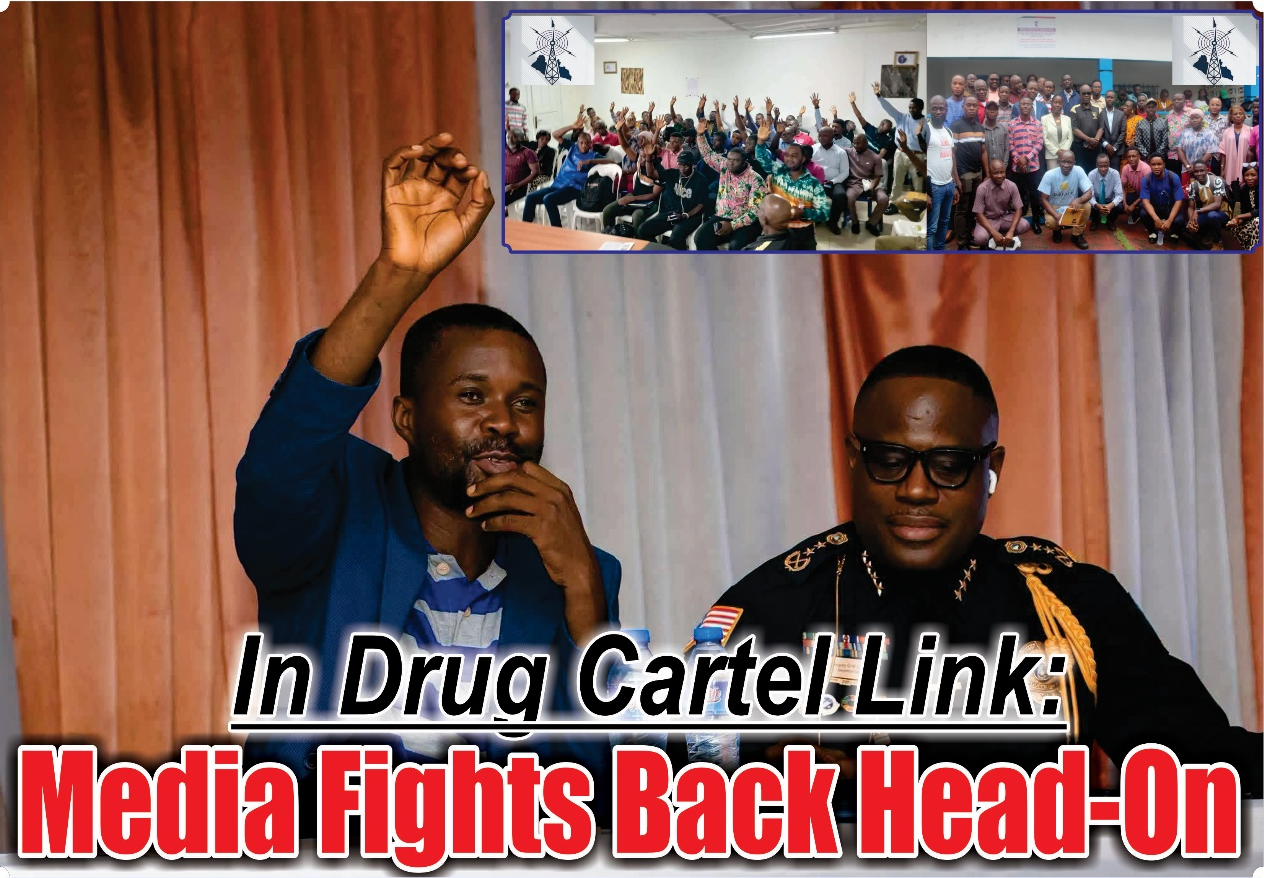
MONROVIA: Liberia's Press Union has challenged the Boakai administration to produce evidence backing explosive claims that drug traffickers financed sections of the media, warning of consequences if the allegations remain unsubstantiated.
The PUL has issued a 72-hour ultimatum to the Boakai administration to publicly produce evidence supporting allegations that members of an international drug cartel paid sections of the Liberian media to manipulate public opinion and obstruct investigations into the country's record cocaine seizure.
The Union warned Thursday that failure to substantiate the allegations would trigger "appropriate actions" to defend the credibility, independence and integrity of journalism in Liberia.
The ultimatum follows a controversial statement by Inspector General of Police, Gregory Coleman, during a government security briefing at the Ministry of Information, where he alleged that Drug Trafficking Organizations (DTOs) had infiltrated sections of the media using proceeds from the illicit drug trade.
The briefing formed part of an update by the Government of Liberia's Joint National Security Investigation Team on the ongoing investigation into the seizure of more than US$300 million worth of cocaine.
Addressing journalists, Coleman claimed, the drug trafficking syndicates possessed virtually unlimited financial resources and had already deployed them to influence media narratives.
"We've been able to verify and establish that they have infused monies into the media to change the narrative, distract the key players in the investigation, and sow a serious seed of discord. That is not just hurting the investigations, it is hurting the nation," Coleman declared.
The PUL described the statement as reckless, dangerous and a sweeping indictment of Liberia's media, insisting that such a grave allegation cannot remain without proof.
According to the Union, the Police Inspector General is under both a legal and moral obligation to publicly identify the alleged drug cartel members and the journalists or media institutions purportedly involved in the scheme.
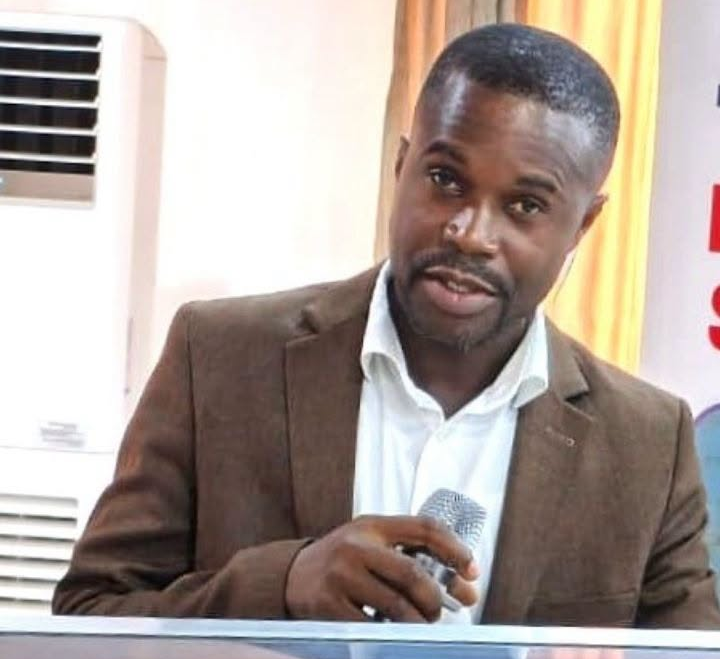
"The Police IG, having made this grave claim, is under obligation to reveal the names of members of the drug cartel and the media allegedly involved in such pay-to-play transactions at the detriment of the public interest and the security of Liberia," PUL President Julius Kanubah said.
In a release issued Thursday immediately after the allegation, the Union stressed that allegations of such magnitude, made on an official government platform before the country's top security leadership—including Justice Minister and Attorney General Cllr. Oswald Tweh, Executive Protection Service Director Sam Gaye, Liberia Drug Enforcement Agency Officer-in-Charge Fitzgerald Biago, and Information Minister Jerolinmek Piah—cannot simply be left unverified.
While Information Minister Jerolinmek Piah later sought to clarify that Coleman was not referring to the Liberian media as a whole, the PUL argued that the clarification falls far short of addressing the damage caused by the initial statement.
According to the Union, the government remains duty-bound to disclose the identities of any media practitioner or institution allegedly implicated, if it indeed possesses credible evidence.
Kanubah also questioned why law enforcement authorities have failed to arrest and prosecute both the alleged cartel operatives and any compromised media actor if the transactions cited by the Police Inspector General actually occurred.
The PUL maintained that journalism cannot be subjected to unsubstantiated accusations that place reporters and media institutions at risk, undermine public confidence in the press, and erode the democratic principles of accountability and free expression.
The Union further observed that this is not the first occasion on which officials of the Boakai administration have leveled sweeping accusations against the Liberian media, particularly at moments when journalists have intensified scrutiny of government institutions and the handling of major national issues.
It noted that the latest allegations come amid heightened public attention surrounding the ongoing investigation into Liberia's unprecedented cocaine seizure, a case in which some senior security officials have themselves faced public scrutiny and allegations of misconduct.
Concluding its statement, the PUL reaffirmed that unless the government publicly presents credible evidence within 72 hours, it will pursue appropriate measures to defend press freedom and protect the reputation of Liberia's media.
The statement was signed by PUL President, Julius Kanubah.
Towards Economic Empowerment And Reconciliation