Ebola Alert! -Liberia Heightens Public Health Vigilance
Health |
👁 20 Views
|
October 22, 2026
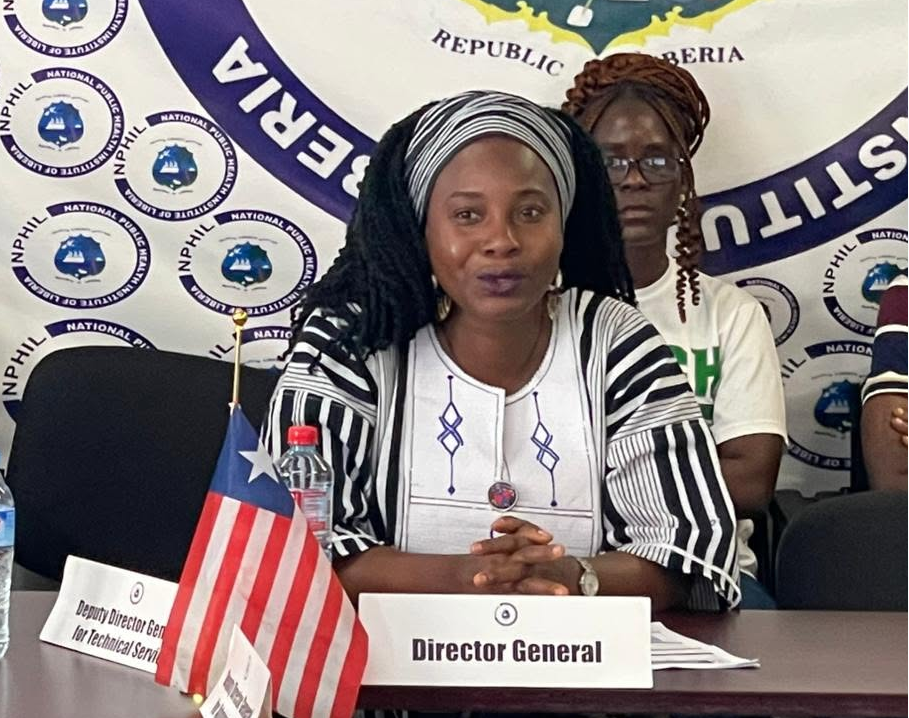
MONROVIA: Liberia’s health authorities are heightening vigilance against a potential Ebola threat following reports of new cases in Kenya, prompting the National Public Health Institute of Liberia (NPHIL) to assess preparedness measures at Roberts International Airport (RIA), the country’s principal international gateway.
Interim Director General of NPHIL, Dr. Sia Wata Camanor, toured the airport to evaluate existing safeguards and determine the country’s readiness to detect, contain and respond promptly to any potential Ebola Virus Disease (EVD) threat.
The assessment comes as Liberia remains acutely conscious of the devastating consequences of its 2014–2016 Ebola epidemic, which claimed thousands of lives, overwhelmed health facilities, disrupted economic activities and exposed critical weaknesses in the country’s public health infrastructure.
For a country still marked by the painful memories of that national tragedy, the reports from Kenya underscore the importance of early detection, heightened surveillance and coordinated emergency preparedness. Health authorities are treating the situation with urgency, recognizing that any delay in identifying and containing a suspected case could carry serious public health consequences.
During the tour, Dr. Camanor and the NPHIL team assessed passenger screening arrangements, infection prevention and control (IPC) protocols, emergency response procedures and other public health safeguards designed to identify and manage suspected cases at the point of entry.
The exercise forms part of NPHIL’s ongoing efforts, in collaboration with the Ministry of Health and relevant partners, to reinforce disease surveillance, strengthen border-health security and ensure that Liberia remains prepared to respond to emerging infectious disease threats.
At the center of the assessment, is the need to ensure that frontline personnel can recognize potential warning signs, activate established reporting mechanisms, apply appropriate infection-control measures and coordinate rapidly with public health authorities when a suspected case is identified.
Dr. Camanor emphasized the importance of sustained vigilance, effective inter-agency coordination and strict adherence to established public health protocols at all points of entry.
The airport assessment also highlights the strategic importance of RIA in Liberia’s national health-security architecture.
As the country’s principal international gateway, the facility plays a critical role in surveillance, early warning and the rapid referral of travelers who may require further medical evaluation.
NPHIL is urging travelers, airport authorities and the general public to remain alert and follow official public health guidance.
The institute’s preparedness efforts are intended to strengthen Liberia’s capacity to identify potential threats early and prevent the introduction or spread of dangerous infectious diseases.
Liberia’s heightened vigilance is rooted in its painful experience with the 2014–2016 West African Ebola epidemic, one of the deadliest outbreaks of the disease in history.
Liberia, Guinea and Sierra Leone bore the brunt of the regional crisis, which exposed serious weaknesses in health systems and demonstrated how quickly an infectious disease outbreak can overwhelm communities when detection, containment and public cooperation are inadequate.
Liberia recorded approximately 10,678 Ebola cases and 4,810 deaths during the epidemic. Healthcare workers, patients and ordinary citizens were among the victims, while fear, stigma and misinformation complicated efforts to contain transmission.
The outbreak also disrupted schools, commercial activities, travel and, routine healthcare services. Hospitals and treatment centers came under extraordinary pressure, while shortages of trained personnel, protective equipment and adequate isolation facilities heightened the risks facing frontline workers.
Liberia was declared free of Ebola transmission on several occasions during the crisis, only to experience subsequent flare-ups. The outbreak was finally declared over in June 2016, reinforcing the lesson that surveillance and preparedness must continue even after transmission appears to have been interrupted.
The wider West African experience demonstrated that Ebola does not respect national borders. Frequent population movement, cross-border commerce and close social ties among neighboring countries can complicate containment efforts, making regional information-sharing and coordinated public health responses indispensable.
Subsequent Ebola outbreaks in Guinea and the Democratic Republic of the Congo further underscored the need for resilient health institutions, reliable laboratory testing, rapid contact tracing and, effective emergency-response systems.
Against this historical background, NPHIL’s assessment at RIA represents an important preventive step in safeguarding Liberia against potential public health emergencies.
However, effective preparedness extends beyond screening passengers. It also requires trained frontline personnel, adequate protective equipment, established referral pathways, laboratory diagnostic capacity, emergency coordination and the ability to safely isolate and investigate suspected cases when necessary.
Public cooperation is equally important. Travelers and residents should rely on verified information from health authorities, promptly report relevant symptoms or exposure concerns to qualified health professionals, and avoid spreading unconfirmed reports that could generate unnecessary panic.
While reports of Ebola cases elsewhere do not, by themselves, establish an outbreak in Liberia, the country’s devastating history makes complacency an unacceptable risk.
For NPHIL and its partners, the priority is to sustain heightened vigilance, strengthen surveillance at points of entry and ensure that the lessons of the 2014–2016 epidemic continue to guide national preparedness.
For Liberia, the message is clear: early detection, rapid response and public cooperation remain the first line of defense against another Ebola catastrophe.
Meanwhile, latest updates from health authorities have disclosed that, following the confirmation of an Ebola case in Nigeria and the ongoing Bundibugyo Ebola outbreak, all health facilities, border entry points, public buildings and other institutions across Liberia have been directed to strengthen screening measures and strictly enforce Infection Prevention and Control (IPC) protocols with immediate effect.
The directive underscores growing concerns over the regional public health situation and the need for heightened vigilance in Liberia, which continues to bear the painful memories of the devastating 2014–2016 Ebola epidemic that claimed thousands of lives and severely strained the country’s fragile healthcare system.
Under the reinforced measures, institutions are required to ensure that functional hand-washing stations equipped with soap and water, or appropriate hand sanitizers, are available at entrances to promote hand hygiene and reduce the risk of disease transmission.
Health facilities and other designated institutions must also strengthen symptom screening and assess relevant travel and exposure histories in accordance with national public health guidance.
Authorities have emphasized that temperature checks alone are insufficient to identify potential cases, making comprehensive screening and timely reporting essential components of early detection.
The directive further calls for strict adherence to established IPC standards, including proper hand hygiene, the use of appropriate personal protective equipment (PPE), routine environmental cleaning and the safe disposal of medical and other potentially contaminated waste.
Health authorities have also stressed the importance of immediately separating suspected cases from other patients and members of the public, notifying the relevant County Health Teams and the National Public Health Institute of Liberia (NPHIL), and arranging safe referrals through designated channels.
To strengthen frontline preparedness, facility managers and institutional authorities are expected to ensure adequate supplies of infection-control materials and provide refresher training for personnel responsible for screening, patient care and emergency response.
County health authorities, border officials, facility heads and institutional managers have been directed to oversee the implementation of these measures and promptly report operational gaps requiring technical, logistical or material support.
The public has also been urged to remain vigilant, observe recommended preventive measures and cooperate fully with health authorities as the country strengthens its defenses against potential public health threats.
Authorities have assured the public that timely and accurate updates will continue to be disseminated through official communication channels as the regional situation evolves.
For Liberia, the renewed emphasis on surveillance and infection control carries particular significance given the devastating lessons of the previous Ebola crisis, which demonstrated the importance of early detection, coordinated emergency response, public cooperation and strict adherence to established health protocols in preventing an outbreak from escalating into a national emergency.