CBL Tightens Dollar Liquidity -Holds Policy Rate at 16%, Raises Dollar Reserve Requirement to 12%
Economy |
👁 2 Views
|
October 09, 2026

MONROVIA: The Central Bank of Liberia (CBL) has maintained its key policy rate at 16 percent while raising reserve requirements on United States dollar deposits, citing inflation risks, dollarization and global uncertainty.
While maintaining its Monetary Policy Rate (MPR) at 16 percent, the bank has introduced tighter requirements on United States dollar deposits as part of efforts to strengthen monetary policy transmission, manage liquidity and reduce vulnerabilities associated with Liberia’s high level of financial dollarization.
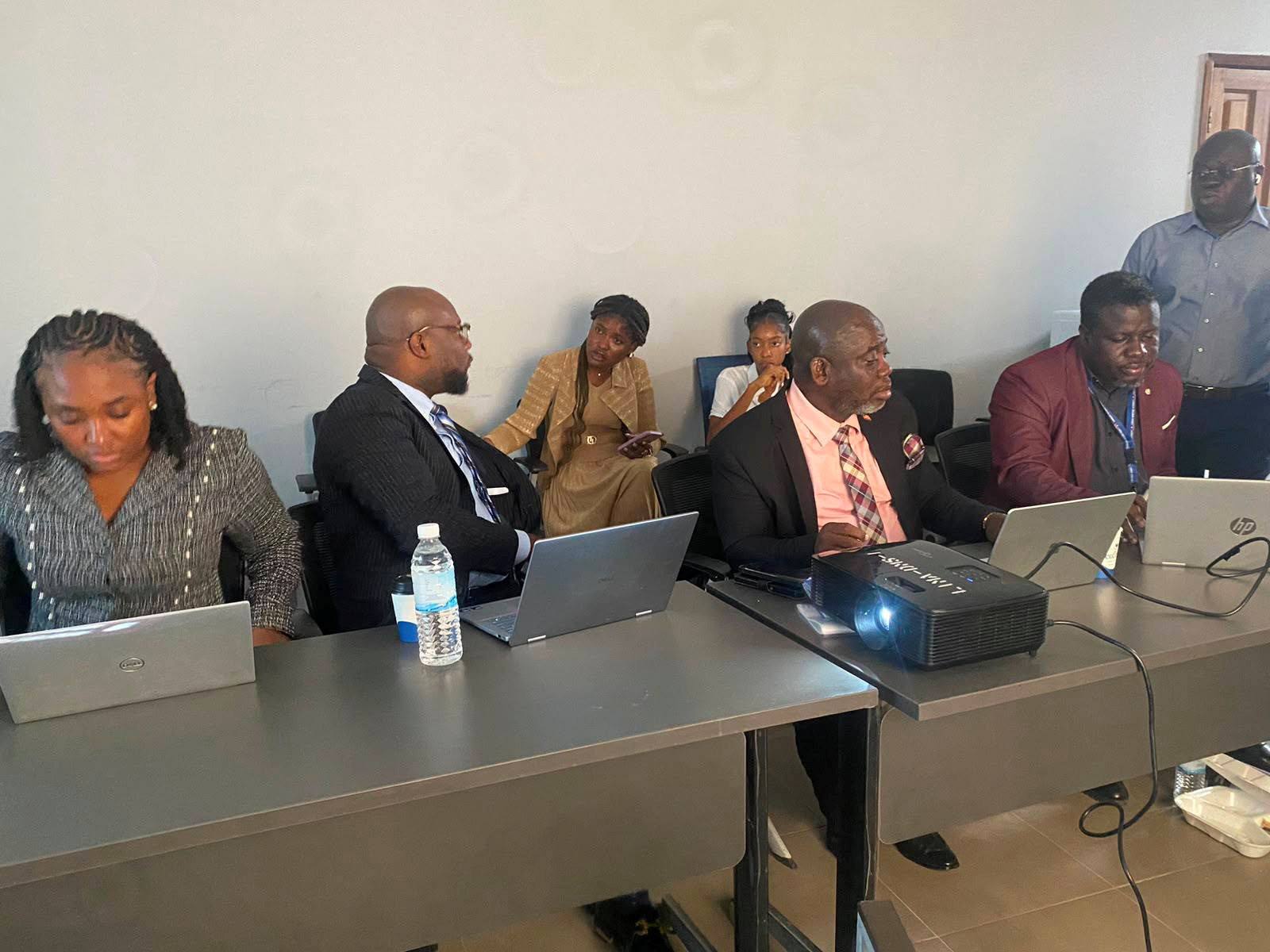
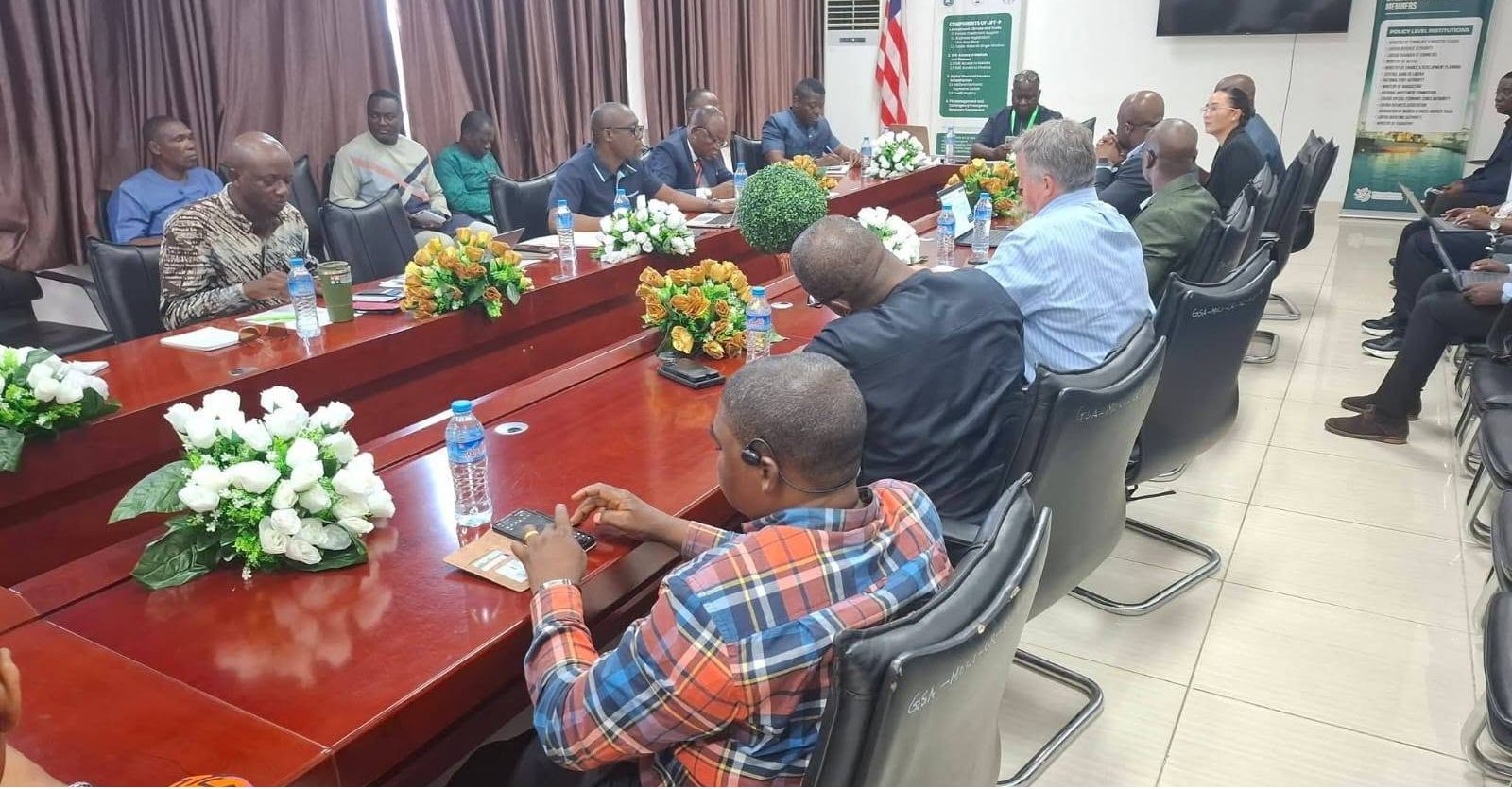
The decision was reached Tuesday, October 6, 2026, during a meeting of the Monetary Policy Committee (MPC), which reviewed global and domestic economic conditions, inflationary pressures, foreign-exchange market developments and the health of the banking sector.
Under the new measure, the reserve requirement on United States dollar deposits has increased from 10 percent to 12 percent, representing a two-percentage-point rise.
For Liberian-dollar deposits, however, the reserve requirement remains unchanged at 25 percent.
Although Liberia’s macroeconomic indicators have improved, monetary authorities remain cautious about emerging risks, particularly the country’s dependence on the United States dollar, elevated non-performing loans, international price pressures and geopolitical uncertainty.
Maintaining the MPR at 16 percent, according to the CBL, will preserve what it described as a “prudent and appropriately restrictive monetary policy stance.”
The communique said, the policy is intended to “sustain recent gains in macroeconomic stability, preserve exchange-rate stability, anchor inflation expectations, strengthen confidence in the financial system, and support sustainable economic growth.”
One of the most encouraging developments highlighted by policymakers, is the continued moderation of inflation.
Headline inflation declined to an estimated 4.5 percent, down from 5.4 percent in the previous quarter.
Improved exchange-rate stability, prudent monetary management and favorable domestic price developments were identified as major factors behind the decline.
Inflation is expected to remain relatively stable at approximately 4.6 percent during the fourth quarter of 2026, according to the communique, keeping it comfortably within the Bank’s medium-term tolerance range.
CBL welcomed the decline as evidence that recent monetary measures are helping stabilize prices and protect the purchasing power of households and businesses.
“The committee welcomed this continued moderation in inflation as evidence that recent policy measures are contributing to greater price stability and helping preserve the purchasing power of Liberian households and businesses,” the communique stated.
International uncertainty, however, continues to pose challenges, particularly through rising energy costs, commodity-price volatility and tighter global financial conditions.
Despite those risks, Liberia’s economic performance remains broadly positive, with real Gross Domestic Product growth projected at 5.5 percent in 2026, up from 5.1 percent in 2025.
Stronger performance in mining, manufacturing and services is expected to drive the expansion, reflecting what policymakers view as broadening economic activity and strengthening domestic demand.
Economic activity expanded significantly during the third quarter, while the Composite Index of Economic Activity (CIEA) also recorded substantial improvement.
CIEA’s gap widened from 0.8 percent to 2.7 percent, suggesting higher utilization of productive capacity and continued expansion of domestic economic activity.
“The committee considered these developments to be indicative of broadening economic activity and strengthening domestic demand,” the communique said.
Still, the positive growth outlook does not leave Liberia insulated from external shocks.
A major policy adjustment outside the unchanged benchmark interest rate is the increase in the reserve requirement on United States dollar deposits.
Managing monetary conditions remains particularly challenging because of Liberia’s high level of financial dollarization. Raising the reserve requirement, is intended to give monetary authorities greater leverage over liquidity while addressing structural weaknesses associated with dollar dominance in the financial system.
The requirement has consequently risen from 10 percent to 12 percent. The measure, according to the CBL, will “strengthen monetary policy transmission, enhance liquidity management, strengthen financial sector resilience, and support the gradual reduction of structural vulnerabilities associated with Liberia’s high level of financial dollarization.”
Commercial banks will consequently be required to hold a larger proportion of their United States dollar deposits as reserves, rather than making those funds available for lending.
That adjustment could affect liquidity and credit conditions within the banking sector, even as regulators seek to strengthen the resilience of financial institutions.
Liberia’s banking industry remains stable, adequately capitalized and highly liquid, according to the latest assessment.
Capital Adequacy Ratio stood at 38.64 percent, substantially above the regulatory minimum of 10 percent.
Liquidity also remained strong, with the banking system’s liquidity ratio rising to 58.71 percent, well above the statutory minimum requirement of 15 percent.
Those indicators point to significant financial buffers and resilience across the banking sector.
However, non-performing loans (NPLs) remain a major concern.
NPLs stood at 13.38 percent, exceeding the prudential benchmark of 10 percent.
Elevated bad loans, the CBL warned, could become a medium-term threat to financial stability while limiting banks’ ability to extend credit to productive sectors.
MPC consequently reaffirmed its support for implementation of the National Strategy for Non-Performing Loan Resolution, together with related legal, judicial and institutional reforms.
Resolving bad loans, the Bank said, is essential to improving credit discipline, expanding access to finance, supporting entrepreneurship, strengthening domestic production and creating jobs.
Another concern is the concentration of bank lending. Credit allocation remains heavily focused on trade, services and personal lending, while agriculture, manufacturing and other productive sectors continue to require greater access to financing.
Expanding credit to productive sectors, monetary authorities emphasized, is critical to economic diversification, food security and sustainable growth.
For Liberia, where economic diversification remains a longstanding policy challenge, broader access to affordable financing could have significant implications for farmers, manufacturers and entrepreneurs.
Greater domestic financing could stimulate production, create employment and reduce dependence on imported goods.
Liberia’s public debt position also improved during the review period. Public debt declined from 49.6 percent to 43.3 percent of GDP, a level the CBL described as broadly sustainable.
Prudent fiscal management and stronger coordination between fiscal and monetary authorities, however, remain necessary to safeguard macroeconomic stability and debt sustainability, particularly amid heightened global uncertainty.
On the external front, export earnings improved, but higher import payments contributed to a widening trade deficit.
Gross international reserves stood at 3.3 months of prospective import cover, remaining above the ECOWAS benchmark of three months.
Although reserve coverage declined from the previous quarter, current levels are considered adequate to provide an important buffer against external shocks.
Strong reserve buffers, stable remittance inflows and improved exchange-rate conditions continue to support macroeconomic stability and mitigate imported inflationary pressures.
Liberia’s positive domestic outlook remains exposed to significant international risks.
MPC identified escalating geopolitical tensions, higher global energy prices, commodity-price volatility, persistent global inflation, tighter international financial conditions and slower growth among major trading partners as key external threats.
Domestic vulnerabilities include elevated non-performing loans, high financial dollarization, potential fiscal slippages and structural constraints affecting production and supply conditions.
CBL said, it will continue monitoring these developments and assessing their implications for inflation, exchange-rate stability, economic growth and financial-sector resilience.
Liberia’s near-term economic outlook remains favorable, supported by stronger economic activity, improving macroeconomic fundamentals, moderate inflation and continued confidence in the domestic financial system.
“The Monetary Policy Committee remains confident that Liberia’s economic outlook is favorable. Inflation remains contained, growth is strengthening, and the financial sector continues to demonstrate resilience,” the communique stated.
Significant uncertainties nevertheless remain, prompting the Bank to maintain a cautious policy posture.
Current monetary settings, according to the CBL, are “appropriately calibrated” to preserve macroeconomic stability while creating conditions for sustainable and inclusive economic growth.
The October policy decision sends a dual message: Liberia’s economy is improving, but monetary authorities are not prepared to lower their guard.
Keeping the policy rate at 16 percent, signals continued caution over inflation and exchange-rate stability, while the higher dollar reserve requirement represents a targeted intervention aimed at managing liquidity and addressing financial dollarization.
CBL reaffirmed its commitment to preserving price stability, maintaining confidence in the financial system, supporting exchange-rate stability and promoting inclusive economic growth.
“The Committee stands ready to take additional policy measures, if required, to safeguard macroeconomic stability and protect the welfare of the Liberian people,” the Bank declared.
Meanwhile, the next Monetary Policy Committee meeting is scheduled for Wednesday, January 20, 2027, when policymakers are expected to reassess inflation, economic growth, liquidity, exchange-rate conditions and the broader financial-sector outlook.