MONROVIA: The Liberia Revenue Authority (LRA) has pledged to deepen its partnership with civil society organizations (CSOs) in an effort to strengthen taxpayer education, voluntary compliance, transparency, and sustainable domestic revenue mobilization.
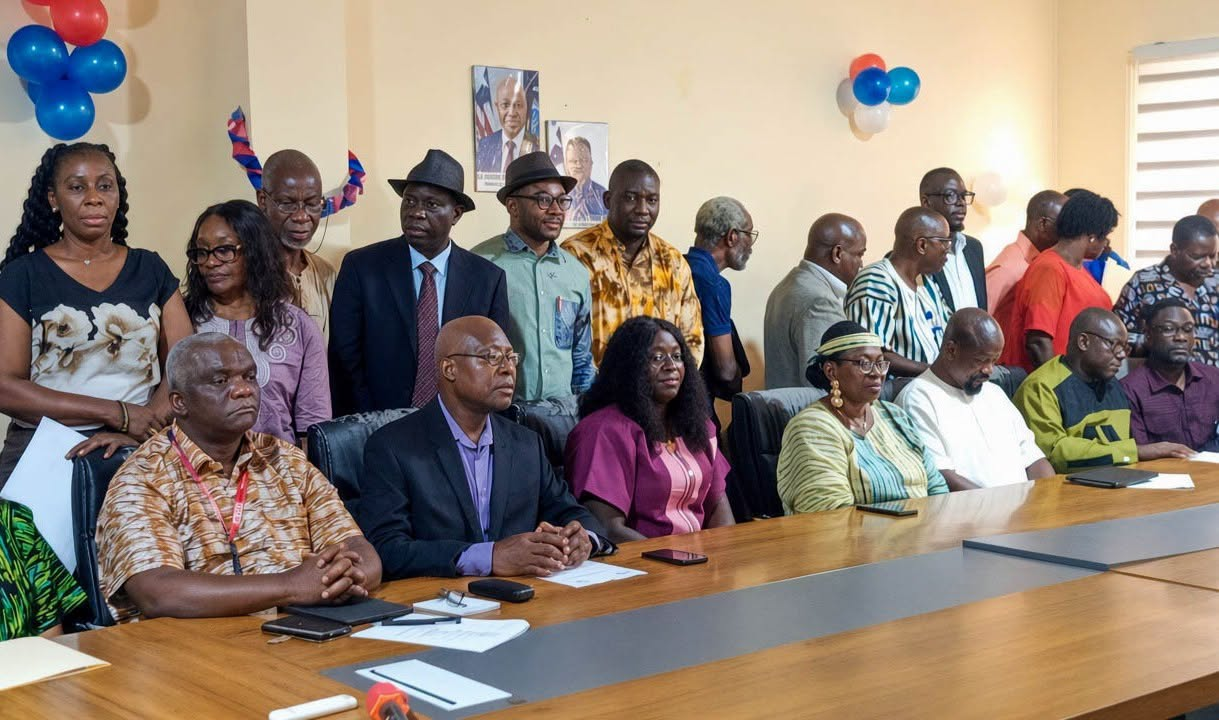
LRA Commissioner General, James Dorbor Jallah made the commitment over the weekend during the official launch of the government–civil society organizations (GOL–CSO) Accord and Partnership Policy Framework Implementation Strategy at the Governance Commission in Monrovia.
The implementation strategy establishes a structured framework for government-CSO collaboration, with the ambitious goal of increasing implementation of the Partnership Policy from approximately 20 percent to 80 percent by 2027.
It also provides for the establishment of a Civil Society Trust Fund, an annual National Partnership Summit, a Partnership Policy Technical Working Group, and decentralized registration and accreditation mechanisms for civil society organizations.
Speaking at the launch, Commissioner General Jallah underscored the role of civil society in promoting accountability, public awareness, responsible citizenship, and effective public-sector engagement.
He described Liberia’s achievement of surpassing US$1 billion in domestic revenue collection during Fiscal Year 2026 as a collective national accomplishment, attributing the milestone to the contributions of taxpayers, businesses, importers, employees, and other stakeholders.
Jallah, however, stressed that maintaining the momentum in domestic revenue generation would require greater public confidence in the tax system and stronger voluntary compliance.
He identified Value Added Tax (VAT), real estate taxation, customs integrity, and the modernization of tax and customs systems as key priorities for improving revenue administration and broadening the domestic tax base.
Ahead of the introduction of VAT on January 1, 2027, the Commissioner General disclosed that the LRA is working with the Governance Commission to implement a nationwide public education campaign aimed at helping traders, businesses, consumers, and other taxpayers understand the new tax regime, including their rights and obligations.
He said, CSOs would be critical partners in extending taxpayer education into communities, encouraging compliance, identifying potential revenue leakages, and strengthening public oversight of the revenue system.
“Taxation and civic engagement are two sides of the same social contract,” Jallah said, emphasizing that citizens are more likely to comply with their tax obligations when they understand how public revenue is generated and how it supports national development.
Under the partnership framework, the LRA outlined three major commitments.
First, the Authority will expand taxpayer education and engagement with CSOs and communities across all 15 counties. Second, it will support simplified registration and compliance processes by integrating Taxpayer Identification Number (TIN) registration into the CSO registration and accreditation process, while promoting timely payroll tax withholding and filing.
Third, the LRA will strengthen transparency around tax exemptions by establishing clear eligibility requirements and timelines for qualifying organizations and introducing safeguards against the misuse of duty-free privileges.
Jallah also encouraged civil society organizations to subject the LRA’s operations to constructive scrutiny and report suspected integrity breaches.
He said, stronger public oversight would help improve accountability within the revenue administration system and reinforce confidence between taxpayers and the state.
The LRA’s commitments come as the Authority seeks to consolidate recent gains in domestic resource mobilization, improve taxpayer engagement, broaden compliance, and strengthen the efficiency and integrity of tax and customs administration.
The launch brought together representatives of government institutions, CSOs, development partners, faith-based organizations, and other stakeholders, signaling a broader effort to institutionalize collaboration between the government and civil society in support of Liberia’s development agenda.

Towards Economic Empowerment And Reconciliation