MONROVIA: The Center for Transparency and Accountability in Liberia (CENTAL) has commended the Boakai administration for taking decisive action against several state officials implicated in Liberia's unfolding narcotics scandal.
Nevertheless, CENTAL insists that the government's anti-drug campaign will only earn lasting public confidence if investigations are conducted transparently, independently and without shielding anyone linked to the country's largest cocaine seizures. Battlefront is front line where opposing armies meet in combat.
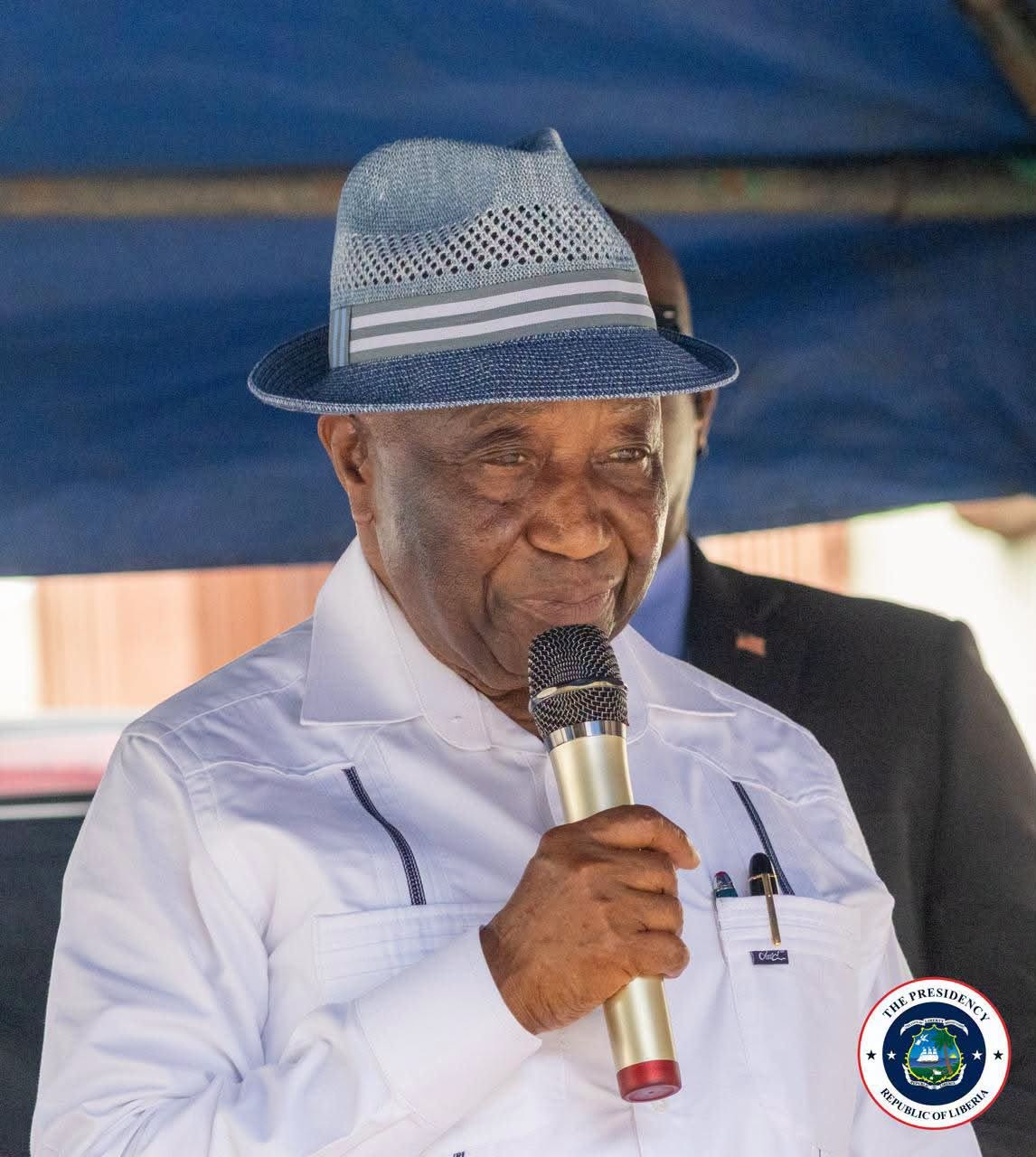
In a press statement issued Wednesday, August 5, 2026, CENTAL praised President Joseph Nyuma Boakai for ordering the suspension, dismissal and prosecution of government and security officials allegedly connected to the country's unprecedented drug trafficking investigations.
However, the anti-corruption watchdog cautioned that removing officials alone will not dismantle the entrenched criminal networks that allowed massive quantities of cocaine to enter Liberia.
The statement follows two major cocaine seizures that have shaken the nation and exposed glaring vulnerabilities within Liberia's security architecture.
Authorities intercepted approximately 238 kilograms of cocaine, valued at about US$19 million, at the Roberts International Airport in June, before uncovering another four metric tons of cocaine worth an estimated US$317 million in July, bringing the combined value of the seizures to more than US$336 million—the largest narcotics haul in Liberia's history.
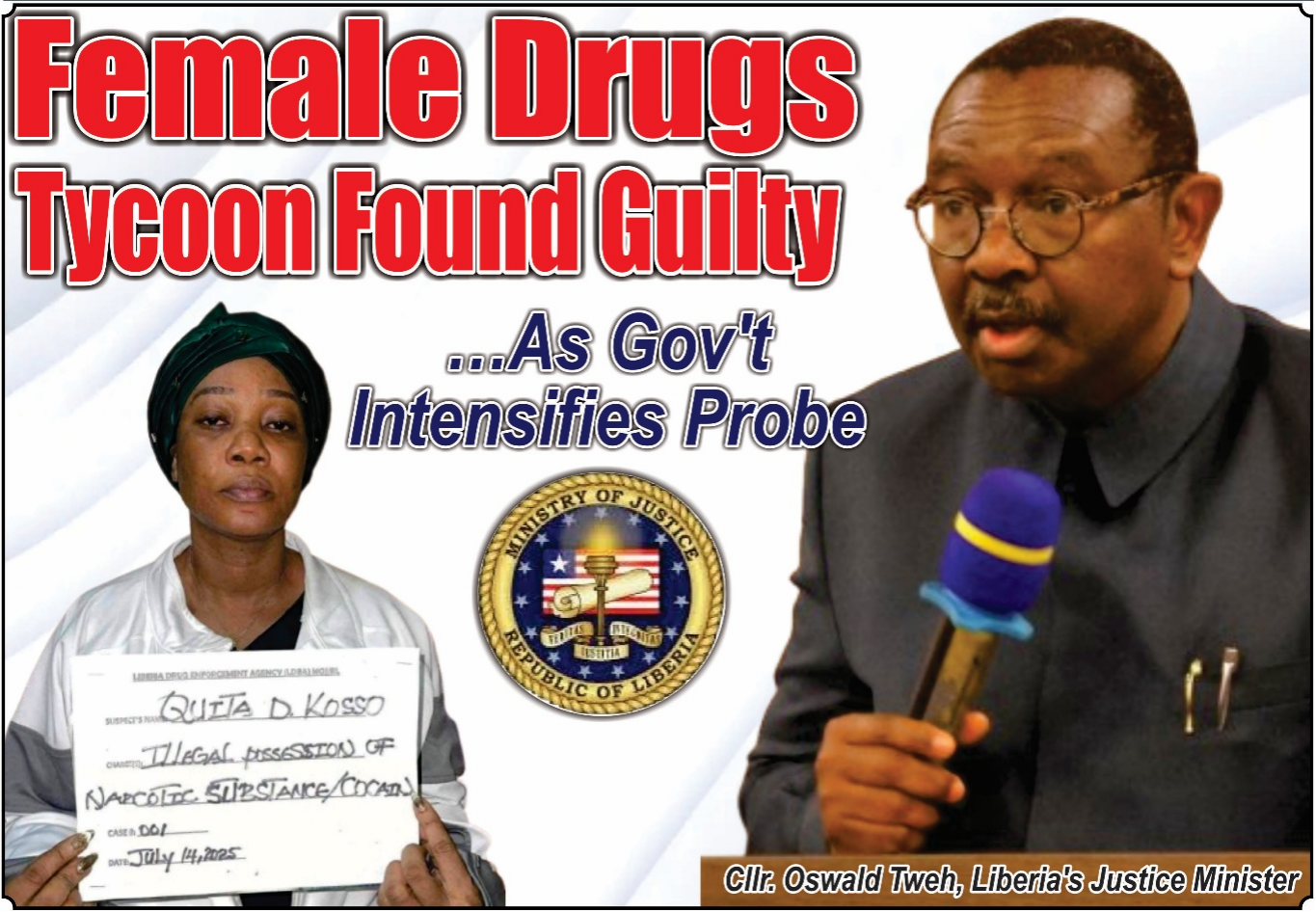
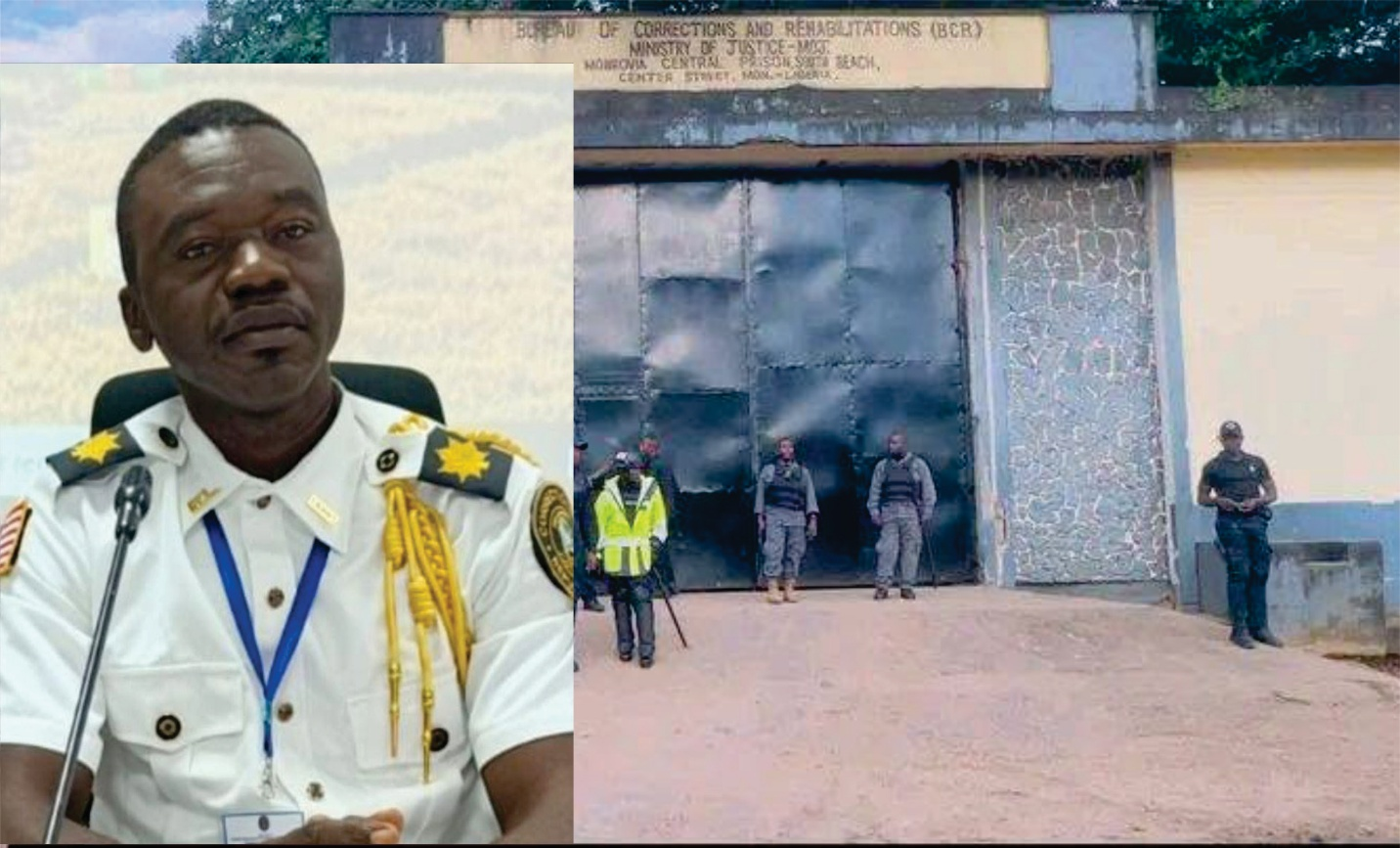
Those investigations have already led to disciplinary actions against several government officials and security personnel, including senior officers assigned at the Roberts International Airport, the Liberia National Police, the Liberia Drug Enforcement Agency (LDEA) and the National Security Agency (NSA).
While applauding those actions, CENTAL stressed that the real challenge lies beyond arrests and dismissals.
"CENTAL applauds members of the joint security for pursuing the investigation and the President for acting rather than shelving the findings from these investigations," the organization declared.
The watchdog also credited Liberia's independent media, civil society organizations and ordinary citizens for sustaining public pressure that forced authorities to disclose the identities of persons of interest.
"That sequence—media and citizens' pressure producing disclosure and disclosure producing actions—is civic accountability working as it should," the statement said.
Despite those developments, CENTAL warned that the discoveries reveal far deeper institutional failures that cannot be addressed merely by replacing officials.
The organization argued that narcotics shipments of such magnitude could not have passed through Liberia's ports, airports and borders without the existence of coordinated criminal networks operating within state institutions.
"Narcotics of such quantity do not transit a country whose borders, seaports and airports are functioning without compromises and collusive networks that make them possible," CENTAL stated.
According to the organization, the removal of an airport Director of Security, a Deputy Commander of the LDEA stationed at the Roberts International Airport, the Liberia National Police Commissioner responsible for Criminal Investigation and INTERPOL, and a senior National Security Agency official demonstrates that the country's security system suffered multiple points of institutional compromise.
"This is a governance failure before it is a criminal one, and it will not be cured by merely removing individuals," the statement emphasized.
CENTAL expressed deep concern that the unfolding scandal has weakened public confidence in institutions responsible for combating narcotics trafficking and organized crime.
The organization observed that delayed public updates, coupled with growing speculation about the possible involvement of additional influential state and non-state actors, continue to fuel public anxiety.
While describing the government's ongoing efforts as encouraging, CENTAL maintained that they remain insufficient.
The anti-corruption institution called on authorities to provide regular and comprehensive public updates on the status of the investigations, arguing that transparency remains essential to restoring confidence in the justice system.
It also urged the government to strengthen integrity within the security sector by ensuring competitive recruitment, rigorous background vetting and periodic rotation of officers assigned to strategic positions.
According to CENTAL, such reforms would reduce opportunities for familiarity, compromise and undue influence within institutions responsible for safeguarding the country's borders.
The organization further called for the establishment of an inclusive investigative framework involving international partners, civil society organizations and other credible national stakeholders.
CENTAL argued that broader participation would enhance the independence, credibility and objectivity of the ongoing investigations while strengthening public trust in whatever conclusions eventually emerge.
Perhaps its strongest appeal was directed at the government's commitment to impartial justice.
The organization insisted that there must be "no sacred cows" in the anti-drug campaign and urged investigators to pursue every individual connected to the narcotics network, regardless of political affiliation, official position or social status.
"There should be no sacred cows in dealing with the current saga, and all those associated with the crime, be investigated and prosecuted to fully account for their actions," CENTAL declared.
Beyond the narcotics investigation, CENTAL also welcomed Liberia's improved performance under the Extractive Industries Transparency Initiative (EITI).
The organization noted that Liberia achieved an 80 percent score in the 2026 EITI Validation Report, describing the achievement as significant progress toward greater transparency in the country's extractive sector.
CENTAL congratulated the leadership of the Liberia Extractive Industries Transparency Initiative (LEITI) and its Multi-Stakeholder Group for what it described as measurable institutional progress.
However, it cautioned against complacency, pointing to deficiencies identified in the validation report, including inconsistencies in production and revenue reporting, incomplete disclosure of beneficial ownership information, weak data assurance systems and insufficient transparency regarding the environmental and social impacts of mining operations.
"A score is not a reform. It is a measurement of progress at a moment in time," CENTAL cautioned.
The organization urged LEITI to publish a costed and time-bound implementation plan to address the report's recommendations while calling on the Legislature and development partners to provide adequate resources to sustain ongoing reforms.
CENTAL also advocated greater transparency in negotiating, renegotiating and monitoring concession agreements to ensure Liberians receive maximum value from the country's natural resources.
As Liberia confronts what many describe as its gravest narcotics crisis in decades, CENTAL's message underscores growing public expectations that the anti-drug campaign must extend beyond dramatic cocaine seizures and administrative dismissals to produce lasting institutional reforms, transparent investigations and successful prosecutions capable of dismantling the criminal networks behind the country's booming illicit drug trade.

Towards Economic Empowerment And Reconciliation