The Invisible Hand, Moral Hazard And Liberia’s Drug Fight: The Battle Is Just Beginning
Guest Opinion |
👁 3 Views
|
August 03, 2026
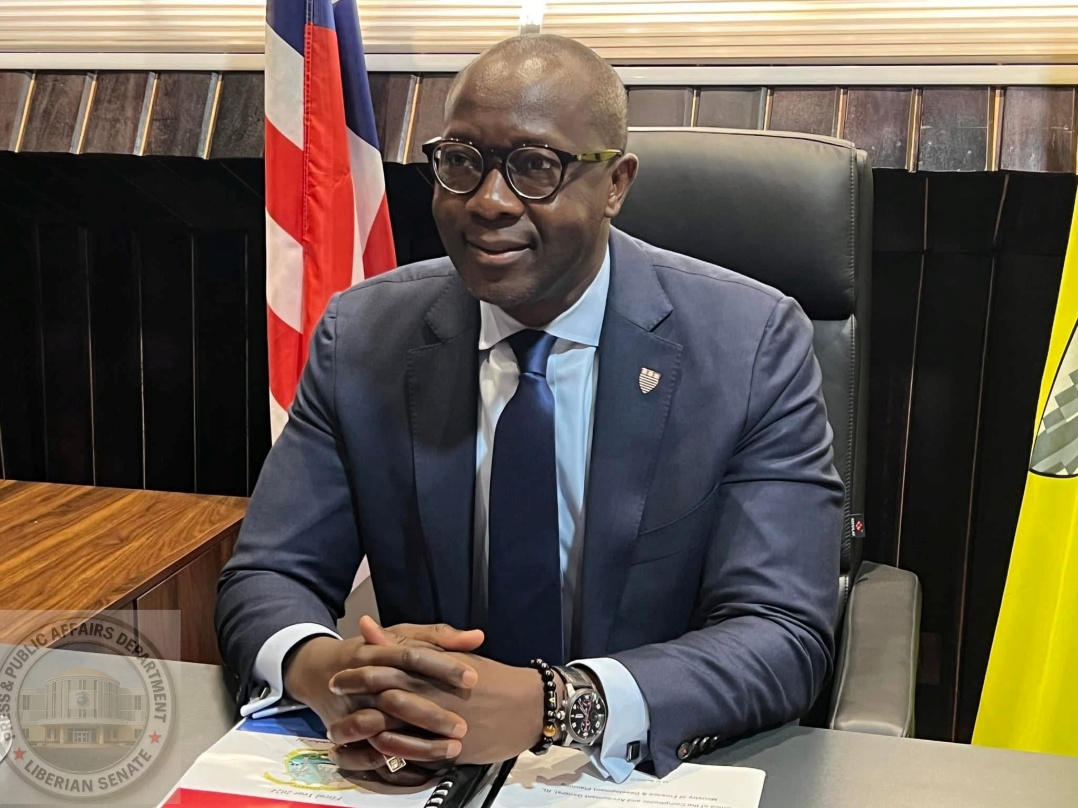
By Senator Amara Konneh
Gbarpolu County, Liberia
August 2, 2026
If you've taken Econ 101 in college, you might remember the concepts of the “invisible hand" and "moral hazard,” two important contrasting economic ideas. Surprisingly, these often overlap in illegal markets like the narcotics trade.
We often think of economics and crime as operating on completely separate levels. However, the recent massive $336 million cocaine bust and interceptions at the Roberts International Airport, followed by the burning of 4.2 metric tons of drugs outside Monrovia, tell a different story. It shows how economic forces play out in the dark underbelly of our society.
Adam Smith described the "invisible hand" as the aggregate effect of our individual self-interest shaping markets. In a twisted way, international drug cartels follow this logic closely. When borders are weak, demand is high, and oversight is poor, the invisible hand of global crime guides multi-ton shipments straight to our shores. They see our country as a logical transit route because the conditions are right.
These same conditions, in turn, give rise to "Moral Hazard," where individuals take big risks because they believe someone else will cover the costs if things go wrong. Some top security and other government officials—some recently charged or dismissed—fell into that trap, believing they could protect or foster drug networks with impunity. They gained short-term benefits while our youth, communities, and the very fabric of our country, including its reputation, suffered long-term consequences. They gambled with our future, feeling shielded by their uniforms or positions.
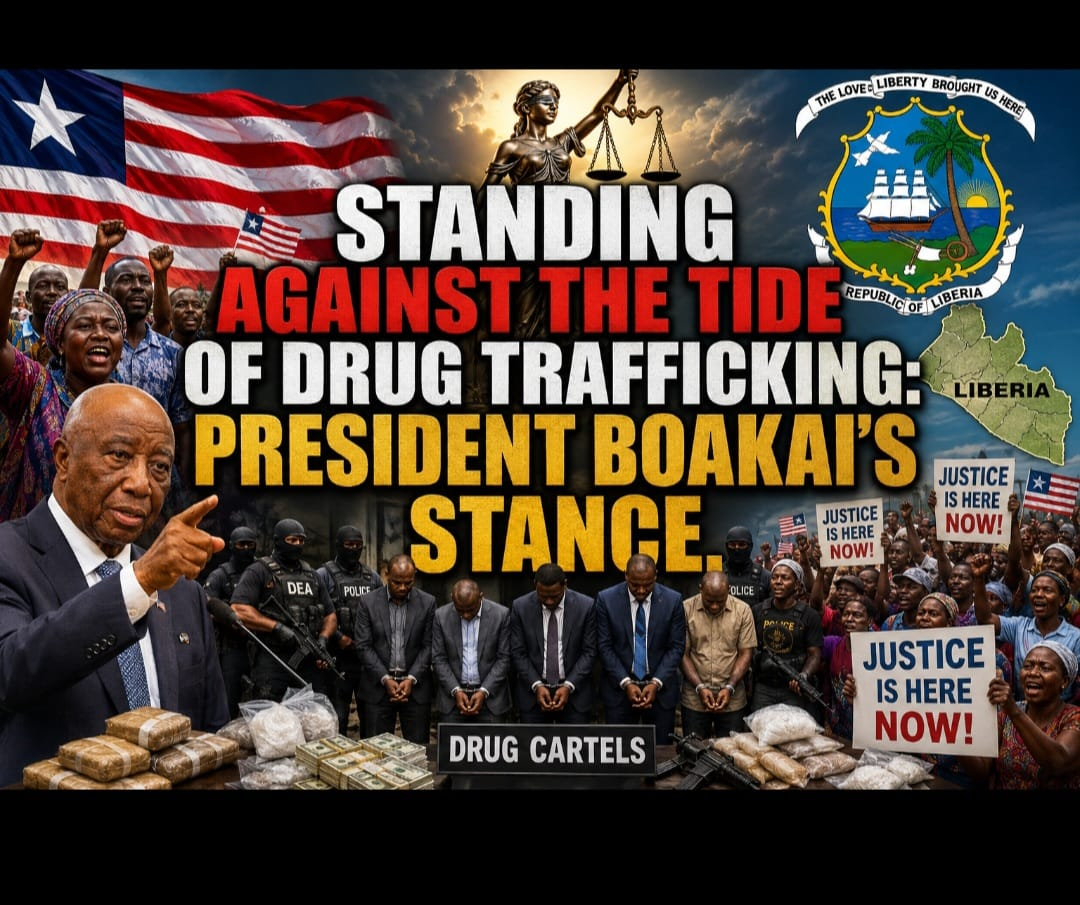
The recent crackdowns, arrests, and public destruction of narcotics show that the government is finally pushing back against these destructive forces. But stopping the flow isn’t just about burning cocaine; it’s about resetting the incentive structure around the drug trade. It's about cutting off the safety net for the "big hands" inside the system who use their offices to cover the costs of the moral hazard.
Until the personal costs of corruption outweigh the illegal profits, the cartel’s invisible hand will keep knocking on our door. Accountability needs to reach the very top.
Once again, we commend President Boakai for his recent actions. Still, he will need to do much more, and quickly, to shift both the “invincible hand” and “moral hazard” in Liberia’s drug fight, because the illegal drug trade often behaves like a waterbed: press down in one area, and the market pops up somewhere else. New empirical evidence from a study by Stanford University researchers shows that crackdowns changed trafficking routes and tactics, but didn't reduce cocaine supply, purity, prices, or moral hazards. Enforcement shifts the trade more than it shrinks it. But when those entrusted with that enforcement are compromised, winning the war becomes a wild goose chase.
A nation cannot wage a successful war on drugs when those responsible for guarding its borders and institutions are quietly facilitating traffickers. You cannot secure the gates if the gatekeepers are compromised. Genuine reform involves dismantling the safety nets that let corruption thrive. That’s why we believe there may still be senior individuals—both current and former—within the system who could be enabling the “moral hazard” in Liberia’s narcotic trade.
To my fellow citizens on all sides of the political divide, politics may be war by all means, but Liberia’s drug fight is no politics! This is a fight for the soul and future of our nation. And it is far from over!