By: Barclay Karnley
MONROVIA: Several Presidents of rural public universities across the Country have raised red flag concerning the growing salary disparity among public universities, generating growing dissatisfaction and disdain.
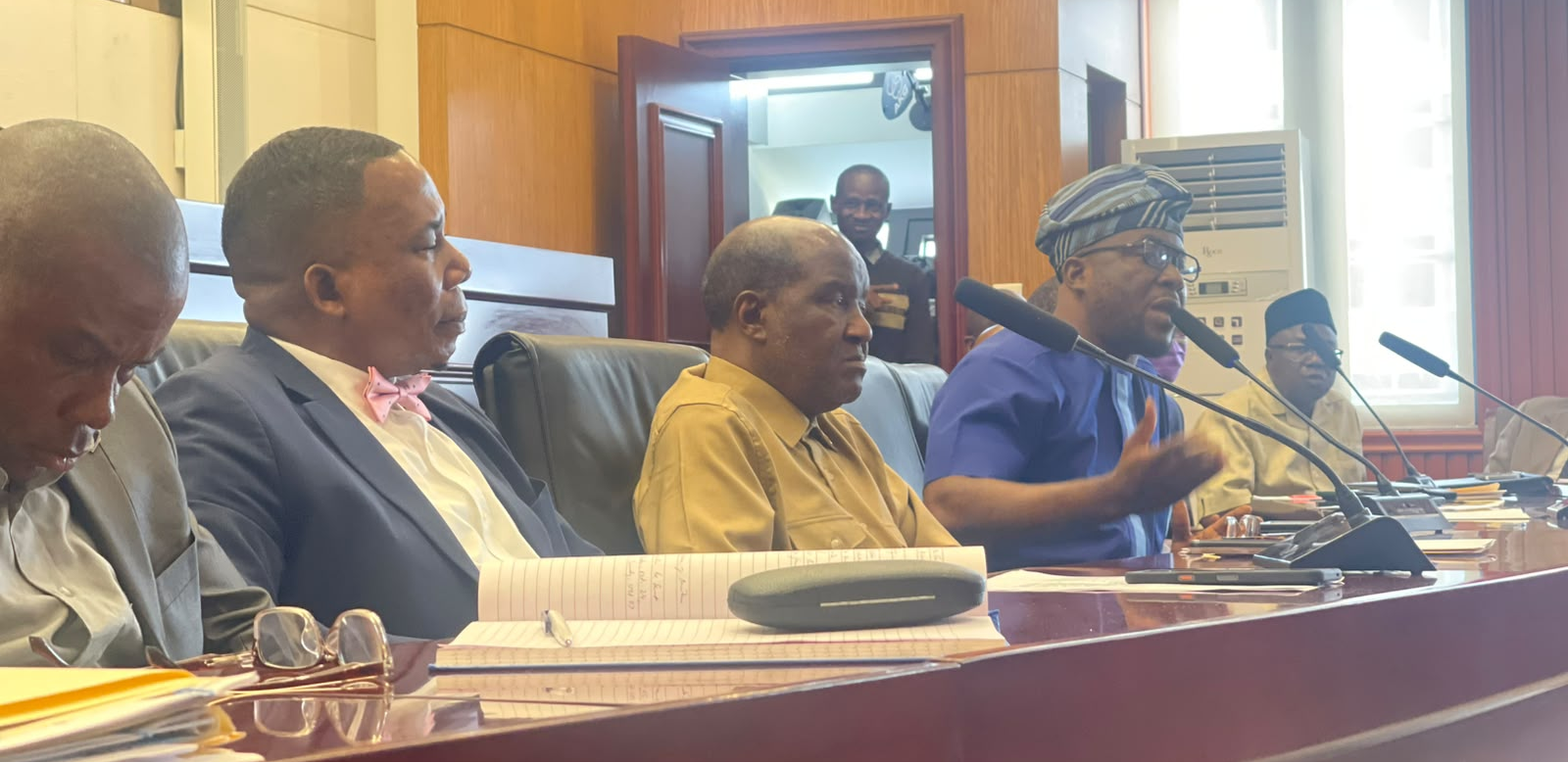
Appearing before the Senate Committee of the whole, scores of presidents of various universities call for urgent legislative intervention to promote equity, institutional stability, and inclusive national development.
Reading a formal statement, on behalf of the rural university presidents, Lofa County University President, Dr. Isaac P. Podah, stressed that the available salary statistics revealed substantial inequalities across Liberia public and regional higher education institutions.
In his statement, Dr. Podah disclosed that at the master's degree level, the Universities of Liberia pays US $1,850 compared to US $1,750 at Tubman University, US $1,200 at Sinoe University, US $800 at Nimba and Western Region Universities, US $750 at Lofa County University, US $650 at Bong County University, and US $500 at Margibi County University.
According to him, the salary at the University of Liberia is 3.7 times that of Margibi County University and 2.47 times that of Lofa County University.
He further indicated that at a bachelor's degree level, salaries range from US $900 at Tubman University to US $450 at Sano and Western Region Universities, with other institutions paying between US $500 and US $650.
“This disparity undermines morals, encourages the migration of qualified lecturers towards better paying institutions, weakens teaching and research, and makes it difficult for rural universities to retain experienced academics,” he indicated.
The Lofa University president also disclosed that the resulting shortage of qualified professionals compromises educational quality, widens regional inequalities, and limits the supply of skilled professionals needed in rural counties.
According to him, continued neglect also wreaks escalating institutional unrest, disrupting academic calendars, and diminishing public confidence in Liberia's higher education system.
He also stated that Rural universities are essential instruments of decentralization, social mobility, and balanced national development.
Dr. Podah informed senators that rural universities bring higher education closer to underserved populations, reduce the financial and geographical barriers facing rural institutions and students, develop county-based professional capacity, and support research into local challenges in agriculture, health, education, natural resources, and enterprise development.
“Prioritizing these institutions directly advances the government's arrest agenda for inclusive development by promoting equitable access to education, human capital development, regional economic growth, and opportunity for communities outside Monrovia. Investment in rural universities is therefore not a privilege for particular institutions,” he emphasized.
The University Presidents stressed that strengthening rural universities is a strategic national investment that reduces urban migrations, strengthens local economics, and ensures that development reaches every county.
In their statement, the presidents stressed equal commitment to academic staff welfare, research funding, insurance, and infrastructure which are indispensable to achieving these objectives.
“The Rural University Presidents unanimously recommends that the Senate should ask the Governments of Liberia to establish a transparent national salary and benefit framework for universities, introduce research allowances and academic performance incentives, provide life and medical insurance, and allocate dedicated funding for essential infrastructure,” the communication noted.
The Presidents also recommended that if fiscal constraints prevent immediate harmonization with the universities of Liberia, Tubman University's salary structure should serve as the interim benchmark for standardizing rural university salaries, subject to a funded implementation plan and periodic review.
Furthermore, the rural university presidents asked government to introduce a distant allowance for universities facing exceptional geographical disadvantages, specifically Lofa County University, Grand Gedeh Junior University, and Sinoe University.
At the same time, they urged government to compensate for the additional costs and challenges associated with their distance from the nation’s capital.
According to them, beyond the disparities in lecturers salaries at rural universities, there is also a significant inequality in the compensation structure of university administrators, particularly presidents and vice presidents.
“For instance, the government reportedly pays presidents of rural universities approximately 5,000 gross and vice presidents 3,000, while the presidents of Tubman University earn about 7,000, and the presidents of the universities of Liberia receive approximately 15,000.
This discrepancy raises a serious concern about equity, consistency, and fairness in the remunerations of university leaderships across Liberia's higher education sector,” he maintained.
The Presidents are also demanding transparency and a standardized compensation framework that takes into account institutional responsibility, qualifications, and prevailing economic realities, and perpetrating disparities based primarily on institutional location and status.
“The presidents of rural universities respectfully call upon the Honorable Senate to treat this matter as a national equity and development priority. We seek a fair, sustainable, and transparent system that protects academic staff welfare, strengthen rural institutions, and support the decentralization objectives of the Arrest Agenda that we all hope to achieve,” they added
“Our collective position is that no university should be disadvantaged because of their geographical location. Equity with investment in rural universities is an investment in the futures of Liberia,” they concluded.
Rural Universities advocating for salary increment include; Lofa University, Bong County University, Western Region University, Grand Gedeh County University, Nimba County University, Sinoe County University, Grand Bassa County University and Margibi County University.
The Plenary of the Liberian Senate has taken possession of the matter with a commitment to address some of the issues raised by the rural university presidents in the coming budget year.

Towards Economic Empowerment And Reconciliation